
Last updated November 16, 2026
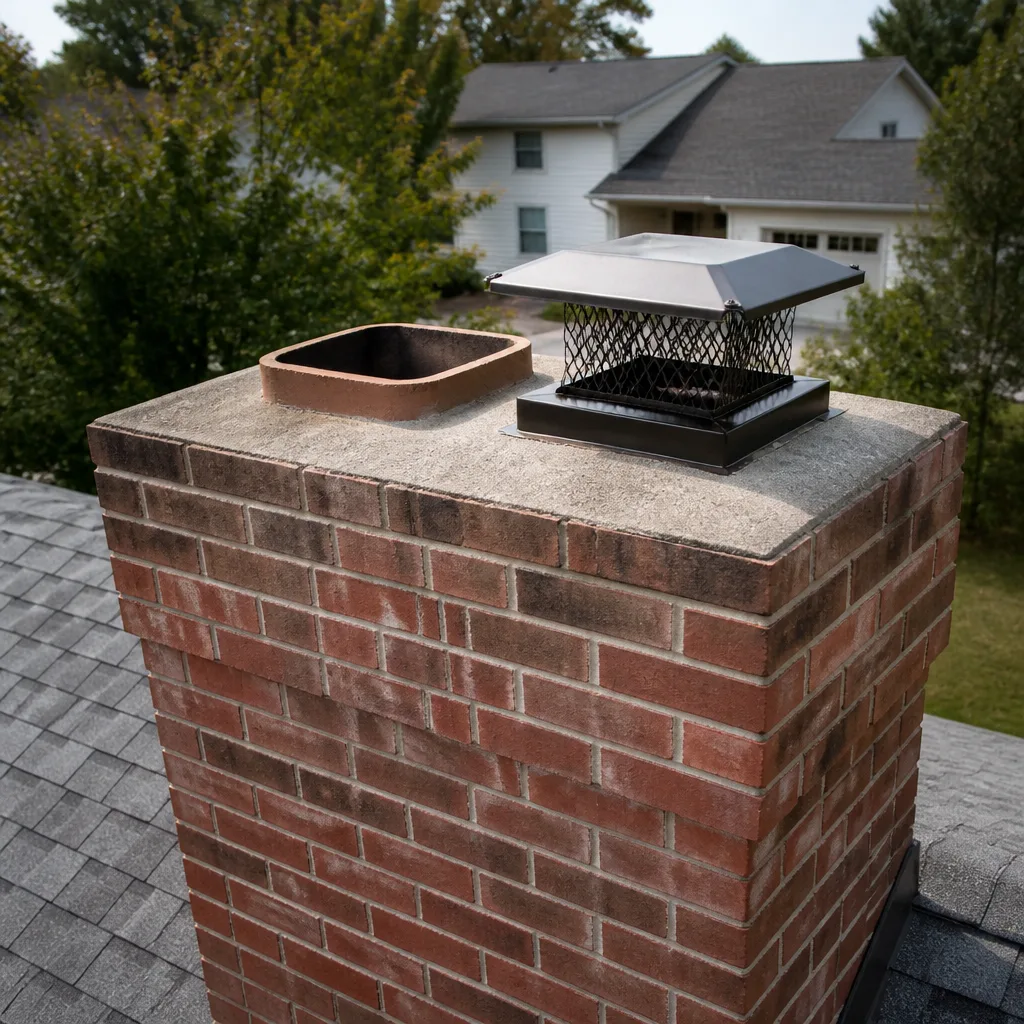 Sweep & inspection
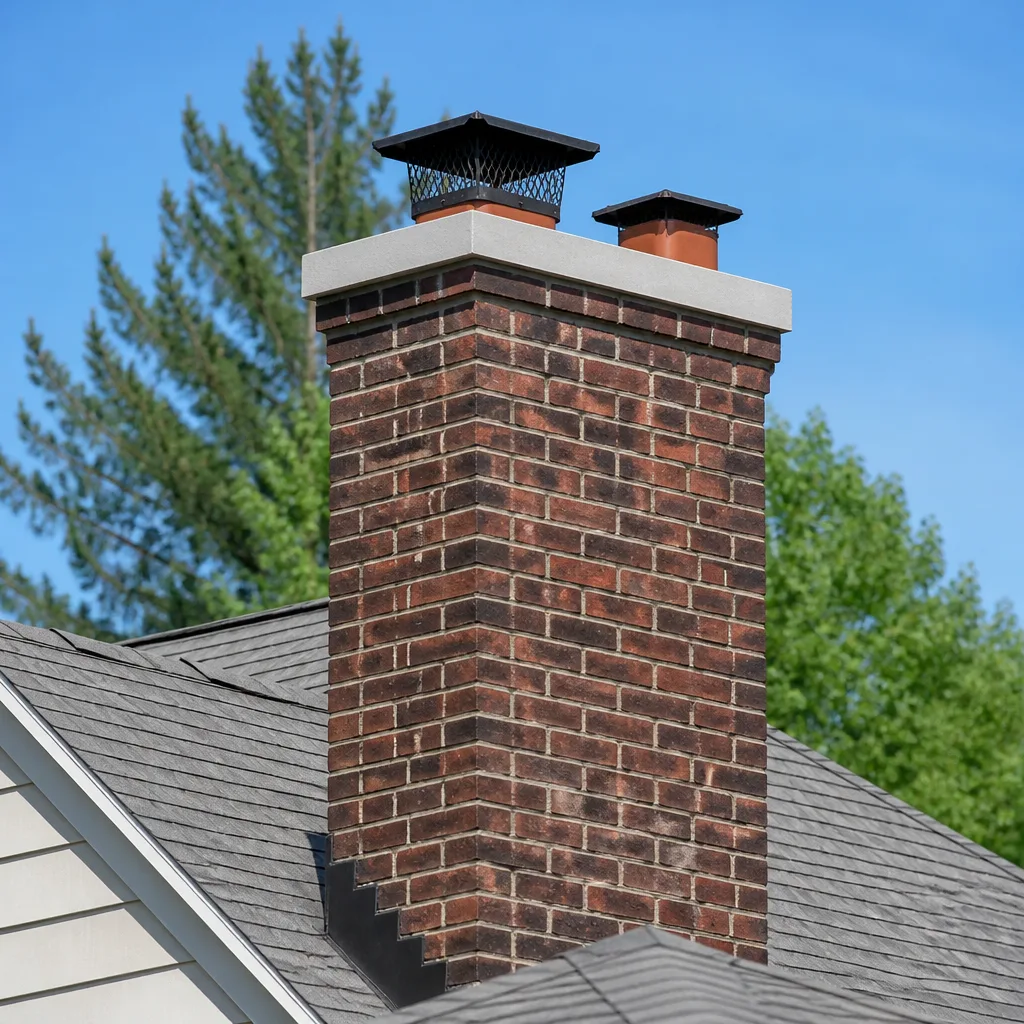 Caps & crowns
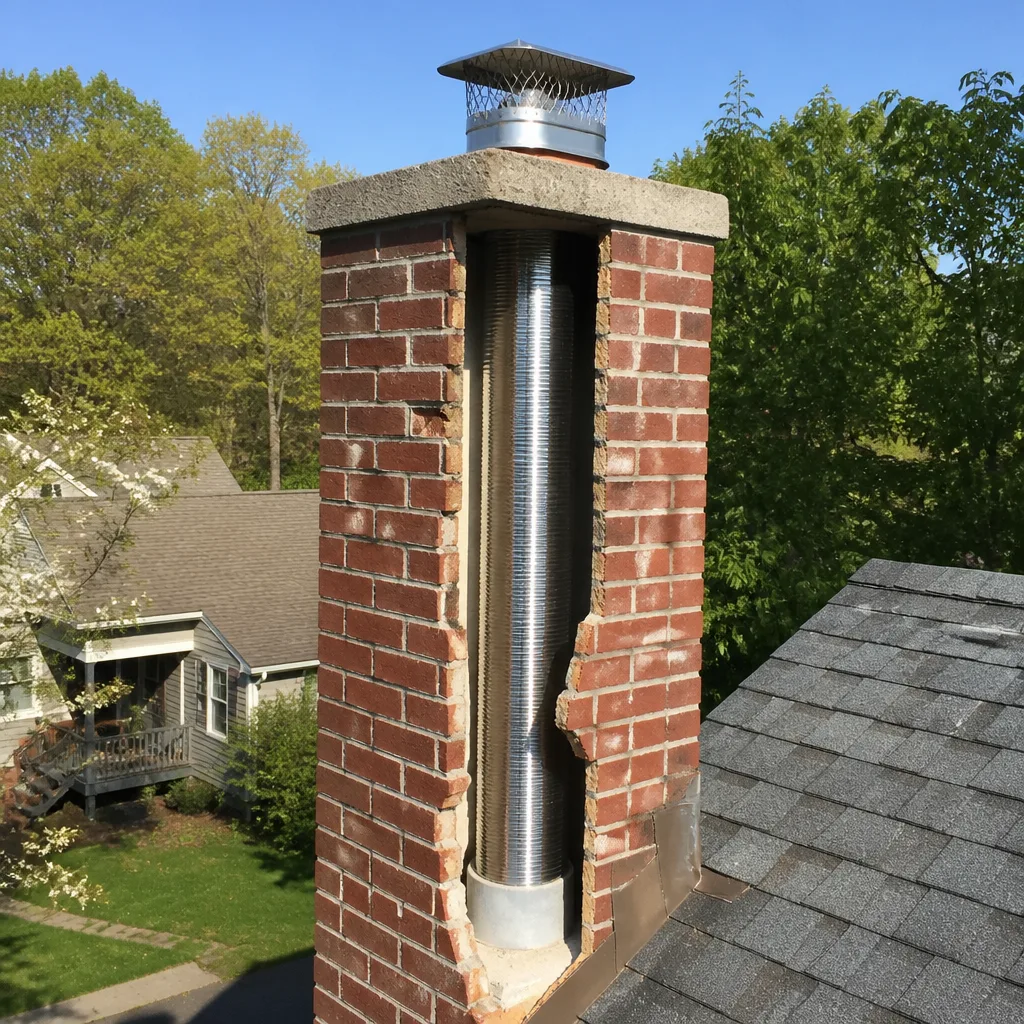 Flue relining
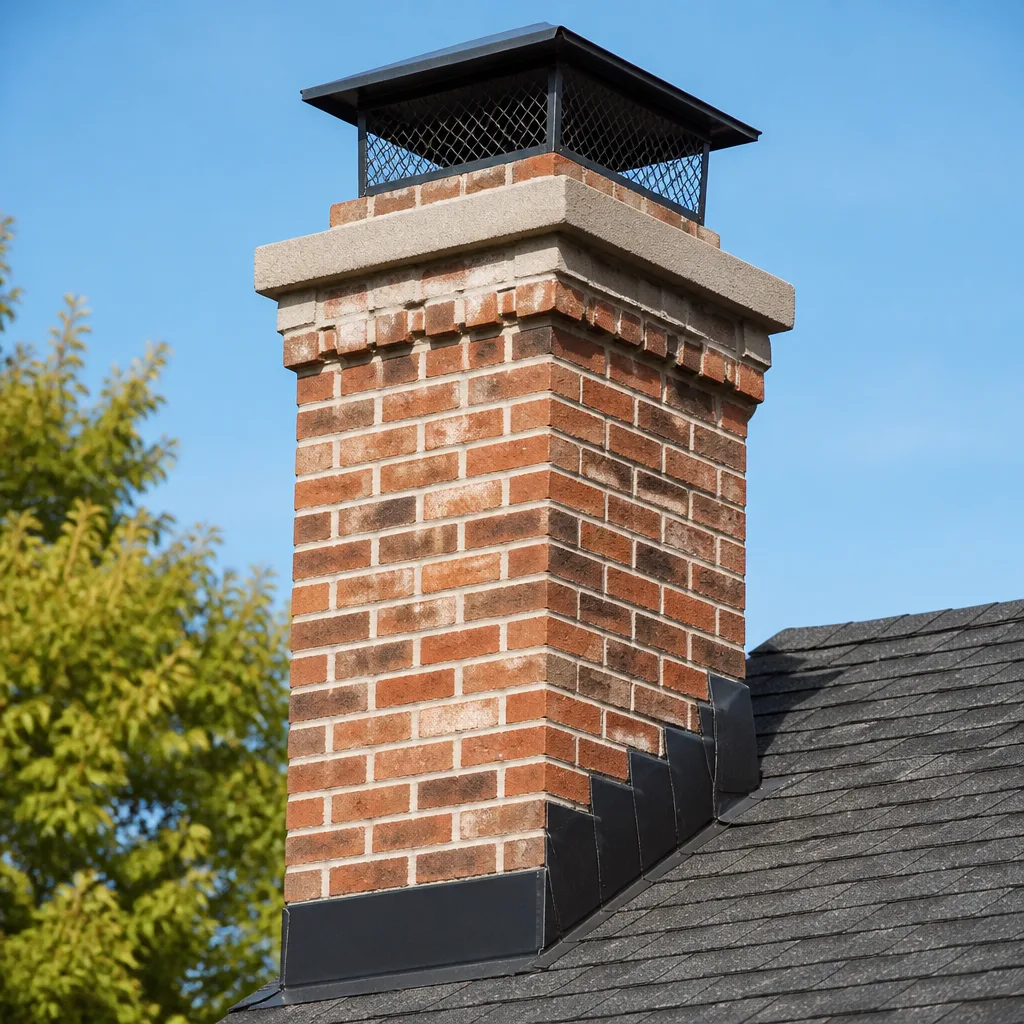 Masonry repair
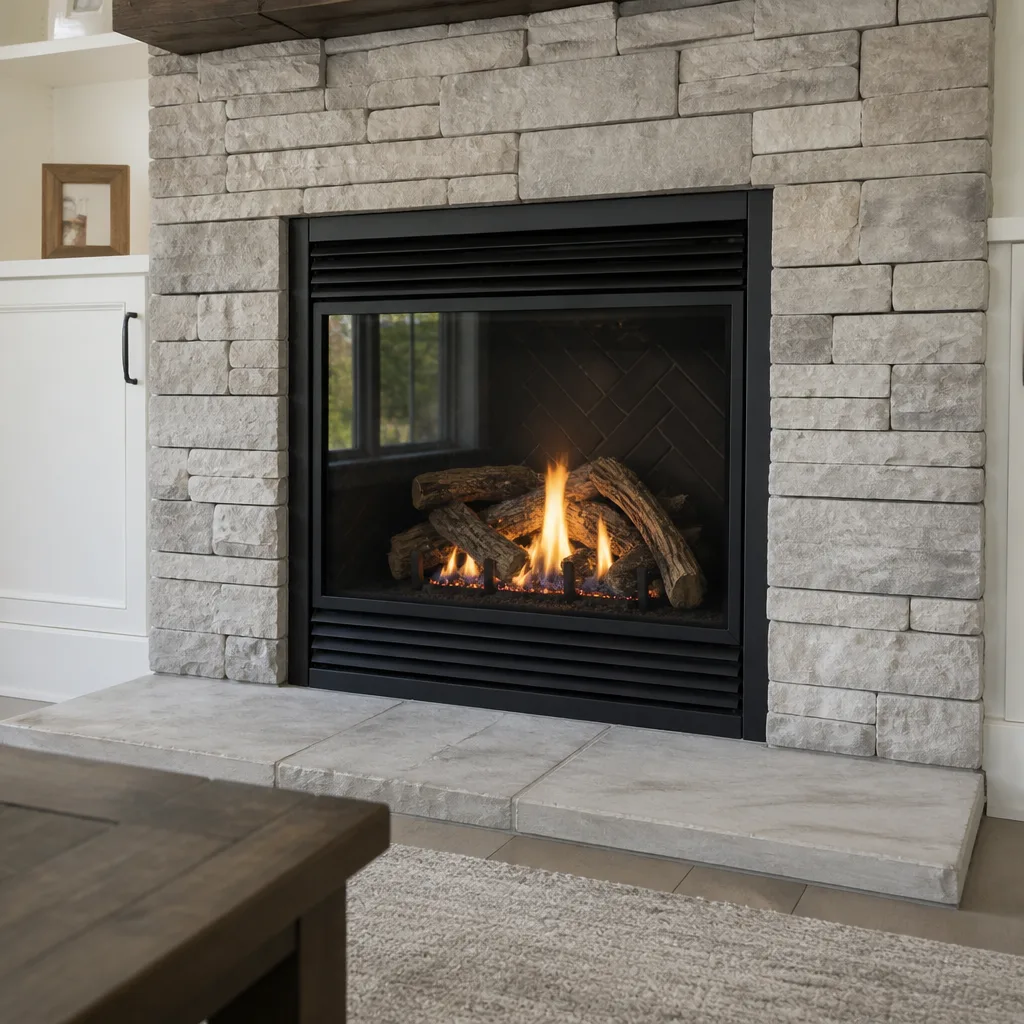 Gas fireplace service
Level 1 sweep and inspection to the NFPA 211 annual standard - flue, crown, cap, and flashing checked and photographed
Chimney sweep logs do not sweep chimneys. They loosen some creosote - which then falls where a brush and vacuum still have to collect it.
The Complete Guide to Chimney Cleaning in Brownsville
Most chimney guides are written for homeowners in cold climates who burn wood six months a year. Brownsville homeowners burn far less, which sounds like an advantage until you learn that infrequent, low-temperature fires are one of the fastest ways to build dangerous creosote. A chimney that sees three fires a season can end up in worse shape than one that runs constantly through a Vermont winter. Add the humidity that hangs over the Rio Grande Valley most of the year, and “clean” starts to mean something different here than it does up north. This guide covers how the subtropical climate shapes creosote, moisture, pest intrusion, and cleaning schedules, and how to match maintenance to how you actually use your fireplace.
Quick Answer
Chimney cleaning in Brownsville isn’t just about sweeping out ash. It’s about removing creosote that builds fast in low-use fireplaces, stopping moisture from working its way into masonry and flue tile in a humid climate, and clearing blockages from birds, insects, and palm debris that find their way into open flues even when no one is burning wood. A proper visit includes a sweep, a full inspection, and a check of the cap, crown, and liner, because in South Texas the threats to a chimney come from weather and wildlife as much as from fire.
Styles & brands we work with
- Sweep & inspection
- Caps & crowns
- Flue relining
- Masonry repair
- Gas fireplace service
Table of Contents
- Why Chimney Care in Brownsville Is Different
- How Low-Use Fireplaces Build Creosote Faster Than You’d Expect
- Humidity, Moisture Intrusion, and Masonry Deterioration
- Birds, Insects, and Palm Debris: Blocked Flues Without Fire
- What a Chimney Cleaning in Brownsville Should Include
- How Often Should You Schedule a Cleaning?
- Inspection, Liner Checks, and What the Camera Shows
- How to Prepare for Your Appointment
Why Chimney Care in Brownsville Is Different
Brownsville sits in a subtropical climate where winters are mild and the air stays humid most of the year. That combination changes the maintenance picture for a chimney in ways a Northern-focused guide will never mention. The house itself is usually built for cooling, not heating, which means fireplaces here tend to be decorative, gas-fired, or used a handful of times on the rare chilly evening. That low use isn’t the safety advantage it looks like.
Creosote forms when wood smoke cools before it leaves the flue. In a cold climate, a roaring fire pushes hot smoke up and out efficiently. In Brownsville, a small fire on a mild evening produces smoke that cools quickly against flue walls that never really warm up. That cooled smoke condenses into creosote. Over several seasons of light burning, the deposit can thicken into the glazed, tar-like stage that’s hardest to remove and most likely to ignite. Meanwhile, the humidity in the air around Brownsville works on the masonry from the outside, pushing moisture into brick, mortar, and flue tile whenever the chimney lacks a proper cap or a sound crown.
So two things happen at once: a slow accumulation of creosote inside the flue and a slow breakdown of the chimney’s weatherproofing outside. Both are easy to ignore because neither announces itself. That’s exactly why a Brownsville chimney needs a scheduled look rather than an emergency call. Our technicians have up to 14 years of experience, and the pattern of a low-use chimney with a heavy deposit and a moisture-weakened crown is one of the most common we see in this part of Texas.
How Low-Use Fireplaces Build Creosote Faster Than You’d Expect
Most homeowners assume creosote is a function of how much wood they burn. The real driver is how the wood burns. Creosote forms when smoke doesn’t fully combust and the vapor condenses on a cool flue surface. Three conditions stack the odds against you in a mild climate:
- Small, smoldering fires. A quick fire to take the evening chill off doesn’t reach the temperatures that burn off creosote. It deposits it instead.
- Cold flue walls. A chimney that hasn’t been used much stays cool, and cool walls condense smoke rather than letting it rise clean.
- Green or unseasoned wood. Wood with high moisture content has to boil off water before it burns, which cools the fire and produces more smoke.
In cold-climate homes that burn daily, the fire runs hot and often, so some of the deposit burns off between uses. In Brownsville, the fire rarely runs long enough to do that self-cleaning. The result is that a fireplace used a dozen times a season can develop a stage-2 creosote deposit that would take a Northern fireplace much longer to build. Stage 3 turns into a glazed, hard crust that a standard brush can’t touch. Anyone who tells you a low-use chimney doesn’t need sweeping has never scraped a glazed flue in a subtropical house.
The three stages of creosote
- Stage 1: Soot and flaky deposit. A thin, dusty layer. A standard sweep removes it easily. This is what a routine cleaning handles.
- Stage 2: Crumbly black deposit. Thicker, with a harder texture. Brushing still removes most of it, but it signals the flue has been condensing smoke for a while.
- Stage 3: Glazed, tar-like crust. Hard, shiny, and fuel-rich. It ignites easily and needs mechanical removal, sometimes with specialty tools. Reaching this stage is the reason cleaning frequency should match your actual burn pattern, not a calendar.
Humidity, Moisture Intrusion, and Masonry Deterioration
Humidity is the quiet problem in a Brownsville chimney. Even a chimney that rarely sees fire is exposed to moist air year-round, and moisture finds its way in through open flues, cracked crowns, damaged mortar, and missing caps. Once water gets into brick or flue tile, it doesn’t leave quickly in this climate. It cycles with the seasons, softening mortar, spalling brick faces, and degrading the joints that hold the flue together.
Moisture damage shows up in ways that look like something else. A white, chalky stain on the brick exterior is efflorescence, salt pushed out as water moves through the masonry. Crumbling mortar joints, a cracked crown, or a brick face flaking off at the edge all point to water that has been getting in for a while. Inside the house, a damp smell near the firebox or a stain on the ceiling near the chimney chase tells a similar story. None of this is unusual in Brownsville, and none of it stays small on its own.
The weatherproofing trio: cap, crown, and chase cover
A chimney survives a humid climate by keeping water out rather than by drying out after the fact. The three parts that matter most:
- The cap. A proper chimney cap keeps rain out of the flue and shuts out birds and debris while letting smoke and gases escape. Caps built for the job come from chimney-specific makers like Gelco or Famco, and they fit the flue rather than sitting loosely on top of the crown.
- The crown. The concrete slope at the top of the chimney sheds water away from the flue. A cracked or flat crown holds water and sends it straight down into the masonry. Repairs here are often straightforward when caught early.
- The chase cover. On a framed chimney chase, the metal top carries the same weatherproofing job as a masonry crown. A rusty or badly fitted cover lets water in along the chase walls.
Moisture problems and creosote problems get solved together because they share a cause: a chimney that isn’t sealed and maintained against the climate it lives in. That’s the point where a cleaning visit turns up a repair need before it turns into a rebuild.
Birds, Insects, and Palm Debris: Blocked Flues Without Fire
An open flue in South Texas is an invitation. Birds nest in unprotected chimneys, insects move in, and wind-blown palm debris and leaf litter find their way in through an uncapped flue. This happens to chimneys that have never had a fire in them. A gas fireplace that vents through the chimney still needs a clear flue, and a wood-burning fireplace that sits unused for most of the year gives wildlife plenty of time to settle in.
A blocked flue is a safety problem even when nothing is burning. Gas appliances vent combustion byproducts up the flue, and a nest or a pile of debris can stop that exhaust from leaving the house. That’s a carbon monoxide concern, and it’s the reason carbon monoxide is worth thinking about alongside chimney fires. It’s also the reason a chimney cap matters so much here. Screening the flue opening with a quality cap shuts out birds, insects, and debris without blocking the exhaust.
What a sweep finds in a Brownsville chimney isn’t always creosote. Dropped debris, a nest, or a mature blockage can be the first thing a technician pulls out. When that happens, the cleaning visit is doubling as a pest exclusion problem, and a properly fitted cap from a chimney trade manufacturer is the fix that keeps it from repeating. If you’ve had birds in the chimney or heard scratching in the flue, that’s a call for a professional look rather than an attempt to clear it from below or the roof.
What a Chimney Cleaning in Brownsville Should Include
A chimney sweep and a professional cleaning appointment aren’t quite the same thing. A full cleaning in this climate covers a lot beyond the flue interior. A proper chimney sweep visit should include the following:
- A full interior sweep. Brushing the flue clear of soot and creosote using the right tools for the deposit stage, with drop cloths and a sealed work area to keep the house clean.
- Cap inspection. Checking that the cap is present, the screen is intact, and the fit is secure. This is the first line of defense against moisture and pests in Brownsville.
- Liner moisture check. Looking for signs of water in the flue tile, cracked joints, or a liner that has lost integrity. A damaged liner lets heat and gases reach the structure around the chimney.
- Crown and chase cover assessment. Checking the top for cracks, spalling, or a cover that has rusted or pulled loose. Small crown repairs are far cheaper than masonry rebuilds.
- Firebox and damper inspection. Confirming the firebox is sound and the damper opens and closes fully.
- A report on what was found. A cleaning should end with a clear picture of the chimney’s condition, what was removed, and what, if anything, needs repair.
What a Northern-focused guide won’t mention is the moisture and pest steps. In cold climates, the roof and the snow season do most of the moisture work. In Brownsville, the chimney has to keep water and wildlife out all year, so the cap, crown, and liner checks aren’t optional extras. They’re the parts of the visit that protect the chimney on the days it never sees fire. When repairs come out of the inspection, quality work uses trade-grade materials like DuraFlex flexible liner systems or HeatShield ceramic resurfacing, which are made for flues rather than adapted from general construction products.
How Often Should You Schedule a Chimney Cleaning?
The generic advice is once a year, and for a heavily used fireplace in a cold climate that’s reasonable. For Brownsville, once a year is a starting point rather than a rule. The right frequency depends on how you burn, what you burn, and how long the chimney sits idle. A cleaning once a year makes sense for most homes. Match the schedule to your actual use:
- Occasional wood burning (a handful of fires a season). An annual inspection is still worth it because low-temperature burning builds creosote unevenly. Clean when the deposit reaches about an eighth of an inch, which a technician can measure during the inspection.
- Regular cold-season use on cooler nights. A sweep at the start of the burning season and an inspection partway through keeps a glazed deposit from forming unnoticed.
- A gas fireplace or appliance venting through the flue. Less creosote, but the flue still needs a check for blockages, moisture, and a cap that has failed.
- A fireplace you haven’t used in more than a year. Treat it as unknown until inspected. Pests, debris, and moisture damage build up in unused chimneys.
- After any chimney fire or a strong storm. Get the chimney inspected before lighting another fire.
A good rule of thumb for this climate: don’t measure the calendar, measure the deposit and the weatherproofing. If you’re not sure where yours stands, an inspection tells you. Annual cleaning is cheap compared with the chimney repair that comes from leaving a moisture-damaged crown or a cracked liner to worsen for a few seasons. For a fuller look at scheduling, see our guide on how often to schedule Parkway Chimney Sweep service.
Inspection, Liner Checks, and What the Camera Shows
A chimney inspection is the part of the visit that tells you what you can’t see from the living room. Modern inspections use a camera to look at the interior of the flue from end to end, and that footage matters. If someone recommends a liner replacement or masonry work, ask to see the footage showing the actual problem. The camera tells you which repair needs are real and which can wait without putting the house at risk. Our approach is to recommend nothing you can’t verify on screen with us.
The inspection also covers the parts of the chimney that fail quietly in a humid climate: the tile joints, the mortar at the top, the crown, the cap, and the firebox. In our experience, the most common findings in a Brownsville chimney are a failed or missing cap, a cracked crown, and a flue with a heavier-than-expected deposit for the amount of wood the household burns. When repair is needed, it’s carried out with professional-grade products from chimney trade brands, from DuraFlex liner systems to HeatShield ceramic resurfacing when flue tiles need restoring rather than demolishing. Trade-grade materials matter because they’re engineered for thermal cycling and flue performance, and they hold up in a climate that’s hard on general construction materials.
If nothing needs fixing, we say so. A cleaning visit that ends with a clear report and no repair recommendation is a good outcome, not a wasted one.
How to Prepare for Your Appointment
A chimney cleaning doesn’t require much preparation, but a few steps make the visit smoother and keep the house clean:
- Clear the hearth and the area around the fireplace. Give the technician room to set up drop cloths and work tools.
- Don’t light a fire that day. Let the firebox cool completely before the appointment.
- Know your burn history. Roughly how many fires last season, what you burn, and whether the fireplace is wood or gas. That helps the technician read what the flue shows.
- Have a clear path to the roof or the chimney access point. Some inspections need to look at the top of the chimney for the cap and crown.
- Ask questions during the visit. If a repair is recommended, ask to see the camera footage and understand what can wait and why.
If you’re scheduling around the burning season, book a cleaning before you start using the fireplace rather than after. We answer 24/7 at (877) 729-8794, and the estimate is free. Fast dispatch from 7am to 7pm, Sunday through Friday. Call ahead and we’ll book you into the next opening for the appointment that fits your schedule.
Common Mistakes to Avoid
- Assuming a low-use chimney doesn’t need sweeping. Small, infrequent fires in a cool flue deposit creosote faster per burn than a hot Northern fireplace. Skipping cleaning based on fire count rather than deposit thickness is a risk.
- Going without a chimney cap in a humid climate. An open flue lets in rain, birds, insects, and palm debris all year. A properly fitted cap from a chimney-specific maker is one of the cheapest protections available.
- Burning unseasoned or wet wood. Green wood has to boil off its moisture before it burns, which cools the fire and produces more smoke and creosote. Buy dry wood and store it covered.
- Ignoring a cracked crown or spalling brick. Small moisture repairs caught early are far cheaper than a masonry rebuild later. That white efflorescence staining on the exterior is a signal to get it checked.
- Letting a general contractor handle chimney work. Chimney repair uses parts made for flues, not general construction materials. Make sure whoever touches your chimney works in this trade.
- Clearing a bird’s nest or blockage yourself. Trying to remove a blockage from the roof or the firebox risks a fall or a flue full of soot and debris falling into the room. A trained technician has the right tools and the right approach.
- Recommending a repair without showing the evidence. If a company says the liner or masonry must be replaced, they should show you the camera footage backing it up. A recommendation you can’t verify isn’t one to act on.
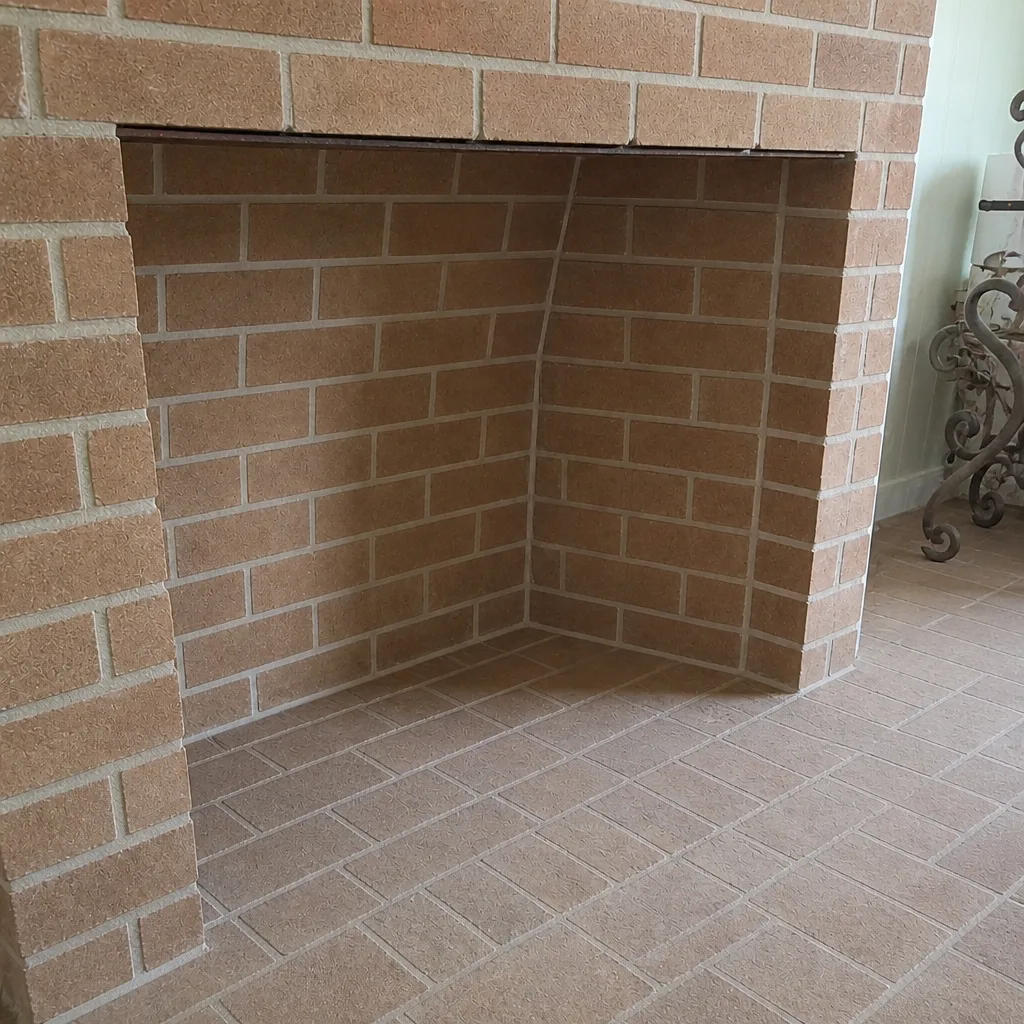
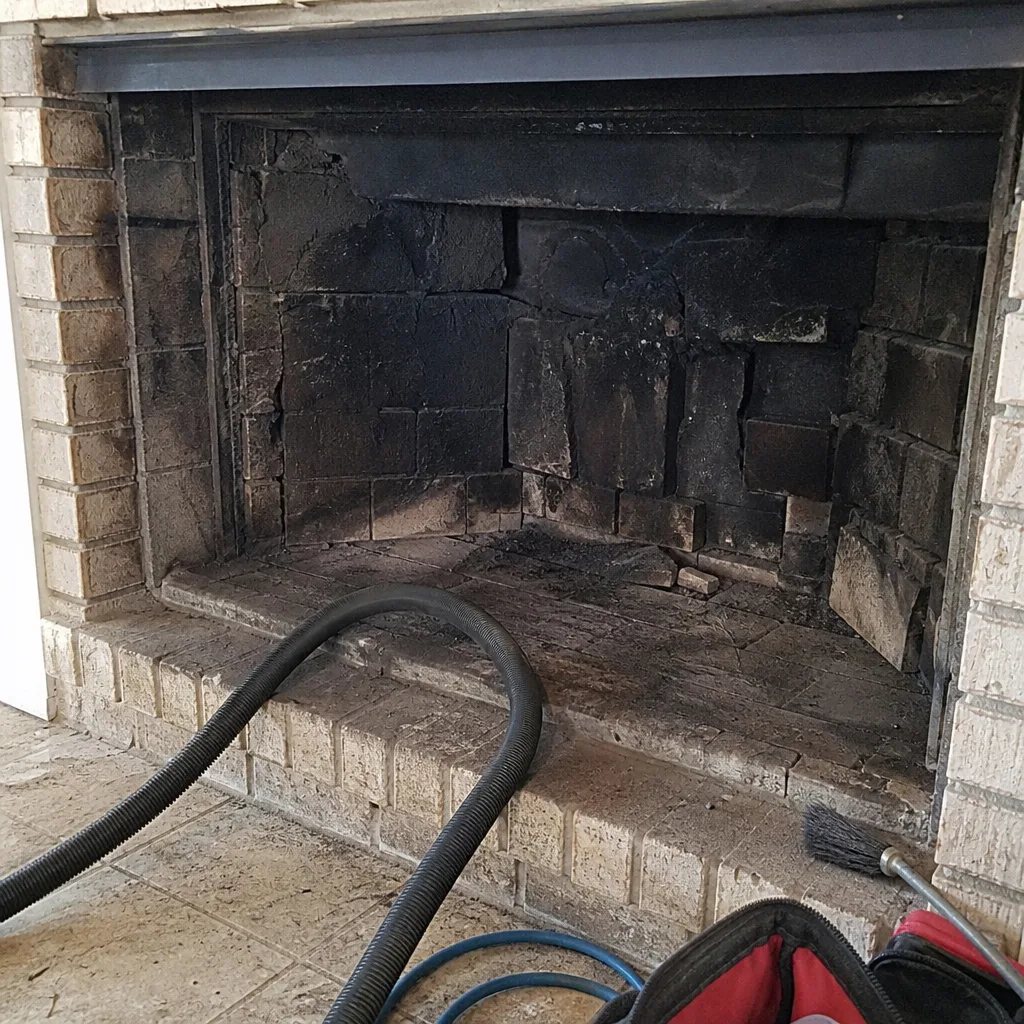
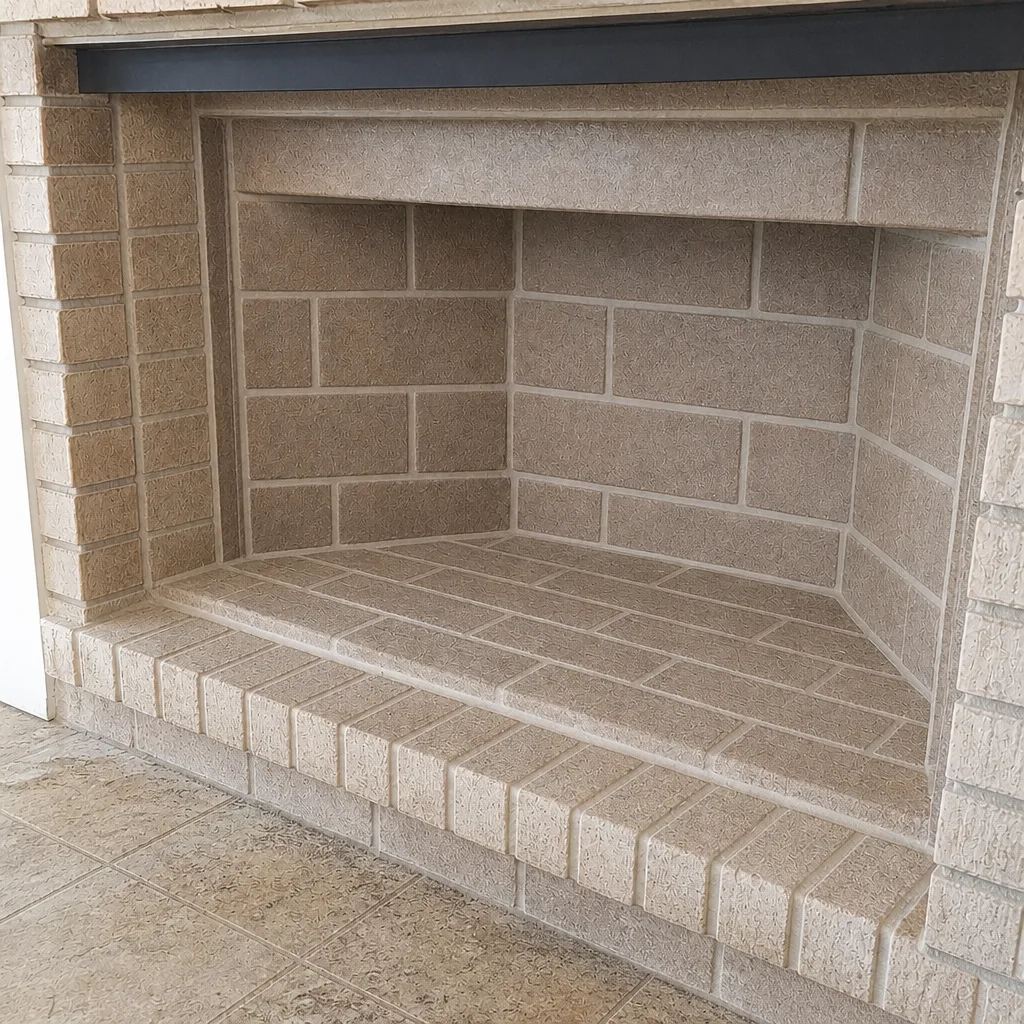
See the difference
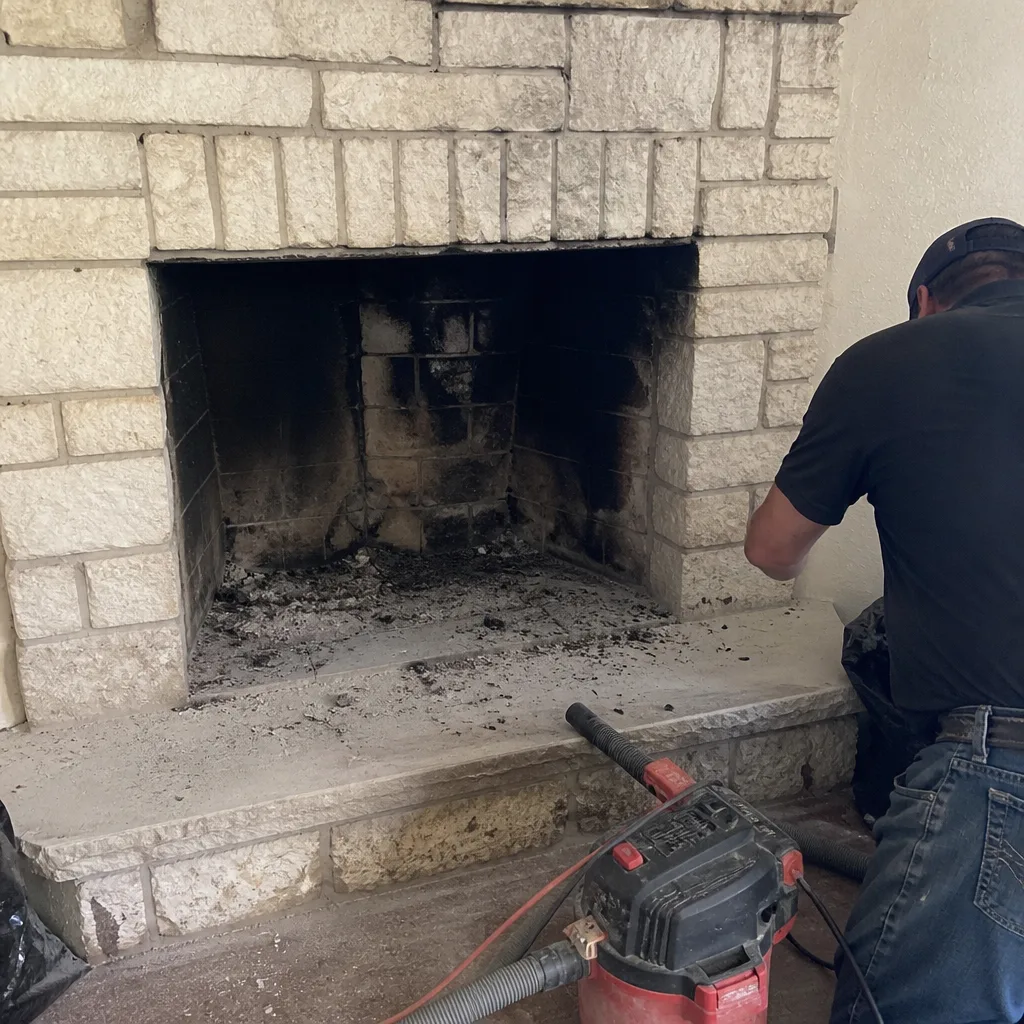 Before
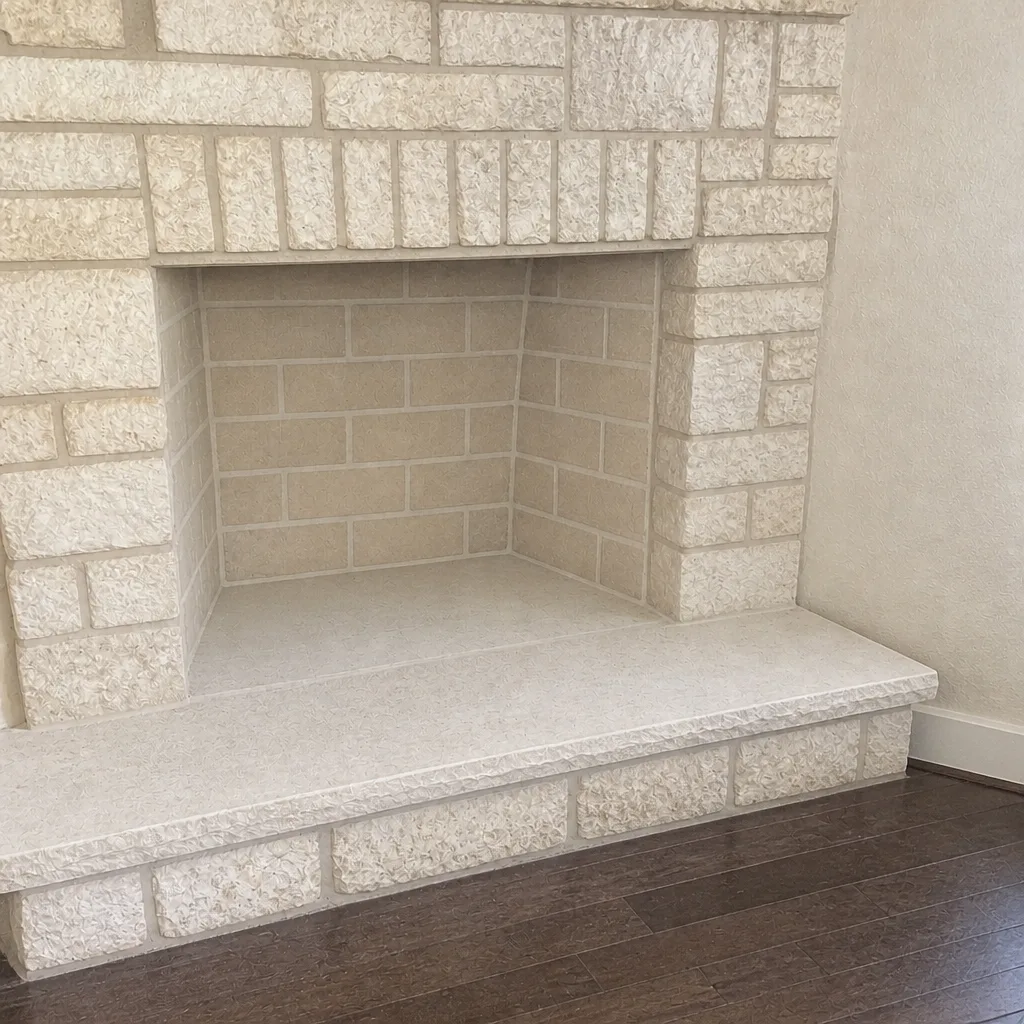 After
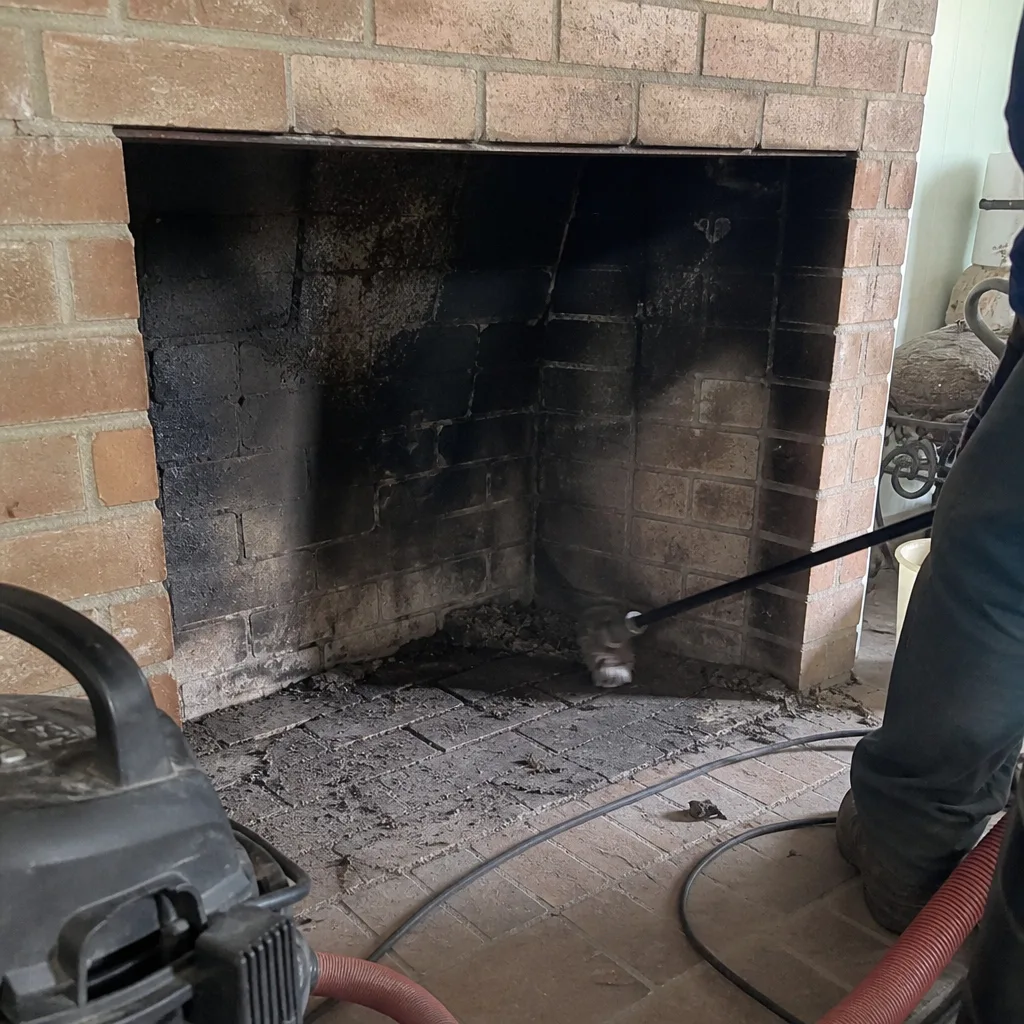 Before
 After
 Before
 After
When to Call a Professional
Call for a professional look if you’ve had a chimney fire, if you smell a smoky or damp odor from the fireplace that doesn’t clear, if you hear birds or scratching in the flue, or if you see cracked brickwork, a rusted or missing cap, or white staining on the chimney exterior. Call before using a fireplace that has sat idle for more than a year, since pests and moisture damage build without notice. And call if a sweep recommends thousands of dollars in repairs without showing you the camera footage behind it. Parkway Chimney Sweep offers free estimates in Brownsville. Call (877) 729-8794. We answer 24/7, and the written estimate sets the final price.
Frequently Asked Questions
A chimney cleaning in Brownsville is priced per job, and an inspection is typically part of the visit rather than an add-on. The exact cost depends on the deposit level, the flue type, and whether repairs turn up. The written estimate sets the final price before any work begins, and the estimate itself is free. Call (877) 729-8794 for an exact quote.
Once a year for most homes, but the deposit and the weatherproofing matter more than the calendar in Brownsville. A low-use fireplace with slow, cool fires can build a heavy creosote deposit in a season. Check the deposit during a cleaning and watch the cap and crown for moisture problems rather than assuming a light-use year means no maintenance. Call (877) 729-8794 to book an inspection.
Only if the liner is actually damaged, and the camera footage should show it before anyone recommends it. A cracked or deteriorated flue tile can let heat and gases reach the structure around the chimney, which is a genuine safety concern. A sound liner needs nothing. Ask to see the interior footage and understand what can safely wait. Call (877) 729-8794 for an inspection and a clear answer.
Creosote builds up and, in its glazed stage, can ignite into a chimney fire. A blocked or damaged flue can also stop exhaust from venting, which is a carbon monoxide concern for any gas appliance on the chimney. In a humid climate, skipped maintenance lets moisture and pests into the chimney, setting up masonry damage that’s expensive later. Call (877) 729-8794 to get ahead of it.
Yes, but the work is a little different. A gas fireplace produces far less creosote, but the flue still needs a check for blockages, moisture, and a failed cap, and gas appliances need a clear flue for carbon monoxide to vent safely. A yearly inspection covers it. Call (877) 729-8794 to schedule.
Yes. An uncapped flue in South Texas attracts birds and insects, and wind-blown palm and leaf debris find their way in. A blocked flue can stop combustion gases from venting, so this is a safety issue as well as a nuisance. A properly fitted cap from a chimney trade maker is the long-term fix. Call (877) 729-8794 to have the flue checked and capped.
The Bottom Line
Chimney cleaning in Brownsville is a maintenance question shaped by the Gulf Coast climate, not a transplanted Northern routine. Low-use fireplaces in mild weather build creosote fast because their fires run cool, while year-round humidity pushes moisture into masonry and invites birds and debris into unprotected flues. A proper cleaning in Brownsville covers the sweep, a full inspection, and the checks that protect the chimney from weather and wildlife: the cap, the crown, and the liner. Match your cleaning schedule to how you actually burn, not to a generic annual rule. If you have questions or want a look at your chimney, we’re glad to help.
Call (877) 729-8794 for a free estimate. We answer 24/7. Fast dispatch from 7am to 7pm, Sunday through Friday.
Written by the team at Parkway Chimney Sweep.