
Last updated November 16, 2026
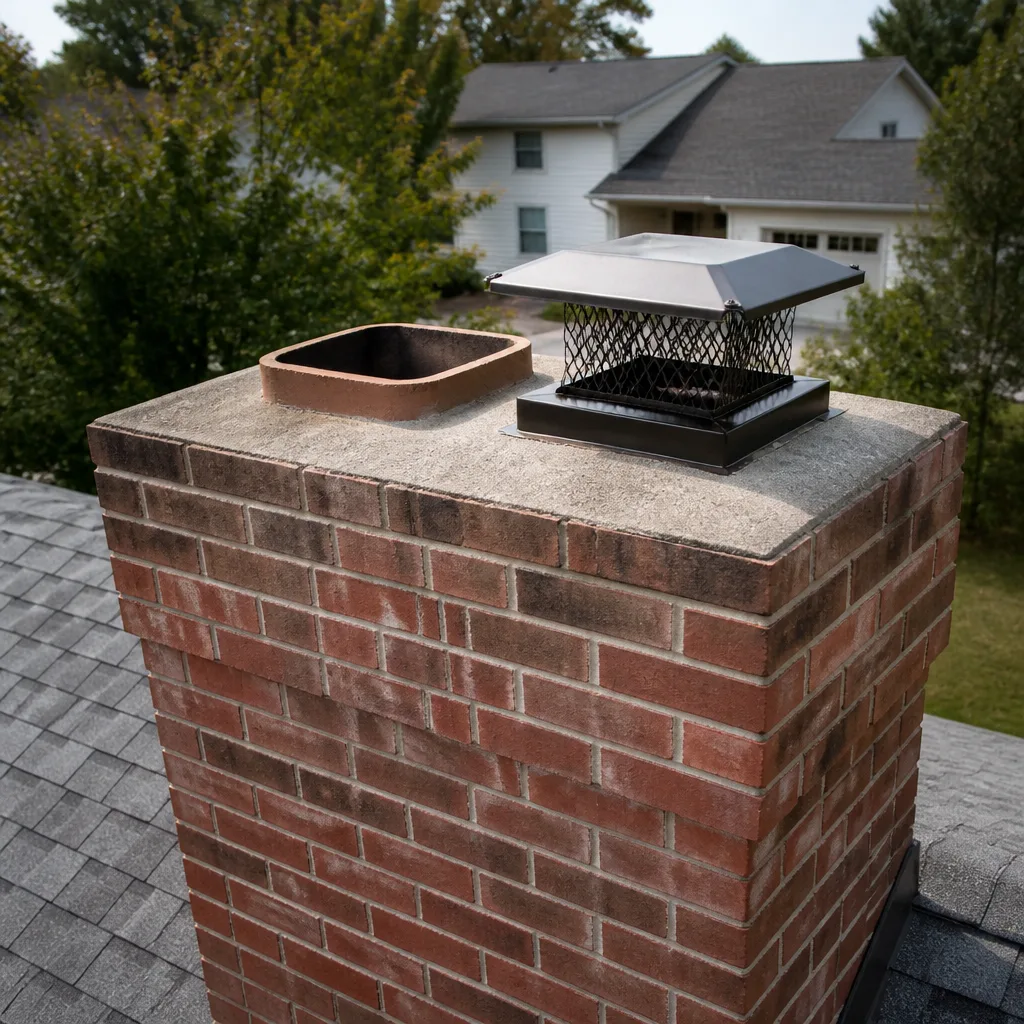 Sweep & inspection
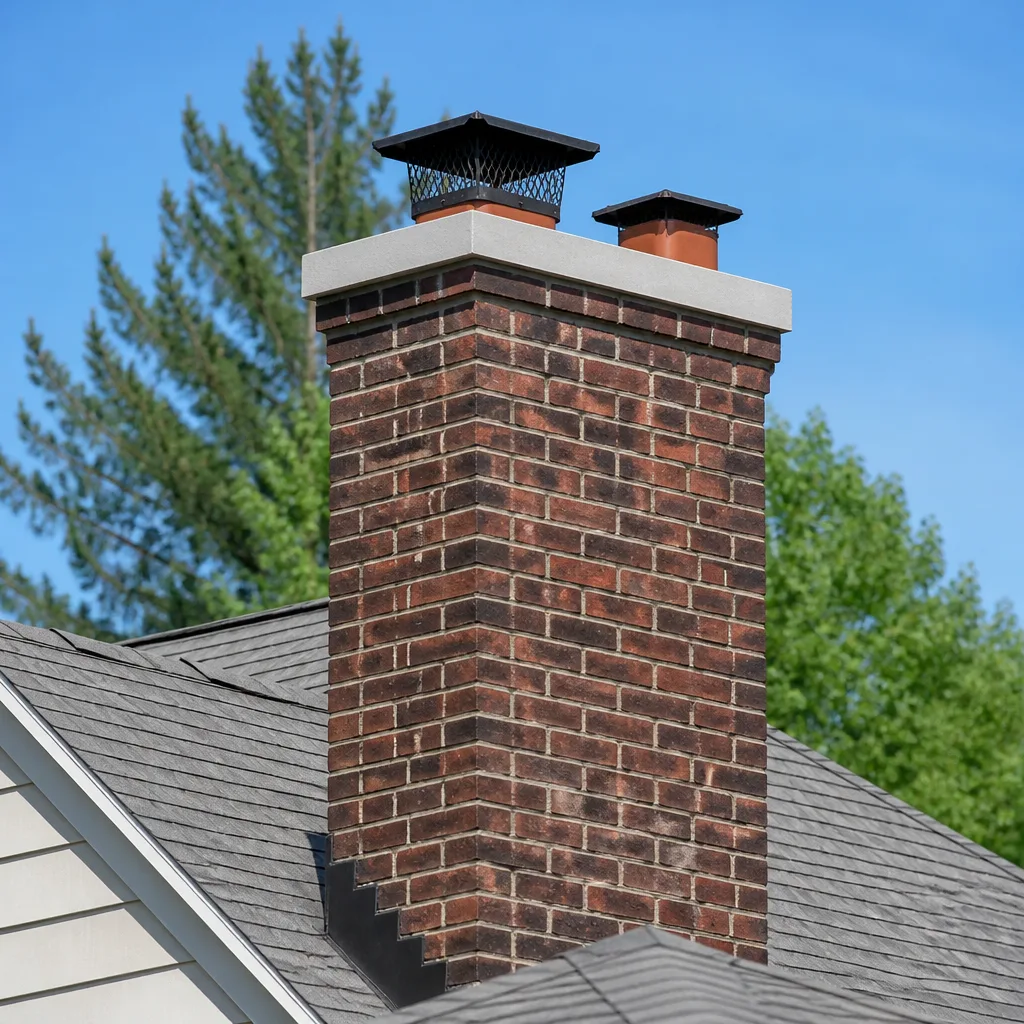 Caps & crowns
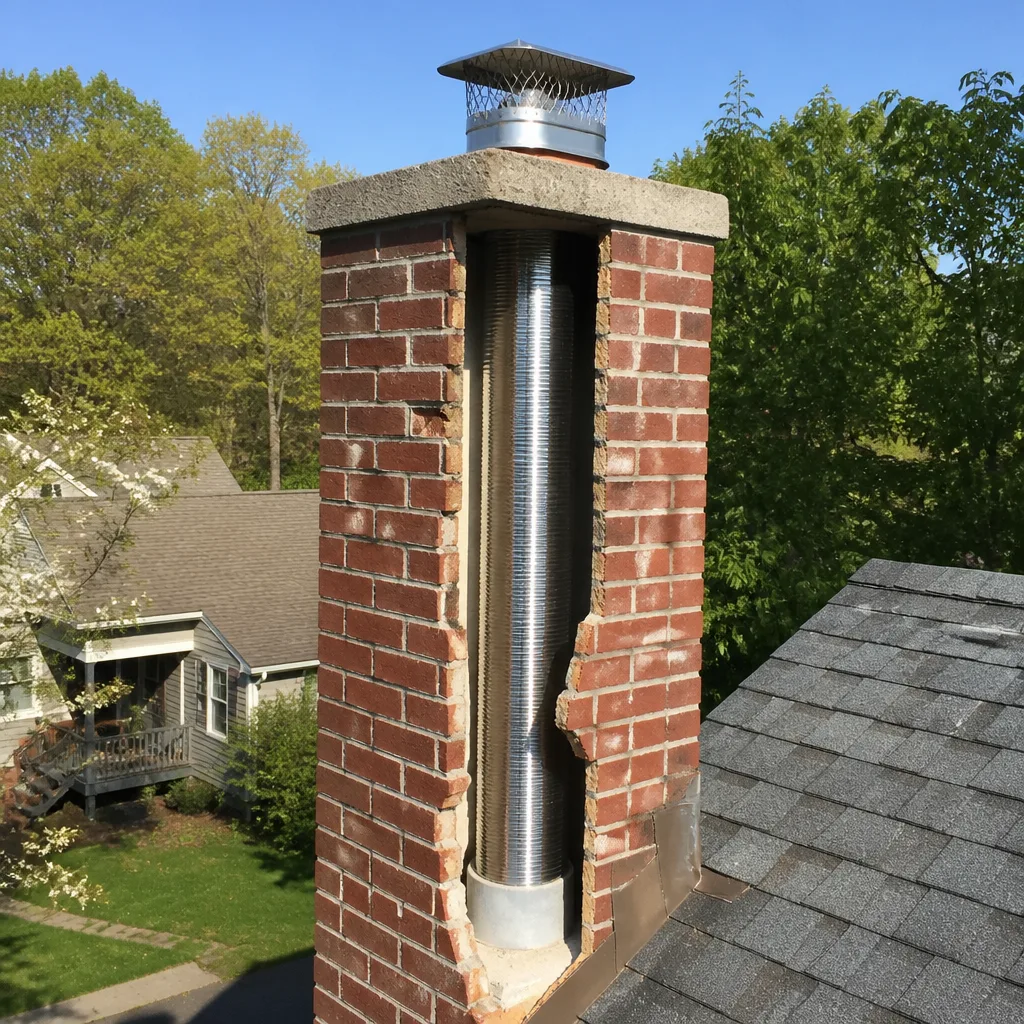 Flue relining
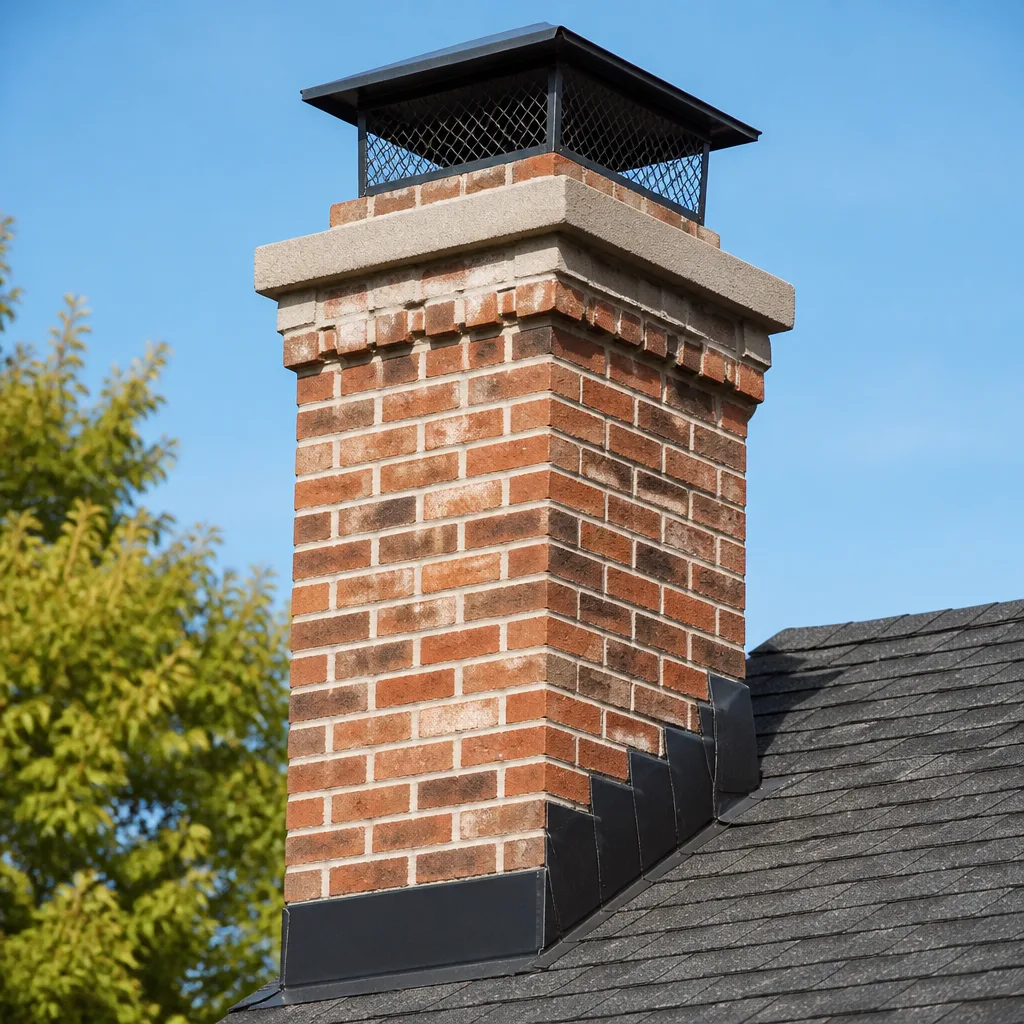 Masonry repair
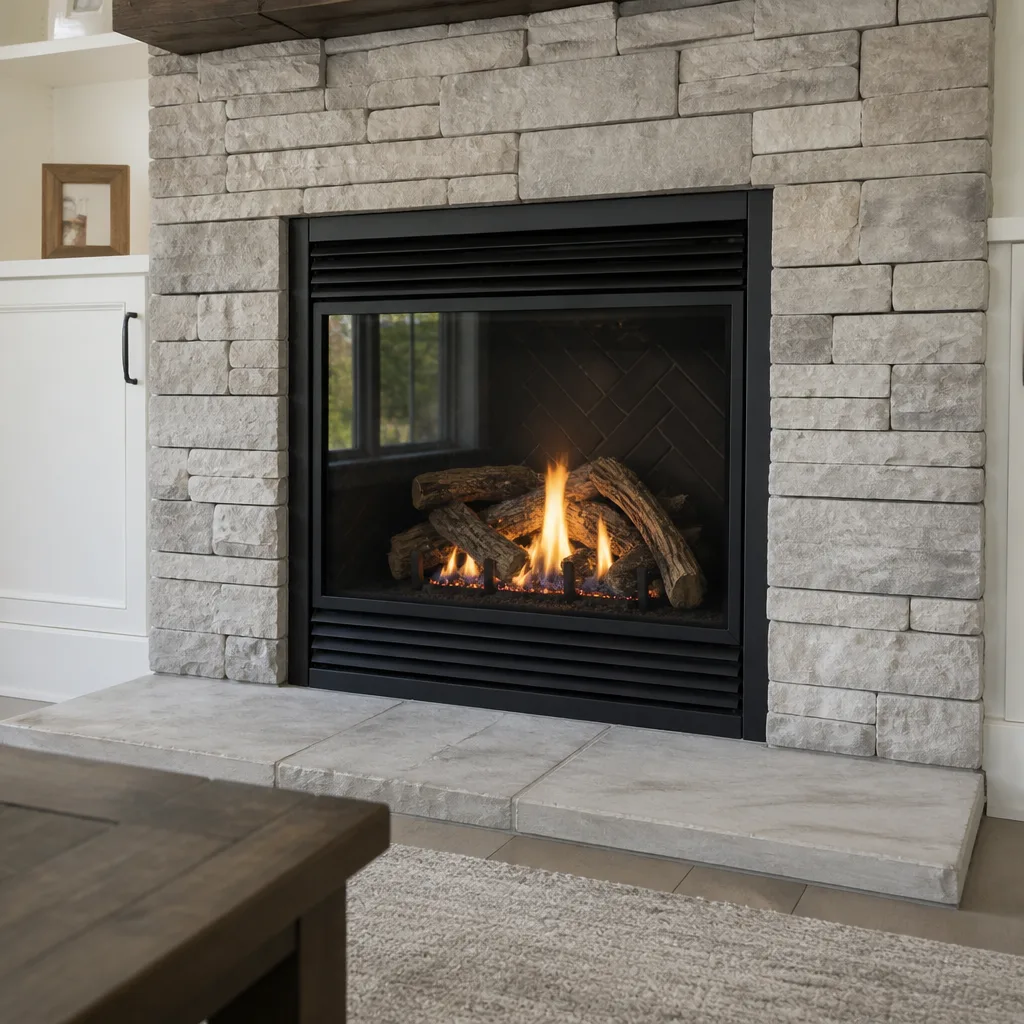 Gas fireplace service
Level 1 sweep and inspection to the NFPA 211 annual standard - flue, crown, cap, and flashing checked and photographed
Chimney sweep logs do not sweep chimneys. They loosen some creosote - which then falls where a brush and vacuum still have to collect it.
How to Hire a Chimney Cleaning Contractor in Brownsville: A Step-by-Step Guide
A chimney sweep doesn’t need a state license in Texas to take your money, sweep your flue, and drive off. That surprises most homeowners, and it’s the reason this guide exists. There’s no state board checking chimney credentials in Texas, which means the burden of verification lands on you. In a mid-size market like Brownsville, chimney cleaning sometimes gets picked up by general handymen and HVAC companies who don’t carry chimney-specific training, and a polished website won’t tell you the difference. What will: the questions you ask, the credentials you verify, and the details a professional written quote should contain. We’ll walk you through all three, step by step, so the person working on your chimney is actually qualified to be there.
Quick Answer
Hire a chimney contractor by requiring CSIA certification, asking for a written quote that itemizes inspection level and cleaning method, and confirming they use a camera inspection before recommending any repair. In Brownsville, where chimney work is sometimes offered as an add-on by general contractors, the fastest filter is simple: ask what equipment they carry, what their quote itemizes, and where their repair materials come from. A qualified chimney specialist will answer all three without hesitation. A generalist won’t.
Styles & brands we work with
- Sweep & inspection
- Caps & crowns
- Flue relining
- Masonry repair
- Gas fireplace service
Table of Contents
- Why Chimney Contractor Verification Matters in Brownsville
- What CSIA Certification Means and Why to Require It
- Red Flags of Generalist Contractors Offering Chimney Cleaning
- What a Professional Written Quote Should Itemize
- Why the Cheapest Bid in a Small Market Usually Costs More
- Questions to Ask About Materials Used in Repairs
- Step-by-Step: How to Hire a Chimney Contractor in Brownsville
- Common Mistakes to Avoid
- When to Call a Professional
- Frequently Asked Questions
Why Chimney Contractor Verification Matters in Brownsville
Texas does not license chimney sweeps. That single fact changes how you should approach hiring. In states with licensing boards, you can look up a contractor’s license number, check for complaints, and confirm insurance in a public database. In Texas, you can’t. Accountability comes from the contractor’s own credentials, their written documentation, and the questions you ask before they step onto your roof. Brownsville homeowners who understand this have a real advantage over those who assume a license is doing the vetting for them.
The other wrinkle is the local market. Brownsville is a mid-size city, and chimney work here doesn’t have the density of specialists you’d find in a colder metro with heavy heating demand. Winters are mild, burning seasons are shorter, and that means fewer companies doing chimney work full-time. When demand is spread thinner, general handymen and HVAC companies sometimes add chimney cleaning as a side service. They may do a passable job on a light flue. But they typically don’t carry the equipment, training, or trade-grade materials for the parts of the job that actually matter: camera inspection, liner assessment, and repair work built for a flue.
Verification is your leverage. When you know what to ask, you can separate a dedicated chimney specialist from someone bolting chimney cleaning onto a general handyman business. That’s the entire point of this guide. You don’t need to become a chimney expert. You need to know the five or six questions that reveal whether the person on your roof is one.
What CSIA Certification Means and Why to Require It
CSIA certification is the most reliable credential to require from any chimney contractor in Brownsville, because it’s the credential the industry itself recognizes. The Chimney Safety Institute of America certifies chimney sweeps through a combination of tested knowledge and a signed code of ethics. When a contractor holds CSIA certification, they’ve demonstrated they understand how chimneys actually work: drafting, creosote behavior, liner integrity, and the difference between a cleaning and an inspection. They’ve also agreed to a standard of conduct that holds them accountable beyond a handshake.
Here’s the part most homeowners miss. CSIA certification isn’t a one-time badge. It requires ongoing education to maintain, which means a certified sweep stays current on code changes and best practices. A generalist who sweeps chimneys on the side has no reason to pursue it and usually hasn’t. That’s your first real filter.
How to verify a CSIA credential
- Ask the contractor directly whether they hold CSIA certification, and ask for their certification number.
- Verify the number through the CSIA’s own directory rather than taking a website badge at face value.
- Ask who will actually be on your roof. Certification belongs to the individual technician, not just the company name on the truck.
- Ask what happens if the technician finds a problem. A certified sweep documents findings; an uncertified one may just quote a repair.
If a Brownsville contractor can’t tell you their certification status clearly and without hedging, that’s your answer. Move on. The certification isn’t a guarantee of perfect work, but it’s the closest thing the industry offers to a verified baseline, and it costs nothing to ask.
Red Flags of Generalist Contractors Offering Chimney Cleaning
Generalist contractors offering chimney cleaning as an add-on are the most common hiring risk in Brownsville, because their websites often look identical to a specialist’s. The difference shows up in the questions they can’t answer and the equipment they don’t carry. A chimney specialist talks about flue conditions, draft, and liner materials the way a mechanic talks about engines. A generalist talks about sweeping and leaves it there.
Questions a generalist usually can’t answer
- “What level of inspection do you perform?” A specialist can explain the difference between a basic visual check and an inspection that includes a camera scan of the flue. A generalist often doesn’t know the levels exist.
- “Do you use a camera to inspect the flue?” If the answer is no, or a vague “we look down from the top,” walk away. Camera inspection is how real findings get documented.
- “What do you do if you find damaged flue tiles?” A chimney specialist has an answer that involves resurfacing or relining. A generalist either doesn’t know or recommends rebuilding.
- “Where do your repair materials come from?” If the answer is a hardware store, that tells you everything. Chimney parts need to be engineered for a flue, not adapted from general construction stock.
- “Will you give me written findings?” A professional documents what they see. A generalist may give you a verbal summary and a bill.
Equipment red flags
Chimney work requires specific tools: a proper sweep set sized to the flue, drop cloths and a high-efficiency vacuum to keep soot out of your living space, and a camera system for inspection. When a contractor shows up with a shop vac and a brush on a pole, you’re not getting a professional sweep. You’re getting a generalist with a ladder. That’s the tell, and it’s usually visible before any work begins.
What a Professional Written Quote Should Itemize
A professional written quote should itemize four things: the inspection level performed, the cleaning method used, the liner assessment, and a report on cap and damper condition. If any of those is missing, the quote is incomplete, and an incomplete quote is how homeowners end up surprised by a repair bill they never agreed to. Ask for everything in writing before the work begins.
The four items every quote should contain
- Inspection level. The quote should state whether the visit includes a basic visual inspection or a more thorough scan with a camera. In Brownsville, where shorter burning seasons mean less frequent cleaning, a camera scan is worth asking for, because it catches problems that a visual check from the firebox misses.
- Cleaning method. How will the flue be cleaned? What equipment is used, and how is soot contained? A professional explains this in the quote, not on arrival.
- Liner assessment. This is the single most important line in the quote. The liner is what channels smoke and heat out of your home. If the quote doesn’t mention a liner assessment, ask why.
- Cap and damper condition report. The cap keeps weather and animals out of the flue, and the damper controls draft. Both should be checked and reported in writing, every visit.
Notice what a real quote doesn’t do. It doesn’t promise a price that changes on the roof. It doesn’t hand you a verbal range and ask you to trust it. The written estimate sets the final price, and that’s the standard you should hold any Brownsville contractor to. Our chimney sweep service, for example, includes a camera inspection and a photo report so you can see what we see.
Why the Cheapest Bid in a Small Market Usually Costs More
The cheapest bid in a small market often means no camera inspection, no creosote log, and no written findings. That’s not always intentional deception. Generalists in a mid-size market like Brownsville have lower overhead, and they price accordingly. But the low price reflects a lighter service. You pay less because less is being done, and the gap shows up later when a problem goes undetected.
Consider what a proper sweep actually produces. A camera inspection documents the condition of the flue on the way in and the way out. A creosote log records the type and degree of buildup found and the level cleaned to. Written findings note anything that needs attention, whether that’s a cracked tile, an ill-fitting cap, or a damper that doesn’t seal. None of that comes free, and none of it shows up in a bid that undercuts everyone else by half.
This doesn’t mean the highest bid is automatically correct. It means price alone is the wrong measure. Ask what each bid actually includes, line by line, and compare services rather than totals. A quote that includes a camera inspection, a written report, and a verified liner assessment is doing more work than one that doesn’t. In Brownsville, where chimney work is a specialized skill and burning seasons are mild, the difference between a thorough sweep and a quick sweep can be the difference between catching a problem early and discovering it after damage has settled in.
Questions to Ask About Materials Used in Repairs
Ask where repair materials come from, and listen for chimney-industry brands rather than hardware-store substitutions. Any repair to a flue is a repair to a system that handles heat and exhaust, and that system needs parts engineered for it. A cap or liner made for general construction gets adapted to a rough fit. A part made for a chimney fits the way it was designed to. The distinction matters more than most homeowners realize, and it’s one of the clearest ways to separate a specialist from a generalist.
What to ask, specifically
- For relining work: ask whether the liner is a dedicated chimney system. Professional chimney trade brands like DuraFlex make liner systems designed for flue use and thermal cycling, not general construction stock adapted afterward.
- For damaged flue tiles: ask whether resurfacing is an option. HeatShield resurfacing can repair damaged tile without full demolition, which is a different path than a rebuild. If a contractor only offers demolition, ask why resurfacing isn’t on the table.
- For caps and chase covers: ask whether the cap comes from a chimney weatherproofing manufacturer. Famco and Copperfield are two names that signal the cap was built for the job rather than improvised from a hardware-store part.
The point isn’t to memorize brand names. It’s to notice whether the contractor can name their materials and explain why those materials were chosen. A specialist knows exactly what’s going into your chimney and why. A generalist usually names a supplier, not a product. For a broader look at what repair work involves, our chimney repair page walks through the common problems and how each is addressed. Trade-grade materials, not hardware-store substitutes, is the standard worth holding.
Step-by-Step: How to Hire a Chimney Contractor in Brownsville
Hiring a chimney contractor comes down to a sequence of checks. Do them in this order, and you’ll separate a specialist from a generalist before anyone shows up. Skip any step and you’re trusting a website instead of evidence.
- Search specifically for chimney contractors. A HVAC company that offers chimney cleaning as an add-on is not the same as a chimney specialist. Start by looking for companies whose primary service is chimney work, not a side service listed among furnace tune-ups.
- Ask about CSIA certification on the first call. You don’t need to schedule anything to ask the question. If the answer is unclear, the call is over.
- Request a written quote before booking. Ask for it by email or text. A quote in writing, itemized as above, tells you what you’re buying. A verbal range doesn’t.
- Confirm the inspection level. Ask directly whether a camera inspection is included. On a chimney in Brownsville, the camera is what turns a sweep into a real health check.
- Ask about findings. Confirm you’ll get written findings and a photo report, not just a verbal summary.
- Ask what happens if a repair is needed. A professional company handles the inspection, the cleaning, and the repair under one roof, which means the person who found the problem is the person accountable for the fix. Our Parkway Chimney Sweep service model is built this way, and it’s a question worth asking of any Brownsville contractor.
- Verify insurance and bond status before booking. Ask for proof of insurance. It costs nothing to verify and protects you if a problem occurs on your property.
Seven questions, a few minutes each. That’s the whole process, and it’s the difference between a verified specialist and a confident generalist. Our technicians have up to 14 years of experience, and even so, the questions above are the ones we expect and welcome from any homeowner. A contractor who finds those questions uncomfortable probably hasn’t been asked them before, and that tells you something too.
Common Mistakes to Avoid
- Hiring on price alone. The cheapest bid in a mid-size market often means less work, not a better deal. Compare what’s included in each quote before you compare totals.
- Assuming a license means verification. Texas doesn’t license chimney sweeps, so there’s no state database to check. The CSIA credential is the closest thing to a verified baseline, and it’s your job to ask for it.
- Accepting a verbal estimate. A quote without an itemized inspection level, cleaning method, liner assessment, and cap and damper report is incomplete. Get it in writing and compare line by line.
- Allowing a repair recommendation without camera evidence. Any repair recommendation should be backed by a camera inspection and a photo report you can see for yourself. If a contractor recommends expensive liner work without showing you why, ask to see the evidence before agreeing.
- Overlooking the cap and damper. The cap keeps weather and animals out, and the damper controls draft. A sweep that skips both in its report is skipping the parts of your chimney that protect it between cleanings.
- Accepting hardware-store materials for repair work. A chimney repair is a flue repair. Ask where the parts come from, and expect an answer that names chimney-industry manufacturers, not a general building-supply store.
- Skipping the sweep when the burning season is light. A mild Brownsville winter doesn’t mean a chimney stays clean. Creosote accumulates over time, and a skipped season is the gap problems hide in.
When to Call a Professional
Call a professional when you’re buying a home with a wood-burning or gas fireplace and want the flue verified before closing. Call when the burning season is approaching and you haven’t had a sweep or inspection in a while, since creosote accumulates silently between cleanings and a mild Brownsville winter still leaves residue behind. Call when you see visible signs of trouble: soot streaks on the firebox, a damper that doesn’t seal, or a cap that looks loose or damaged. Call if you smell smoke indoors when the fireplace isn’t in use, because that’s a backdraft signal worth checking. And call before any repair decision, especially a costly one, so the recommendation comes with camera evidence you can review yourself. A dangerous flue is worth handling with eyes open, and a trained professional is the right person to do it.
Parkway Chimney Sweep offers free estimates in Brownsville. Call (877) 729-8794 to get started. We answer 24/7. Fast dispatch from 7am to 7pm, Sunday through Friday.
Frequently Asked Questions
Ask for CSIA certification and verify it through the CSIA’s directory, then ask whether a camera inspection is included in the service. Texas doesn’t license chimney sweeps, so certification is the most reliable credential available, and the camera confirms the person is equipped for real inspection work rather than a basic sweep. Call (877) 729-8794 for a free estimate.
A complete quote itemizes the inspection level, the cleaning method, a liner assessment, and a cap and damper condition report. If any of those four items is missing, the quote is incomplete and you should ask why before booking. The written estimate sets the final price, so get it in writing first. Call (877) 729-8794 for an exact quote; estimates are free.
It’s a reason to ask more questions, because HVAC work and chimney work require different training and equipment. A generalist may do a passable job on a light flue, but they often don’t carry a camera system, don’t perform liner assessments, and don’t source chimney trade materials for repairs. Ask what equipment they carry and how they document findings. Call (877) 729-8794 for a free estimate.
The lowest bid often means no camera inspection, no creosote log, and no written findings, so the low price reflects a lighter service rather than a better deal. An undetected problem can become a larger repair later. Compare what each quote includes line by line, not just the totals. Call (877) 729-8794 for an exact quote; estimates are free.
Repair materials should come from chimney-industry manufacturers rather than hardware-store stock, because a flue repair is a repair to a heat and exhaust system. Ask the contractor to name their liner, resurfacing, and cap products and explain why they chose them. DuraFlex liner systems and HeatShield ceramic resurfacing are two trade-grade examples worth hearing named. Call (877) 729-8794 for a free estimate.
Skipping an inspection lets creosote accumulate and lets small problems, like a cracked flue tile or a loose cap, go unnoticed until they worsen. A mild winter doesn’t stop either process. Having a sweep and inspection done before the burning season is the simplest way to stay ahead of it. Call (877) 729-8794 for an exact quote; estimates are free.
The Bottom Line
Hiring a chimney contractor in Brownsville comes down to verification, not trust in a website. Require CSIA certification, ask for a written quote that itemizes inspection level, cleaning method, liner assessment, and cap and damper condition, and confirm the contractor uses a camera and sources repair materials from chimney-industry manufacturers. The cheapest bid usually means the fewest checks, and in a mid-size market that’s the gap where problems hide. Ask the questions, get it in writing, and hold the standard. The right contractor will answer every question without hesitation, because chimney work is all they do. The wrong one will tell you something else.
Ready to get started? Call (877) 729-8794 for a free estimate. We answer 24/7. Fast dispatch from 7am to 7pm, Sunday through Friday.
Written by the team at Parkway Chimney Sweep.
See the difference
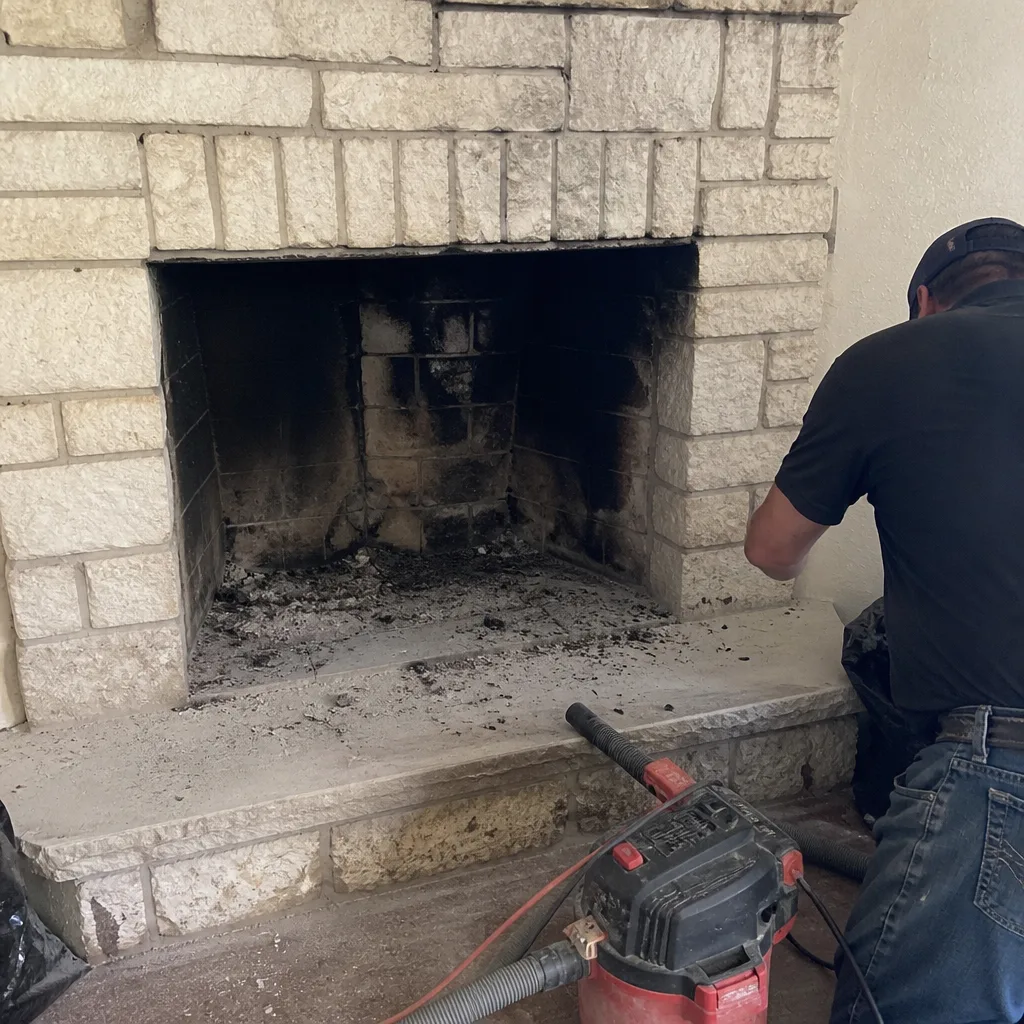 Before
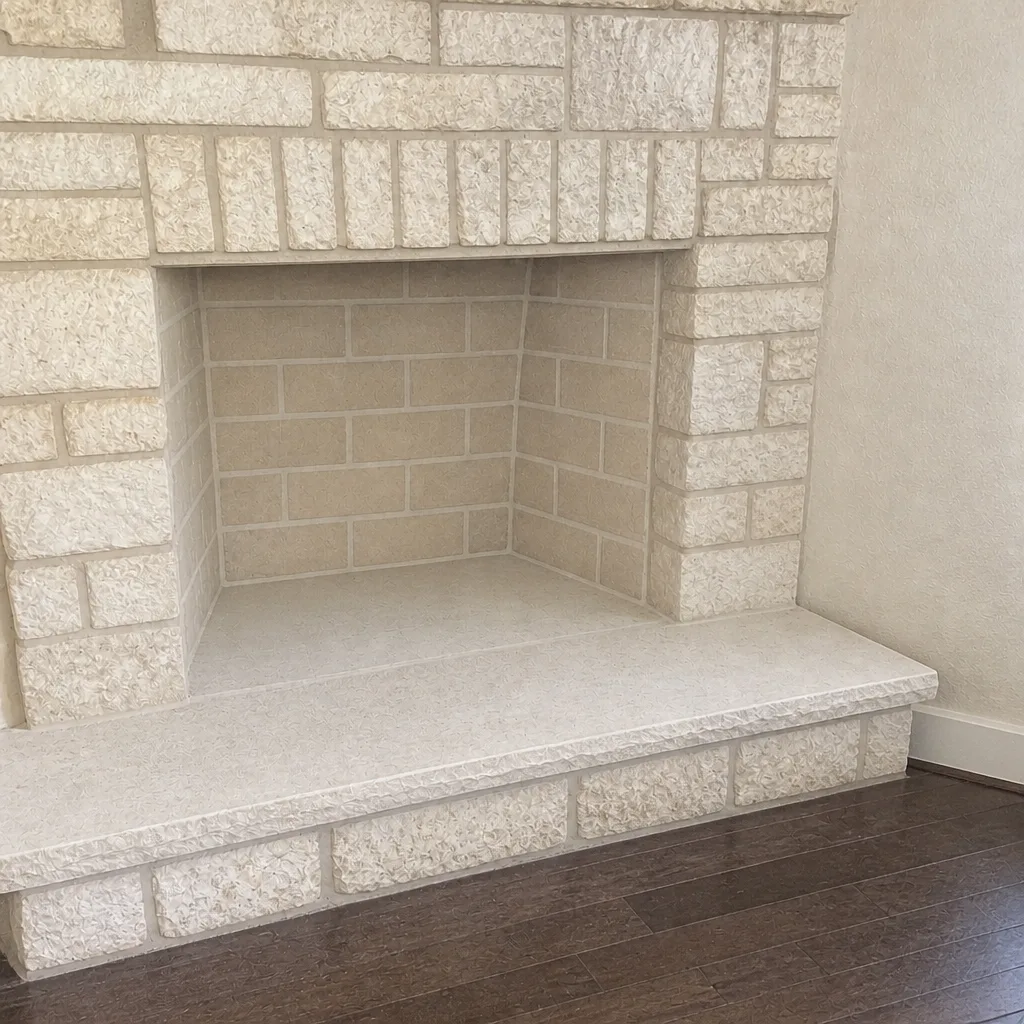 After
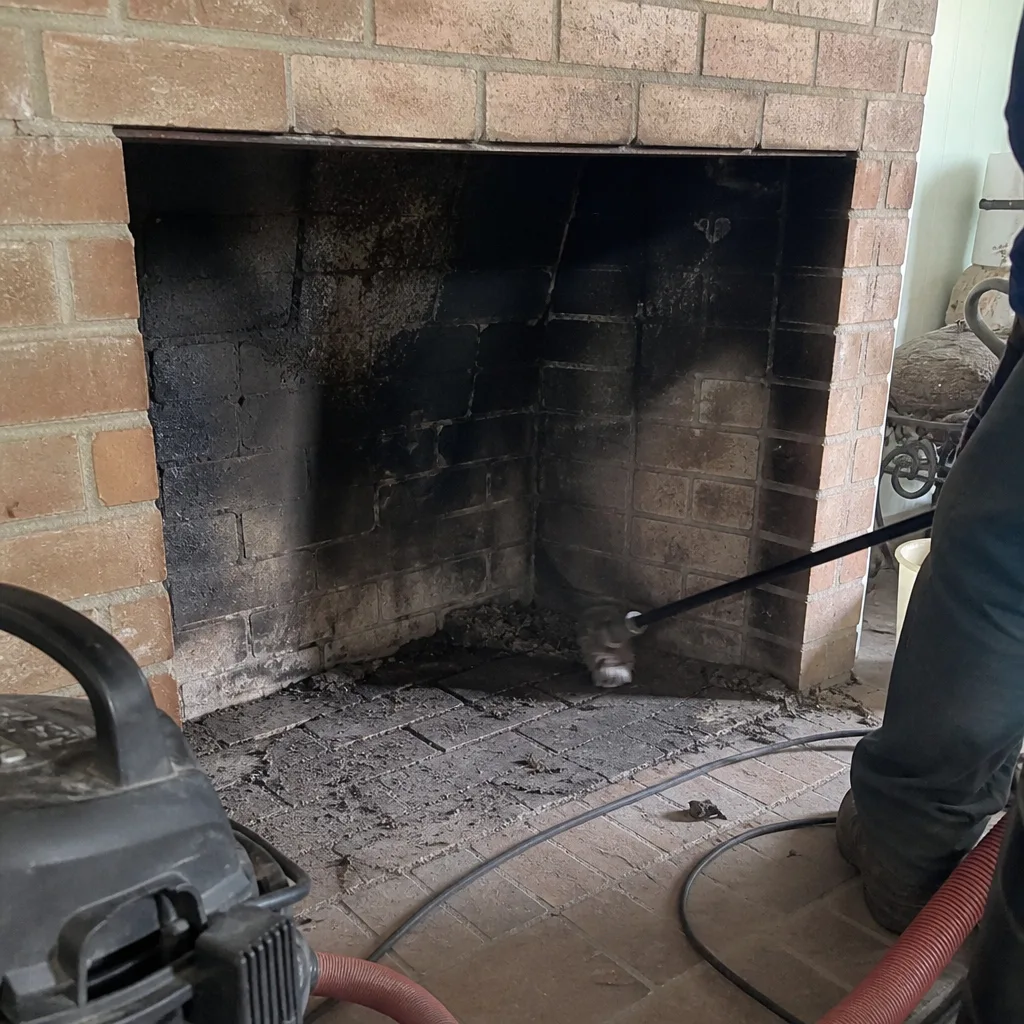 Before
 After
 Before
 After