
Last updated November 16, 2026
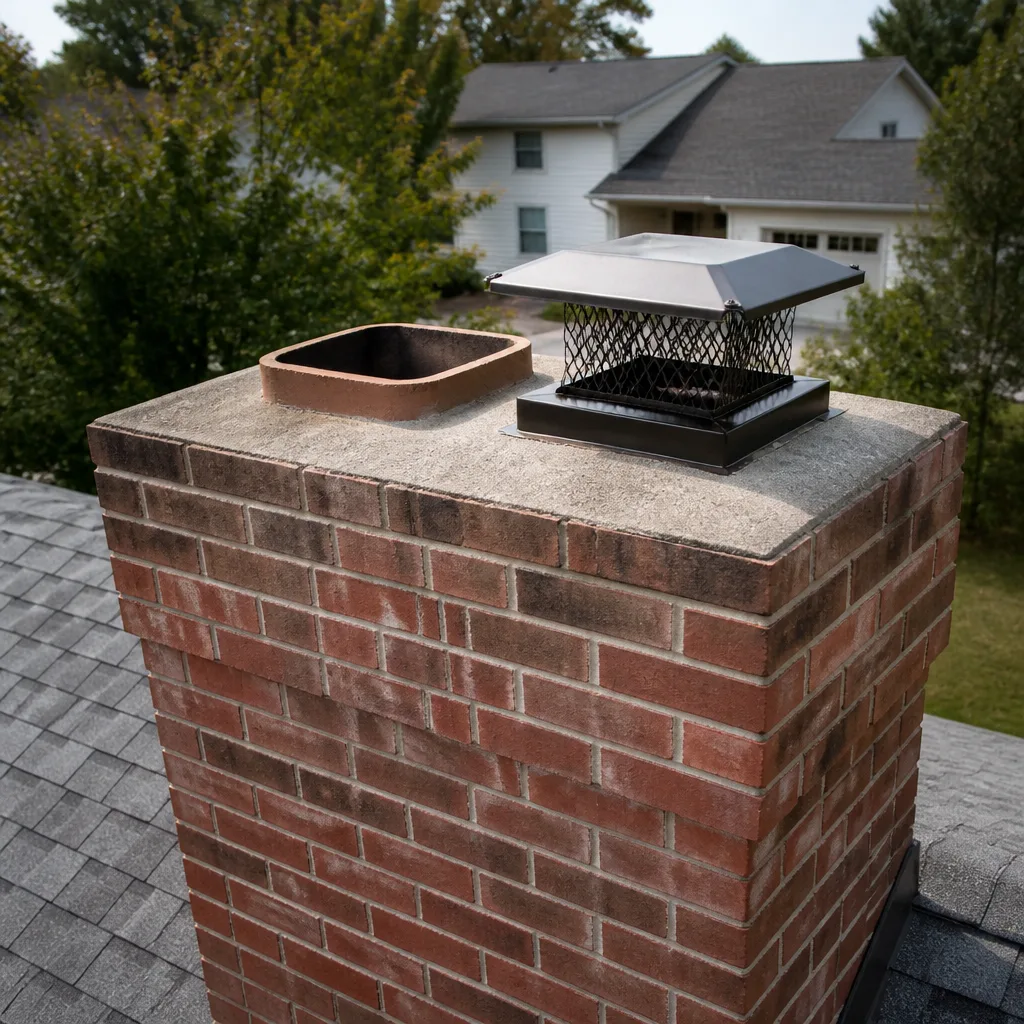 Sweep & inspection
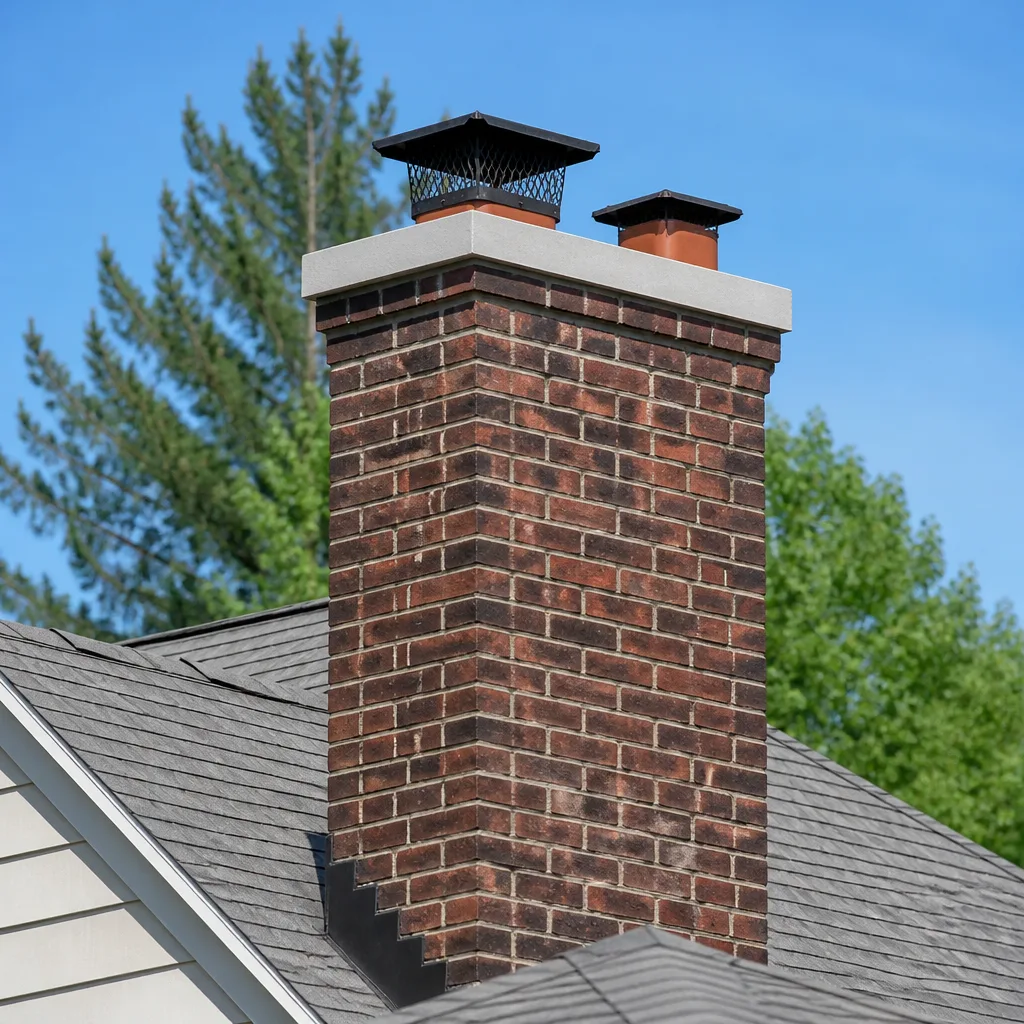 Caps & crowns
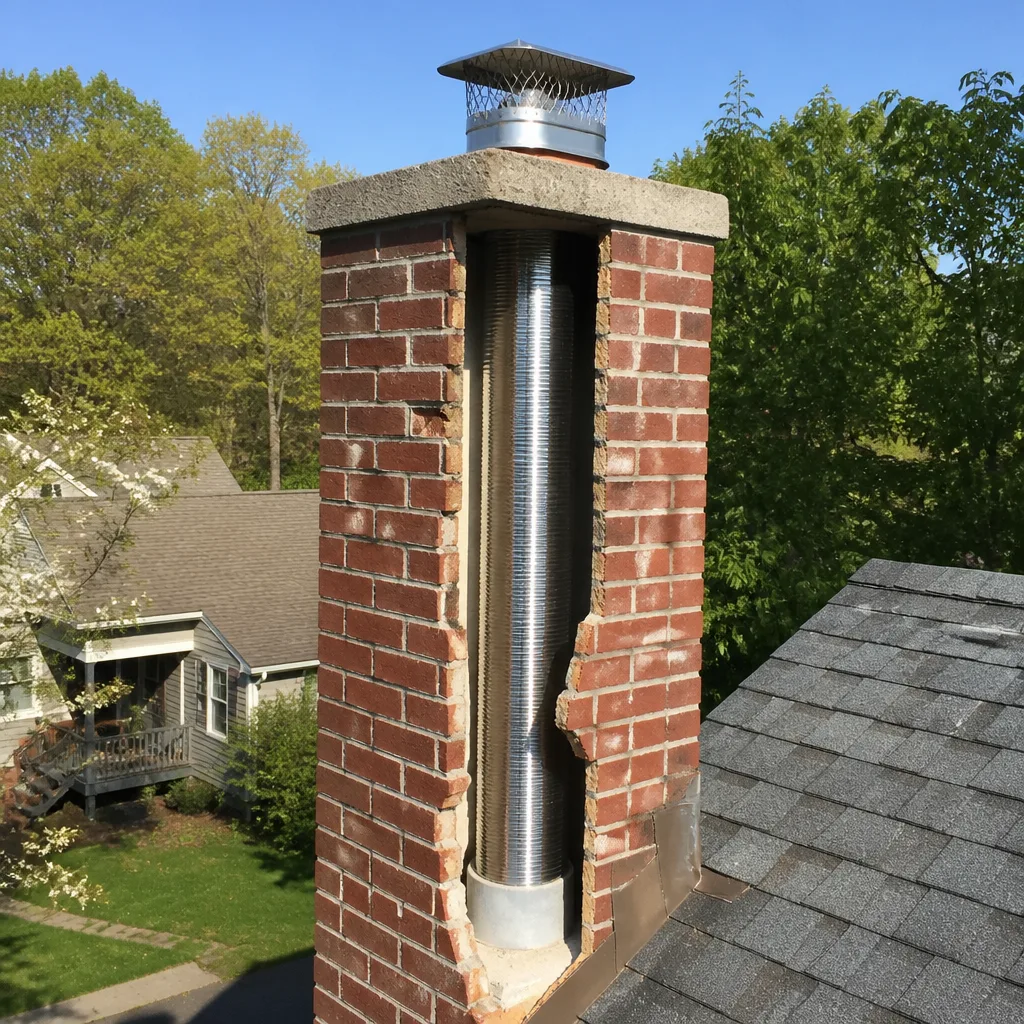 Flue relining
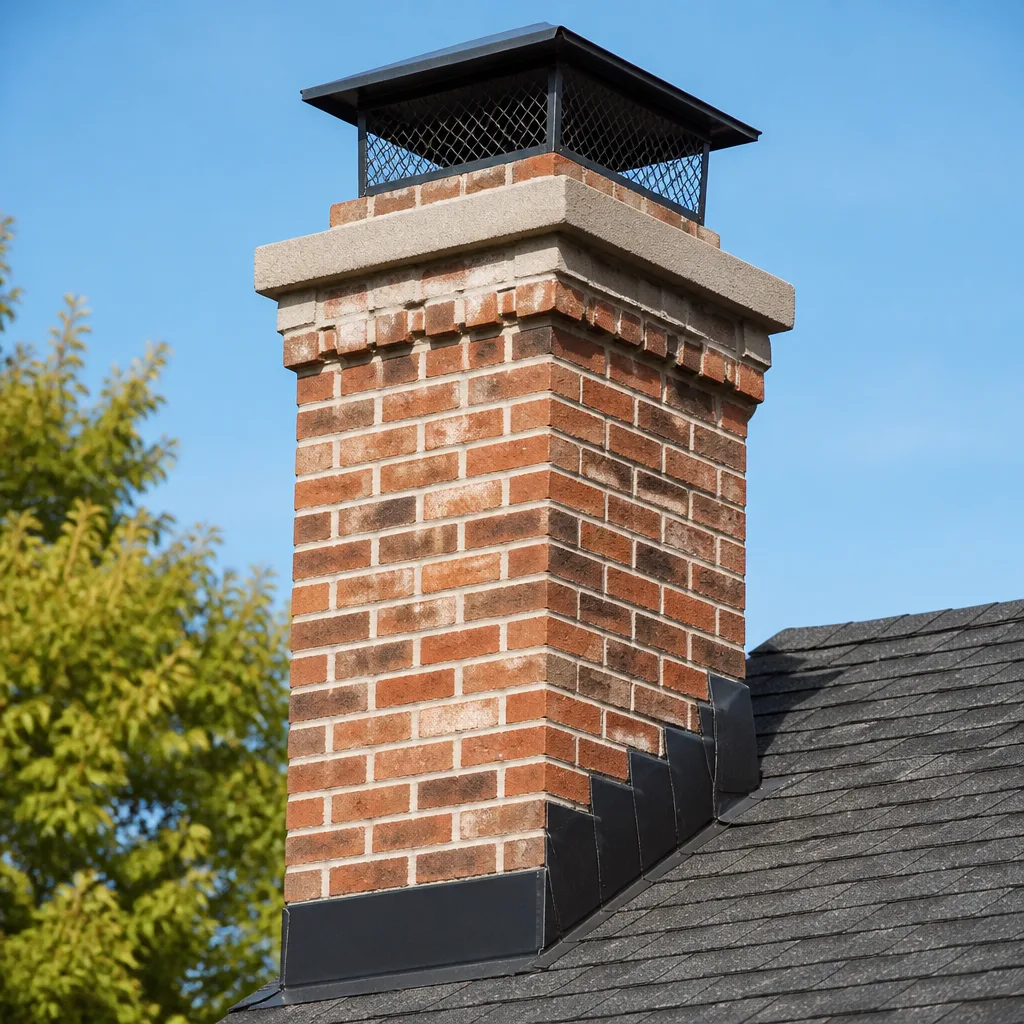 Masonry repair
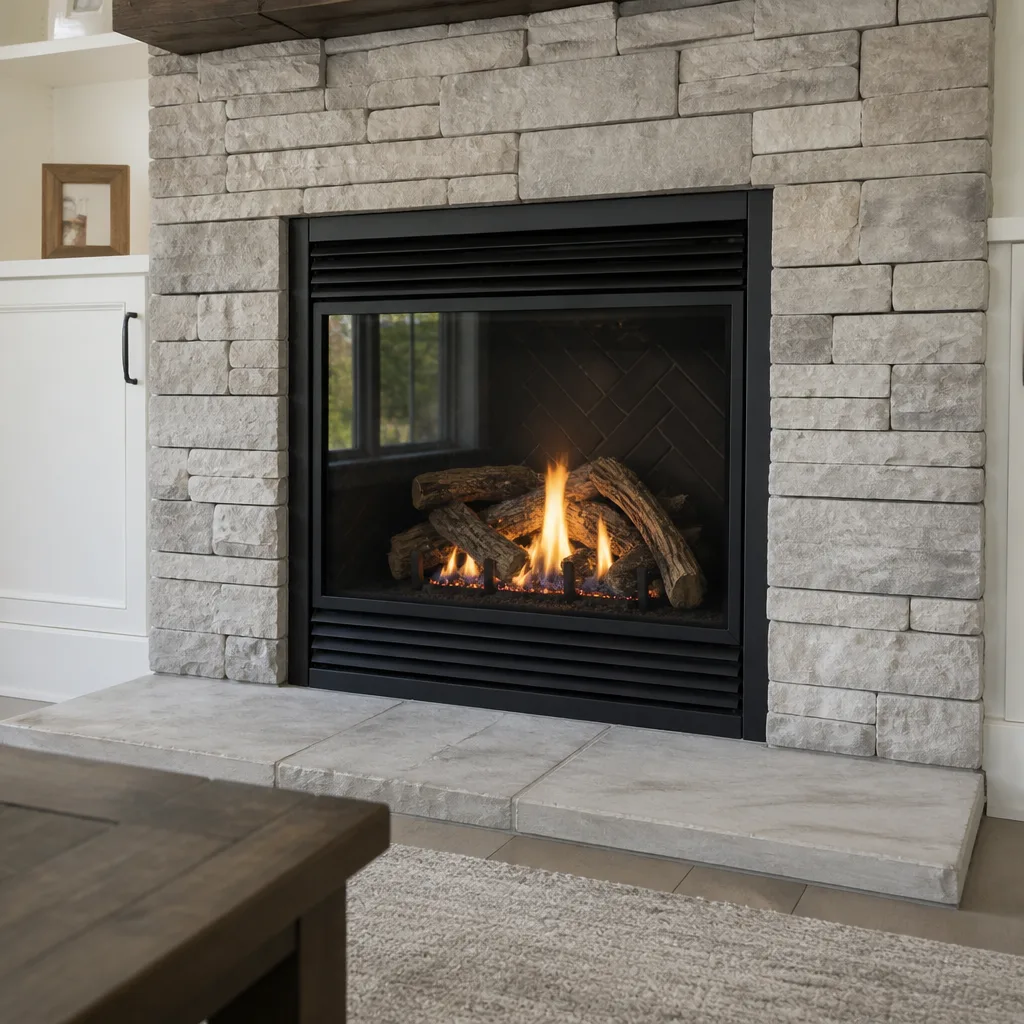 Gas fireplace service
Level 1 sweep and inspection to the NFPA 211 annual standard - flue, crown, cap, and flashing checked and photographed
Chimney sweep logs do not sweep chimneys. They loosen some creosote - which then falls where a brush and vacuum still have to collect it.
DIY vs Professional Chimney Cleaning: The Brownsville Homeowner’s Decision Guide
You can rent chimney brushes at a hardware store and clean your flue yourself, and you may do a reasonable job of the part you can see and reach. What you won’t get is any information about what’s behind the soot, which is where every serious chimney problem hides. That distinction matters more in Brownsville than in a dry, high-desert climate, because the humidity here works on flue tiles and mortar in ways the firebox never shows you. This guide explains exactly what a DIY clean accomplishes, what it can’t tell you, and how to judge the real trade-off for your own home before the burning season starts.
Quick Answer
A DIY chimney cleaning removes loose soot and some surface creosote from the flue you can reach, but it gives you no assessment of creosote stage, liner cracks, moisture damage, or cap seal integrity. For most Brownsville homeowners with a wood-burning fireplace, a professional sweep is worth it because the inspection that comes with it produces information a brush alone never will. DIY upkeep between professional visits is reasonable for light surface work around the firebox and a visual check of the cap.
Styles & brands we work with
- Sweep & inspection
- Caps & crowns
- Flue relining
- Masonry repair
- Gas fireplace service
Table of Contents
- What DIY Cleaning Actually Accomplishes
- What DIY Can’t Assess (and Why That Matters)
- Why Brownsville Conditions Make DIY Riskier
- Equipment Reality Check: Hardware Store vs Trade Grade
- When DIY Maintenance Between Visits Is Appropriate
- Framing the Cost Against a Missed Repair
- How to Choose a Chimney Professional in Brownsville
- How a Professional Sweep and Inspection Actually Goes
What DIY Cleaning Actually Accomplishes
DIY chimney cleaning does one thing well: it removes loose, dry soot and light surface deposits from the flue sections a brush can reach. That’s a real result. If your chimney has only a thin film of soot from a few fires, a homeowner with a correctly sized brush can knock some of it down. The problem is that this is roughly a third of what a cleaning is for.
Here’s what a brush in your hands can accomplish:
- Loose soot removal from straight, accessible flue sections.
- Light surface dusting of the firebox and smoke shelf area you can reach.
- Visual confirmation that the flue isn’t obviously blocked at the top, if you can safely see it.
And here’s what it leaves untouched, in almost every case:
- Glazed creosote. The hard, shiny, tar-like third stage of creosote bonds to flue tiles and won’t come off with a standard brush. It’s the stage most associated with chimney fires, and it’s exactly what a homeowner can’t identify by looking up the flue with a flashlight.
- Offsets and bends. Many flues aren’t straight. A brush on a rod follows the straight run and skips the angled sections where deposits collect.
- The smoke chamber. The tapered area above the damper is notoriously hard to reach and is a common collection point for creosote.
- The cap and crown. These protect the whole system from rain and animal entry, and a brush never touches them.
In our experience, most homeowners who clean their own chimney come away believing the flue is clear because the brush passed through and the firebox looked tidy afterward. That’s a reasonable conclusion based on what a brush tells you. It just isn’t the whole picture.
What DIY Can’t Assess (and Why That Matters)
The core argument in the DIY versus professional debate usually comes down to skill and safety. That framing misses the point. The real difference is information. A DIY clean produces no data about the four failure points that actually cause chimney fires and costly repairs, and those are the things you need to know before the burning season.
Here are the four things a professional sweep assesses that a brush cannot:
- Creosote stage. Creosote progresses through three stages, from soft and flaky to hardened and glazed. Only the first comes off with a standard brush. A trained sweep identifies the stage and treats it accordingly, sometimes with rotary equipment or chemical agents. You can’t determine the stage by eye from the firebox.
- Liner cracks and gaps. The flue liner carries combustion gases up and out. Hairline cracks in clay tile or separations at the joints let heat and gases reach framing or adjacent materials. You can’t see them without a camera scope run through the flue.
- Moisture damage. Water entering at the crown, cap, or flashing degrades mortar and tile over time. A sweep checks for staining, efflorescence, and soft mortar joints that point to ongoing water intrusion.
- Cap seal integrity. A cap that’s loose, rusted, or improperly seated lets rain and animals in and lets sparks out. It’s a cheap fix when caught early and a much bigger repair when it isn’t.
This is the information gap that matters most. When you book a professional chimney sweep, you’re not just paying for soot removal. You’re paying for a trained assessment of the whole system in a single visit, and for the peace of knowing that what you can’t see has been looked at. One company handles the inspection, the cleaning, and the repair, so nothing gets lost between contractors.
Why Brownsville Conditions Make DIY Riskier
Chimney care advice written for a cold, dry climate doesn’t map cleanly onto Brownsville. Our winters are mild, which means many homeowners light fires less often and assume the chimney needs less attention. The humidity is the complicating factor. Moisture in the air and driven rain work on flue tiles, mortar joints, and the crown in ways that a dry climate doesn’t reproduce. A chimney that looks fine from the firebox can have a compromised liner underneath.
Here’s how Brownsville conditions change the calculation:
- Mild winters mean less frequent fires, which means deposits age in place. Creosote doesn’t disappear between burning seasons. It sits, hardens, and in humid air can absorb moisture, which accelerates the damage to the tiles it’s bonded to.
- Humidity accelerates liner deterioration. Moisture cycling through masonry and mortar weakens joints over time. This process doesn’t announce itself. You’ll see it as staining, spalling, or a soft mortar joint, and only if you know what to look for.
- Occasional heavy rain finds every weak point. A loose cap or a cracked crown lets water in. In a humid climate, that water doesn’t dry out quickly, and the damage compounds.
- Older Brownsville homes often have older flue assemblies. Many homes in neighborhoods like Southmost, downtown, and the Buena Vida area were built decades ago. Clay tile liners from that era may have cracks and gaps that are invisible from the firebox but straightforward to spot with a camera scope.
The humidity here is the reason we encourage Brownsville homeowners to treat a professional inspection as an annual question rather than a once-in-a-while one. The visible soot isn’t the concern. It’s what the moisture is doing to the parts you can’t see. If you want a closer look at the specific risks in the area, our Brownsville chimney service page covers the local picture in more detail.
Equipment Reality Check: Hardware Store vs Trade Grade
The hardware store chimney brush is a legitimate tool. It’s also one small piece of what a professional sweep brings. Understanding the equipment gap makes the information gap concrete, because each piece of professional equipment exists specifically to answer a question the brush can’t.
What you’ll find at a hardware store:
- A polypropylene or wire brush head, usually one size.
- Fiberglass rods, often sold in short sections.
- Maybe a drop cloth and a dust mask.
What a professional sweep uses:
- Rotary sweeping systems. Powered whips and rods that follow the flue’s contour and reach angled sections a hand-pushed brush skips.
- Video scopes. Cameras run through the flue that record the condition of the liner. This is where the information comes from, and it’s what turns a cleaning into an inspection.
- Commercial HEPA vacuums. Sealed, high-capacity vacuums that hold soot in the flue and out of your living room. The average shop vac isn’t rated for fine soot and can end up blowing it back into the room.
- Trade-grade repair materials. When a scope reveals cracks or a failed joint, we repair with products engineered specifically for chimney flues, not general construction substitutes. That’s where DuraFlex flexible liner systems and HeatShield ceramic resurfacing come in: they’re built for the thermal cycling a flue experiences, which is why certified chimney engineers specify them.
The equipment gap isn’t a knock on homeowners. It’s an honest explanation of why a DIY clean and a professional service produce different outcomes. The brush removes soot. The scope produces a diagnosis. You need both, and only one of them is available on a rental shelf.
When DIY Maintenance Between Visits Is Appropriate
DIY upkeep between professional visits is reasonable for a narrow set of tasks, and we encourage it. Keeping the system tidy between sweeps helps it perform and makes the professional visit more productive. The key is knowing where the line is. Brushing the flue, chasing a creosote problem, or attempting to service the liner are not DIY tasks. The items below are.
Here’s what a Brownsville homeowner can reasonably handle between professional visits:
- Brush accessible firebox surfaces. The firebox walls, the smoke shelf area you can safely reach, and the hearth are fine to wipe down. This removes ash and surface soot without touching the flue.
- Do a visual check of the cap. From the ground, look at the cap on the roof. If it’s visibly loose, missing a screen, or rusted through, note it and bring it up at your next visit. Don’t climb onto the roof to fix it yourself; roof work is a fall hazard, and a chimney professional has the right access equipment.
- Monitor for pest activity. Birds, squirrels, and wasps find uncapped or poorly capped chimneys inviting. If you hear scratching or see evidence of nesting, call for a professional visit rather than trying to remove it yourself.
- Check the damper operation. A damper that sticks can usually be freed with the manufacturer’s guidance. A damper that’s stuck open is a sign of a larger problem worth a professional look.
- Keep a log. Note the date of each professional sweep and any changes you notice: new staining on the exterior, a draft that didn’t used to be there, a smell after rain. This log makes the next inspection faster and more accurate.
What we don’t recommend for DIY: brushing the flue above the damper, attempting to remove glazed creosote, reaching up into the smoke chamber, or getting on the roof to inspect the crown and flashing. Those areas carry real risk and need the right equipment and training. High-tension chimney components and roof-height work are genuinely dangerous, and the cost of a professional service is small next to the cost of a fall or a missed problem.
Framing the Cost Against a Missed Repair
The cost conversation around chimney work is usually framed as “professional cleaning costs more than DIY.” That’s true in the narrow sense and misleading in the useful one. The real comparison is between the cost of a professional cleaning and the cost of a repair that a DIY clean would have missed.
Here’s the range of chimney repair work we see in the Brownsville market, expressed as typical project ranges. These are estimates, and the specific written estimate is what sets the final price:
- Standard sweep and inspection: $150 – $350, depending on the flue configuration and whether a camera inspection is included.
- Creosote treatment for glazed deposits: $250 – $600, because glazed creosote requires rotary or chemical treatment beyond a standard sweep.
- Cracked or failed liner repair (relining): $1,800 – $5,000, depending on flue length and liner material. This is the repair a camera scope exists to catch.
- Crown repair or rebuild: $400 – $1,500, depending on the extent of the damage and whether the flashing needs replacing.
- Chimney cap replacement: $200 – $500, and the cheapest repair on the list when caught early.
Read those numbers together. The gap between a standard professional sweep and a liner replacement is roughly $1,500 to $4,600. That’s the gap a DIY clean can’t tell you about. When we find a liner crack during a sweep, we repair it with DuraFlex flexible liner systems, which are the professional-trade standard for chimney relining. A failed liner is a safety issue, not a cosmetic one, because the liner is what protects the framing from heat and gases. Catching it early, before it turns into a full reline, is the whole point of an inspection.
We’re not suggesting every homeowner needs a full reline. Most don’t. The point is that the decision should be based on what a camera shows, not on what a brush through the flue fails to reveal. Our chimney repair service exists because that gap is real and recurring.
How to Choose a Chimney Professional in Brownsville
If you decide the professional route is right for you, the next question is who to call. The Brownsville market has a range of providers, from dedicated chimney companies to general handymen who add sweeping to their services. The distinction matters, because the equipment and materials you’re paying for only show up in one of those categories.
Here’s what to look for when choosing a chimney professional in Brownsville:
- Chimney-only specialization. Ask whether chimney work is the whole business or a side service. A dedicated company carries the trade-specific equipment and materials; a generalist adapts. Our answer to that question is simple: chimney work is all we do.
- Camera inspection. A sweep without a camera scope can’t see cracks, gaps, or creosote stage. Ask if the inspection includes a camera and whether you’ll see the footage. If you’re told you need a full reline, ask to see the evidence. Nothing should be recommended that you can’t see for yourself.
- Trade-grade materials. Ask what brand and product type will be used for any repair. If the answer is a generic hardware-store substitute, that’s a signal. Legitimate chimney repair uses products engineered for flues, like the DuraFlex and HeatShield lines, along with weatherproofing caps and covers sourced through professional channels such as Olympia Chimney and Gelco.
- A single accountable company. Coordinating a sweep, an inspection, and a repair across three contractors is expensive and error-prone. One company handling all three means nothing falls between them.
- A written estimate before work starts. The price should be set per job, in writing, before anything is touched. A free estimate in Brownsville should be genuinely free and specific.
- Licensed and insured. Verify the company carries both before any work begins, especially if the job involves roof access or a repair that could affect the structure.
You’re paid for the information as much as the cleaning, and a good chimney company will cheerfully show you what the camera sees. Ours will. Our technicians have up to 14 years of experience, and they’ve seen every stage of creosote and every kind of liner failure a flue can produce.
How a Professional Sweep and Inspection Actually Goes
If you’ve never had a professional sweep, it helps to know the sequence. Knowing what a sweep actually involves removes a lot of the mystery and lets you ask better questions when you book. Here’s the process, in the order we run it.
- Pre-visit questions. You’ll be asked about your fireplace type, how often you burn, and any issues you’ve noticed. This frames the inspection.
- Firebox and hearth protection. The work area is covered and sealed, and a HEPA vacuum is set up at the firebox opening so soot stays in the flue and out of the room.
- Damper and smoke chamber inspection. The damper, smoke shelf, and firebox are checked for creosote buildup and damage.
- Flue cleaning. The rotary sweep and brush system clears the flue, following the contoured run including any offsets.
- Camera inspection. A video scope runs the full length of the liner. This is the step that produces the diagnosis: creosote stage, liner condition, joints, moisture evidence.
- Exterior check. The cap, crown, flashing, and the chimney’s exterior condition are assessed from the roof and ground. A dedicated company brings the right access equipment and knows the safe method.
- Review and estimate. You see the footage and photos, and any recommended repair comes with a written estimate explaining the evidence behind it. You can decide what to do and when.
- Cleanup. The work area is left as it was found, with the soot contained and removed.
That sequence is why a professional visit produces information a DIY clean can’t. The brush is step four of eight. Everything before it sets up the diagnosis, and everything after it turns the diagnosis into a decision. If a repair isn’t urgent, the company should say so, and that’s a reasonable question to ask.
Common Mistakes to Avoid
- Treating a cleared firebox as a clean chimney. A tidy firebox means a pass with a brush worked. It doesn’t mean the flue above the damper is clean or inspected. The two are separate questions.
- Burning wet or unseasoned wood. In Brownsville’s humidity, wood that hasn’t been properly dried can smolder and produce more creosote more quickly than well-seasoned wood. Check moisture content and store firewood off the ground and covered.
- Assuming a mild winter means less chimney attention. The opposite can be true: fewer fires with long idle periods in humid air is a recipe for deposits aging in place. An annual question is the safer default, not an every-few-years one.
- Brushing the flue yourself and then dismissing a smell or draft. A persistent smoke smell after rain or a draft that’s new since last season are both signals that something has changed. Don’t attribute them to the fireplace being cold; have the flue looked at.
- Skipping the cap or ignoring a loose one. Without a properly seated cap, rain, birds, and animals all find their way in. A cap replacement is one of the cheapest repairs on the list; postponing it is one of the costliest.
- Hiring a generalist and assuming it’s a chimney job. A handyman with a brush is not a chimney professional. The camera, the trade equipment, and the branded repair materials are what distinguish one from the other.
- Accepting a “you need a full reline” answer without evidence. Ask to see the camera footage. If a company can’t show you the cracks and gaps, find one that can. That’s true in Brownsville and everywhere else worth working.
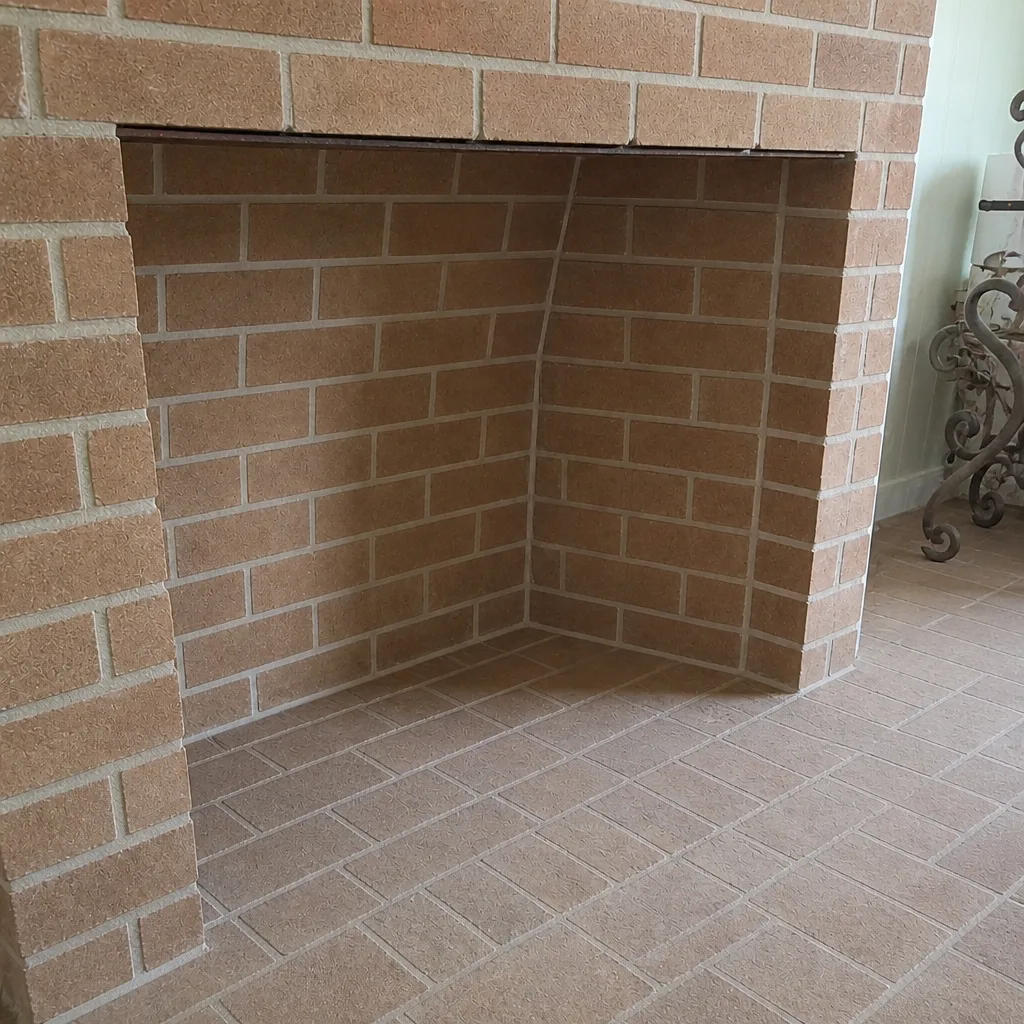
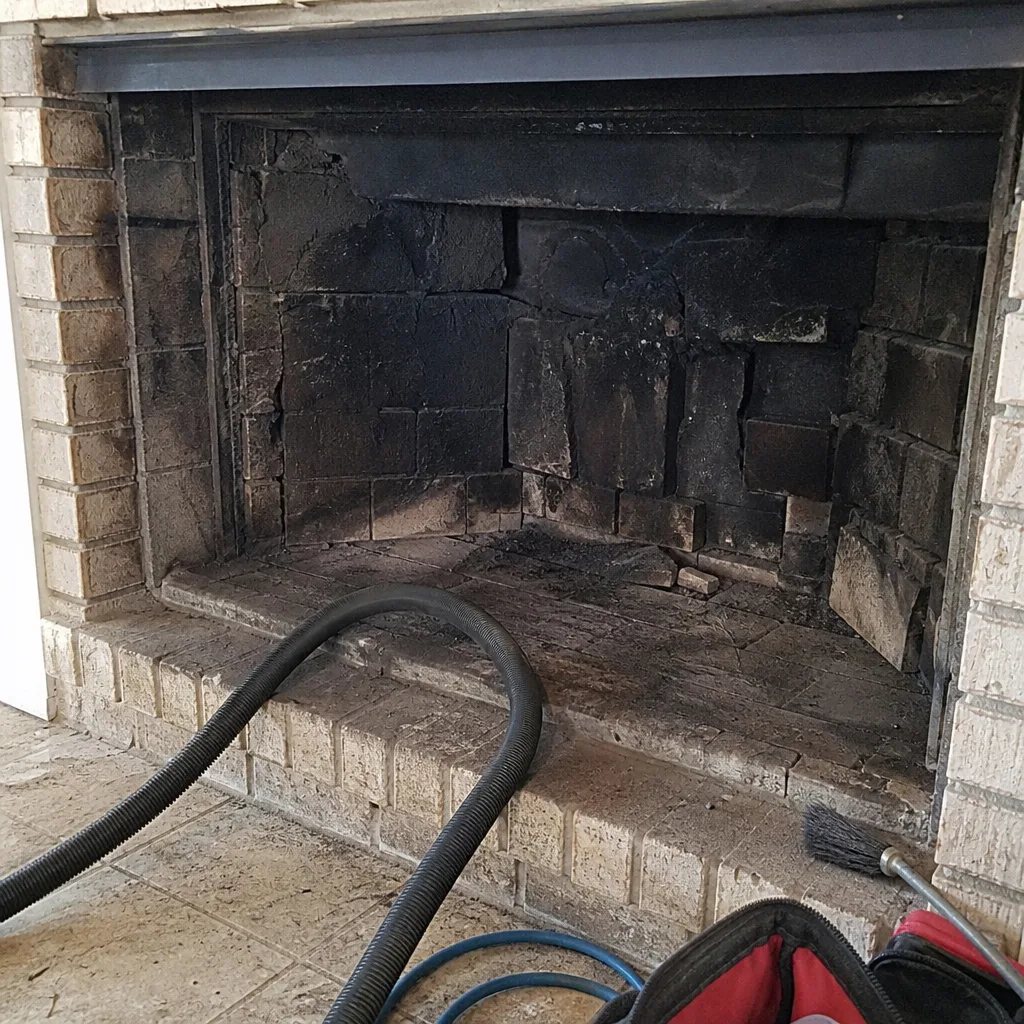
See the difference
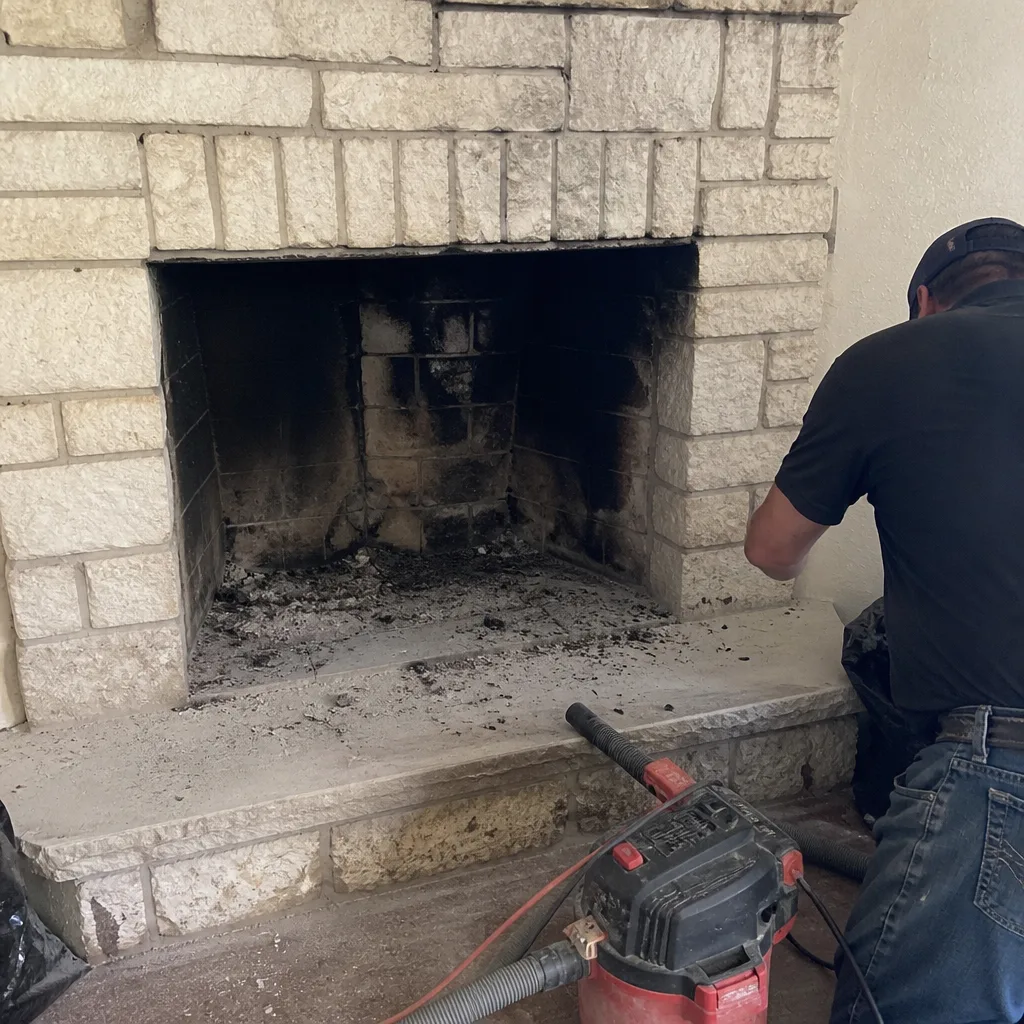 Before
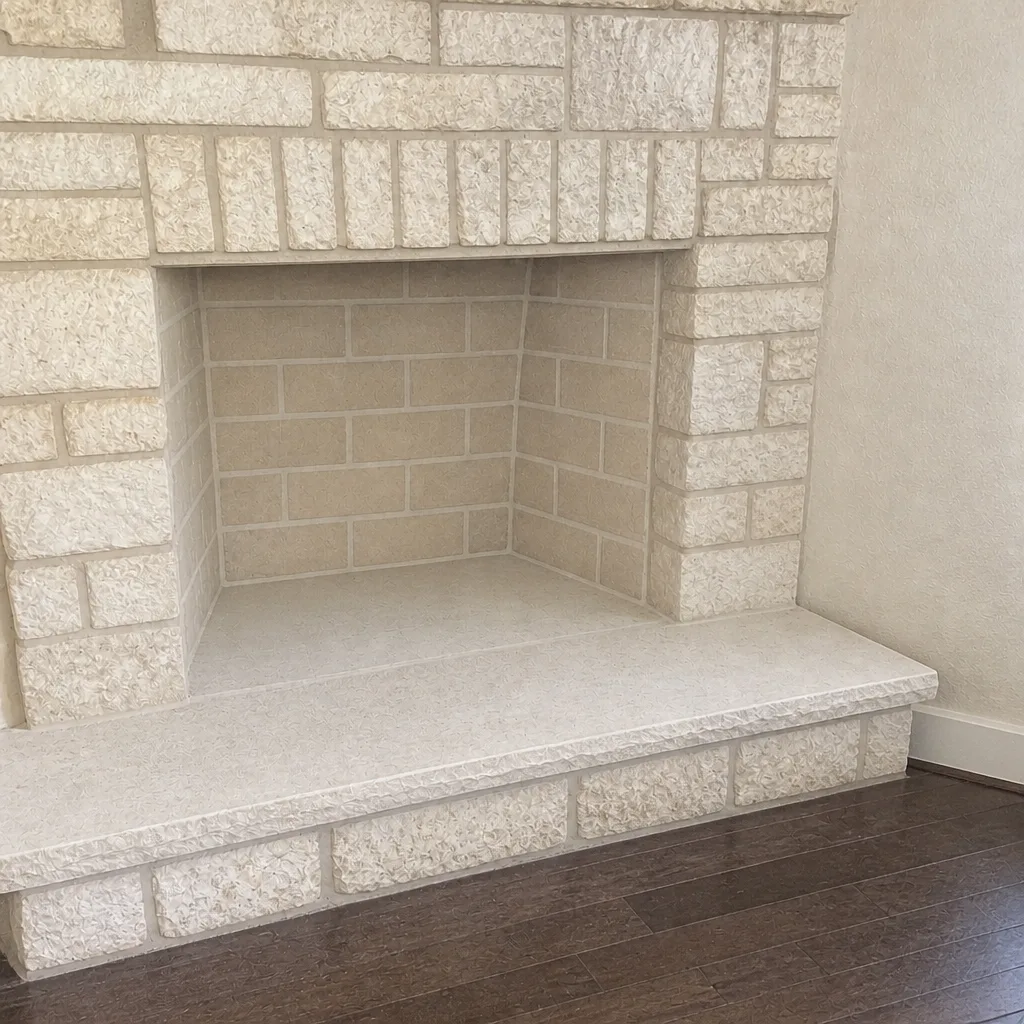 After
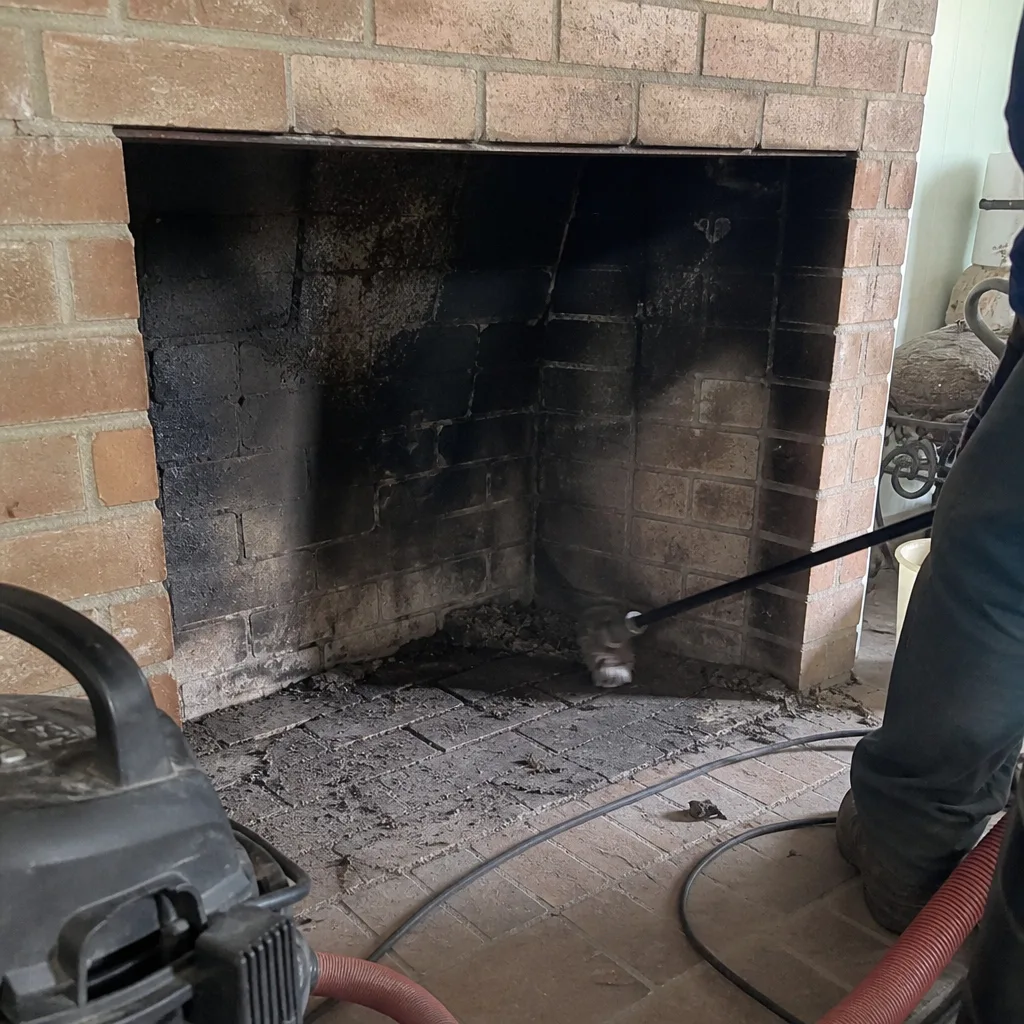 Before
 After
 Before
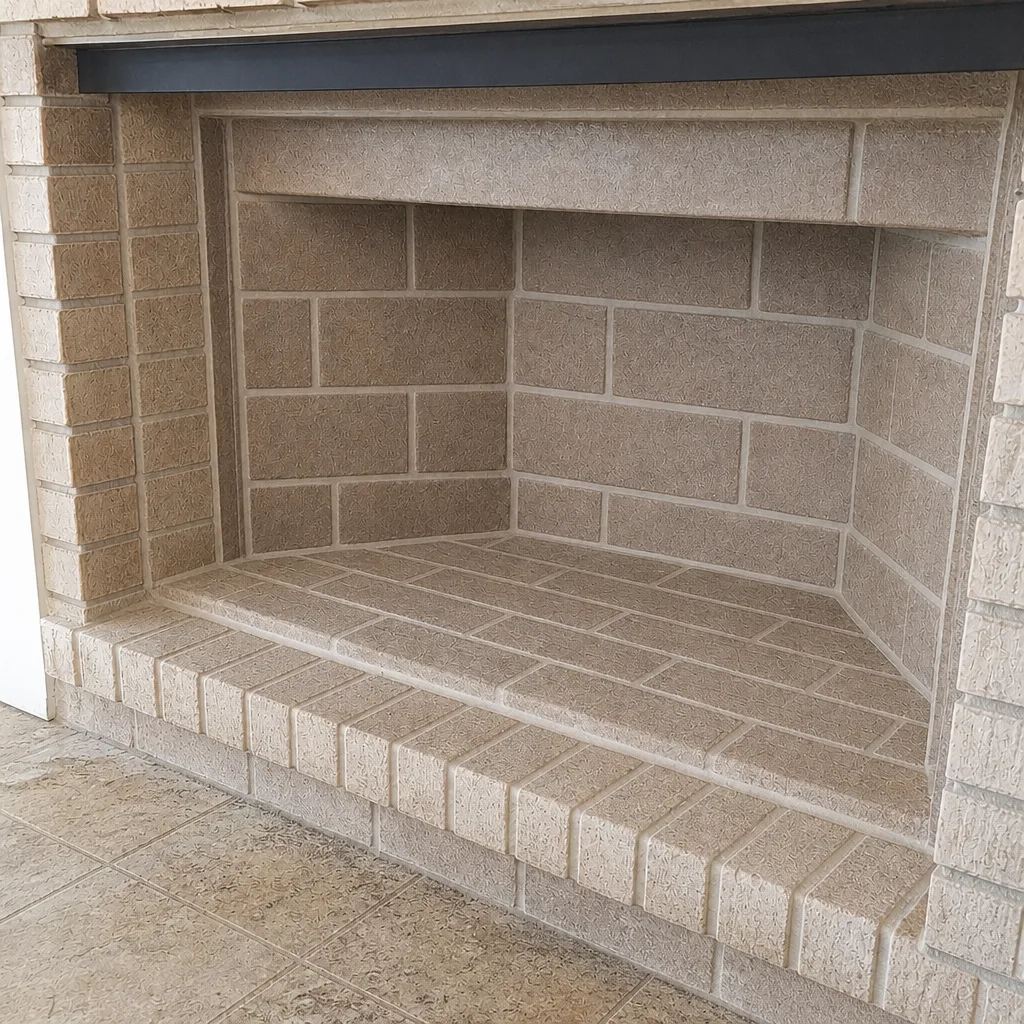 After
When to Call a Professional
Most Brownsville homeowners should book a professional sweep and inspection at least once before each burning season, and more often if they burn frequently. Call sooner if you notice any of these: a strong smoke smell in the house after a fire, soot staining around the firebox or on the exterior, visible creosote accumulation, a draft that’s new or that’s reversed, water staining on the masonry, a loose or rusted cap, or pest activity in the flue. Also call if you’ve never had the chimney inspected and don’t know its history, or if you’re buying a home with a fireplace.
If you’ve been cleaning the flue yourself and haven’t had a camera inspection, that’s a good reason to book one. It’s not a criticism of the cleaning; it’s a way to close the information gap. Parkway Chimney Sweep offers free estimates in Brownsville. Call (877) 729-8794. We answer 24/7. Fast dispatch from 7am to 7pm, Sunday through Friday.
Frequently Asked Questions
A professional chimney sweep in Brownsville typically runs $150 to $350, depending on the flue configuration and whether a camera inspection is included. The written estimate sets the final price, and it should cover both the sweep and the inspection. Call (877) 729-8794 for an exact quote; estimates are free.
You can do a DIY clean that removes loose soot, but you can’t assess creosote stage, liner condition, or moisture damage without professional equipment and training. Skipping the professional service isn’t unsafe in itself; it just leaves you without the information that determines whether your chimney is safe. If the flue has only a thin film and no history of problems, a DIY clean may be reasonable between professional visits. Call (877) 729-8794 to discuss your specific situation.
Most Brownsville homeowners should have the chimney swept and inspected at least once a year, before the burning season, and more often if they burn frequently or notice any problems. The humid climate makes an annual check especially worthwhile, because moisture damage can progress without warning signs you’d notice from the firebox. Call (877) 729-8794 to book a sweep.
Skipping the inspection means creosote can progress to the glazed stage, liner cracks can go undetected, and moisture damage can advance, all without any visible sign from the firebox. The risks are chimney fires from advanced creosote and heat or gas reaching framing through a failed liner, both of which are serious and both of which a camera inspection exists to prevent. Call (877) 729-8794 for a free estimate.
You need a new liner only if the camera inspection shows cracks, gaps, or a failed joint that a repair can’t address, and a reputable company will show you the footage before recommending one. Many homeowners don’t need a full reline; some need a localized repair, and some need HeatShield ceramic resurfacing rather than a full liner. Ask to see the evidence. Call (877) 729-8794 if you’d like a second opinion.
DIY cleaning can be reasonable for light soot removal between professional visits, but it isn’t enough on its own in Brownsville’s humidity, where the real risks are moisture damage and hidden liner cracks. Think of DIY work as maintenance between sweeps, not a replacement for the annual inspection. Call (877) 729-8794 to schedule a professional visit and compare.
The Bottom Line
The DIY versus professional chimney cleaning question is really a question about information. A brush removes soot; it doesn’t tell you the creosote stage, the condition of your liner, or whether moisture has been working on your flue tiles. Those are the failure points that matter, and in Brownsville’s humidity they progress quietly. DIY upkeep between visits is genuinely useful for light surface work and a visual cap check. But for a homeowner who wants to know the chimney is safe before the burning season, a professional sweep and inspection is the more useful investment, because it produces a diagnosis you can act on and see for yourself.
Parkway Chimney Sweep is a dedicated chimney specialist. We handle the chimney sweep, the chimney repair, and the inspection under one roof, and we source our trade materials from professional chimney brands, not hardware-store substitutes. All repair and lining work uses products like DuraFlex, HeatShield, Gelco, Olympia Chimney, Famco, and Copperfield, selected for the flue rather than adapted from general construction. You’ll know exactly what’s going into your chimney and why, and you’ll see the evidence behind every recommendation. Our technicians have up to 14 years of experience.
Ready to book a sweep, an inspection, or a free estimate? Call Parkway Chimney Sweep at (877) 729-8794. We answer 24/7. Fast dispatch from 7am to 7pm, Sunday through Friday. Start with a free estimate and find out what your chimney is actually telling you.
Written by the team at Parkway Chimney Sweep.