
Last updated November 16, 2026
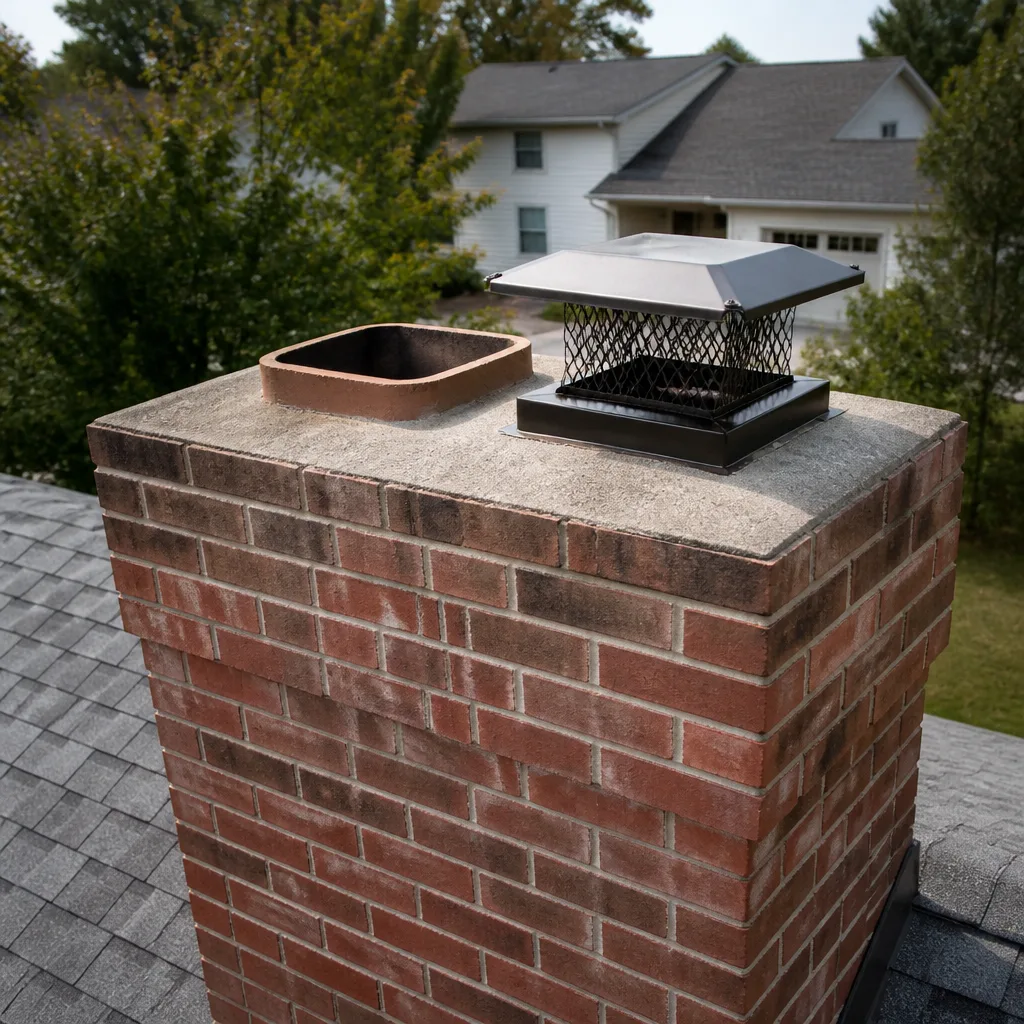 Sweep & inspection
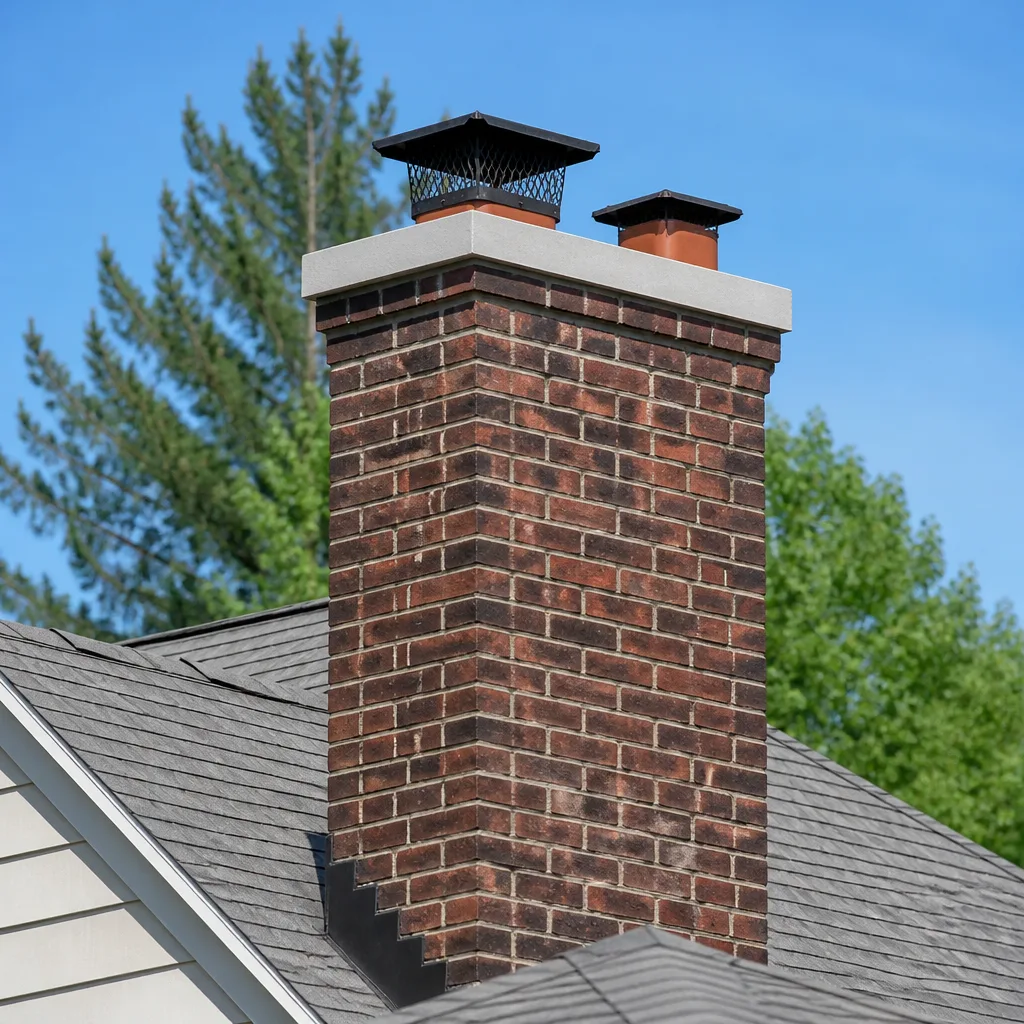 Caps & crowns
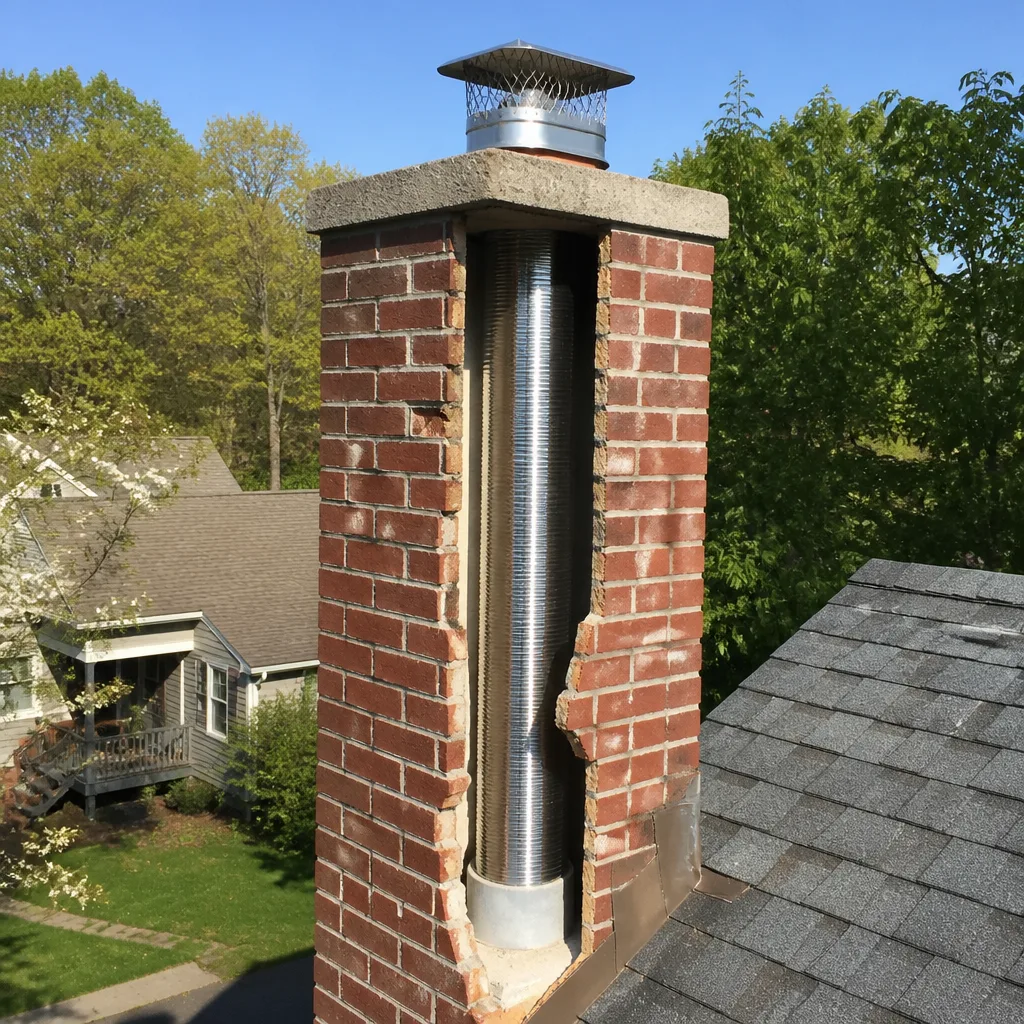 Flue relining
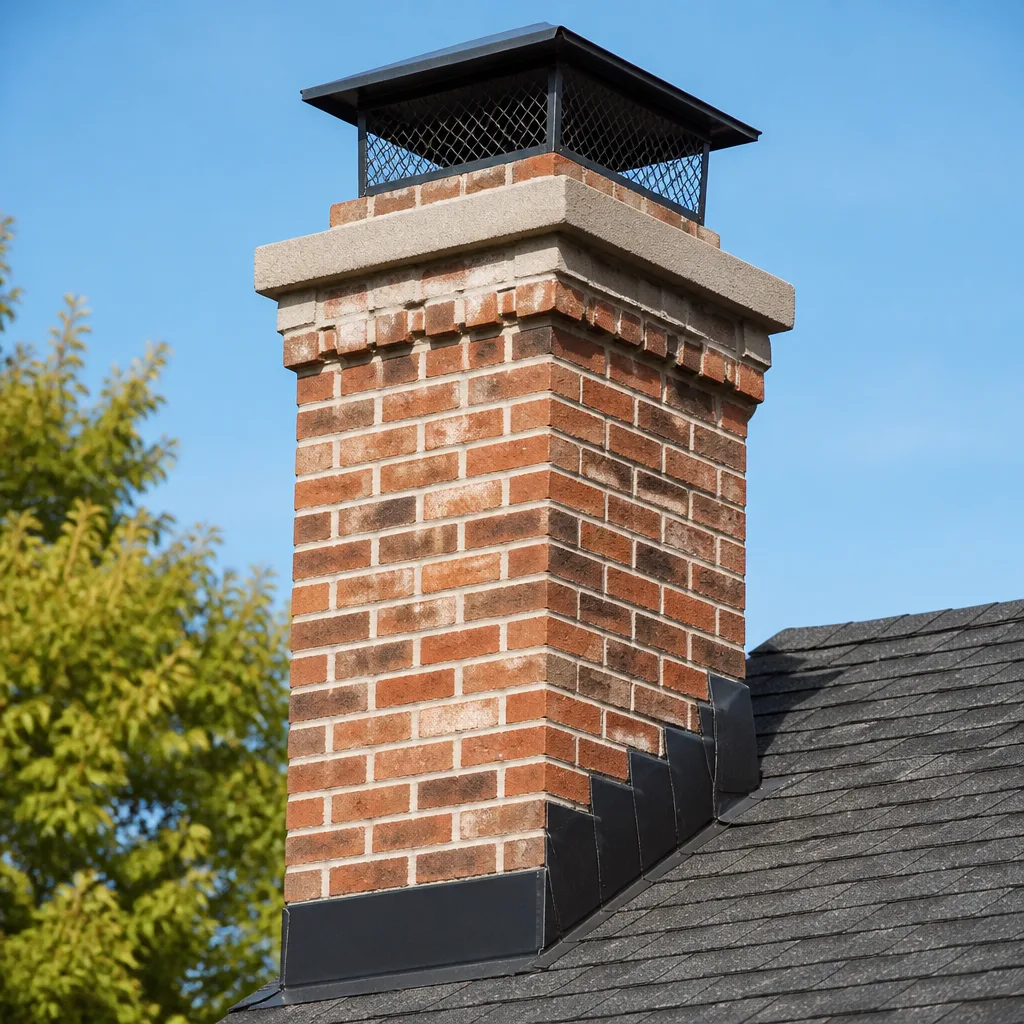 Masonry repair
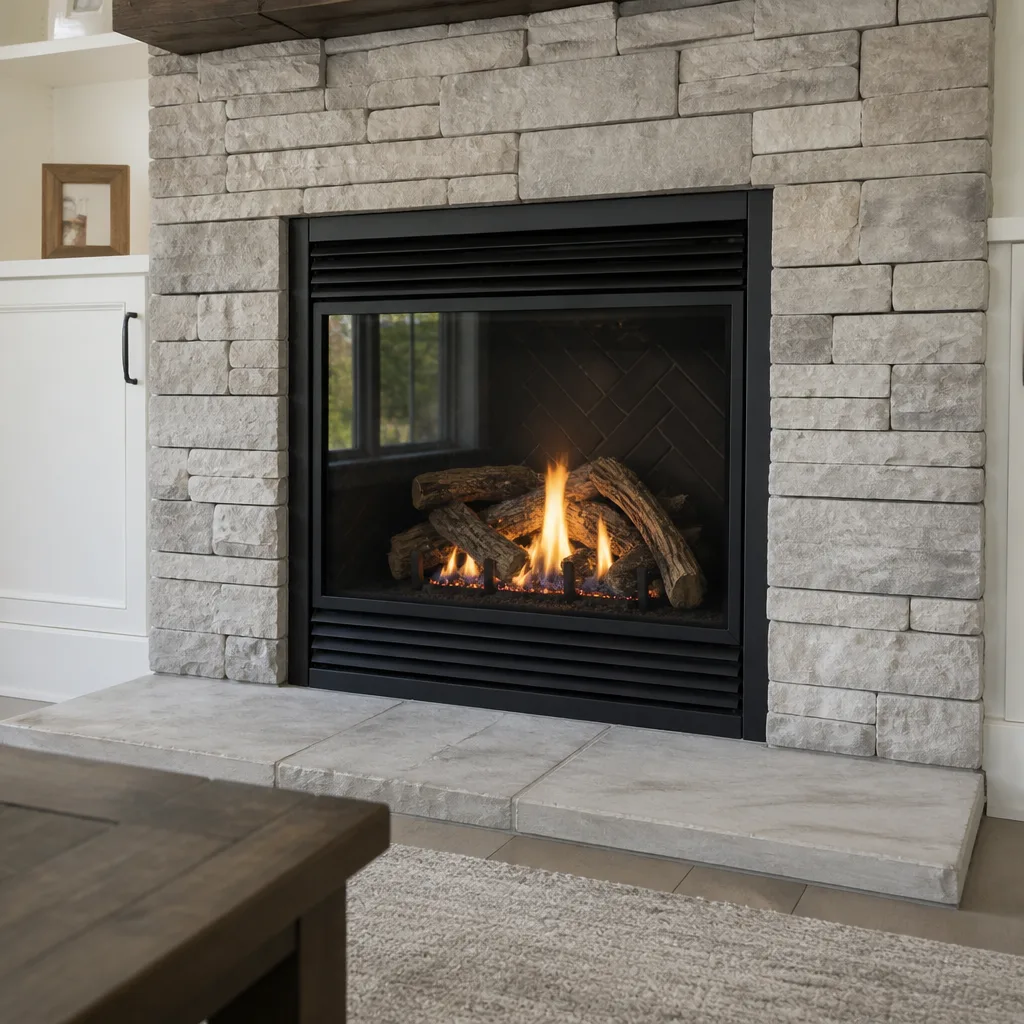 Gas fireplace service
Level 1 sweep and inspection to the NFPA 211 annual standard - flue, crown, cap, and flashing checked and photographed
Chimney sweep logs do not sweep chimneys. They loosen some creosote - which then falls where a brush and vacuum still have to collect it.
Choosing the Right Chimney Cleaning Brand: A Buyer’s Guide for Brownsville
When a contractor replaces your chimney cap, you’ll probably never ask what brand it is. That’s the gap this guide closes. A galvanized steel cap from a big-box shelf and a stainless steel cap built by a professional chimney supplier are both “chimney caps,” but one can outlast the other by two decades in Brownsville’s humid Gulf air. The brush, the rods, the sealant, the liner, the cap: each one decides how long the work holds up. Here’s what the industry’s respected manufacturers are actually known for, how to ask a contractor where their materials come from, and why Brownsville’s climate makes those answers matter more than they would in a drier region.
Quick Answer
Chimney cleaning products aren’t a commodity. Professional-grade brands like HeatShield, Gelco, Olympia Chimney, Famco and Copperfield make materials engineered specifically for flue conditions, thermal cycling and weather exposure, while hardware-store substitutes are adapted from general construction stock. For Brownsville’s high humidity and occasional-use burning pattern, the brand behind your cap, liner or sealant is the single strongest predictor of how long the repair lasts.
Styles & brands we work with
- Sweep & inspection
- Caps & crowns
- Flue relining
- Masonry repair
- Gas fireplace service
Table of Contents
- Which chimney brands are respected, and what is each known for?
- Why does stainless steel versus galvanized matter in Brownsville?
- How do you ask a contractor about product sourcing?
- What’s the difference between professional creosote treatment and a drugstore log?
- What should you look for in a chimney liner brand?
- Do brushes and rods really vary by brand?
- How does Brownsville’s climate change the calculus?
- What questions should you ask before booking?
Which chimney brands are respected, and what is each known for?
Most homeowners never hear a chimney brand name until something fails. That’s backward. Knowing a handful of manufacturers and their specialties lets you follow a contractor’s material choices the way you’d follow a mechanic’s parts list. Here’s the roster you’ll encounter in professional chimney work, and the niche each one fills.
- HeatShield is known for ceramic-based flue resurfacing. It’s a repair system for damaged clay tile liners that restores the flue interior without demolishing the chimney. When tiles are cracked or spalled but the chimney structure is sound, resurfacing is often the least invasive fix.
- DuraFlex specializes in flexible stainless steel liner systems. These are the corrugated, round-to-oval liners that get pulled down an existing flue to form a new, continuous exhaust path. It’s a trade standard for relining.
- Gelco makes chimney caps and chase covers with a weatherproofing focus. Their products are designed around excluding water and animals, not just topping the flue.
- Famco is another dedicated cap and cover manufacturer. Like Gelco, their catalog is built for chimney protection rather than adapted from roofing or sheet metal stock.
- Olympia Chimney and Copperfield supply through wholesale trade channels used by chimney professionals. Sourcing from these distributors is one signal that a contractor buys from the trade rather than the home improvement aisle.
The pattern matters more than any single name: these are companies whose entire business is chimney components. They don’t make siding and happen to sell caps. That specialization shows up in material thickness, weld quality and how the product handles heat and moisture. At Parkway Chimney Sweep, these are the brands we source from, and the reason is simple. Chimney work is all we do, and the parts should match.
Why does stainless steel versus galvanized matter in Brownsville?
Metal choice is the most consequential decision in a chimney cap or liner, and it’s the one homeowners most often overlook. Brownsville sits in a humid Gulf Coast climate where the air carries moisture year-round and salt moves inland on the prevailing winds. That’s a punishing environment for any ferrous metal, and it separates the grades quickly.
Here’s how the three common materials behave:
- Galvanized steel. A zinc coating over carbon steel. It’s cheap, and it’s what most hardware-store caps are made from. The zinc layer protects the steel only until it’s scratched or worn through, and in humid, salt-bearing air that happens faster than most people expect. Once the coating fails, rust starts and the cap begins to fail structurally.
- Aluminum. Won’t rust the way steel does, but it’s soft. It dents, and it’s prone to corrosion pitting in coastal humidity. It’s a reasonable budget choice inland, less so near the Gulf.
- Stainless steel. The professional standard for coastal and humid climates. It resists corrosion without a sacrificial coating, holds its shape, and holds up over decades. It costs more up front. In Brownsville’s air, it’s usually the only grade worth installing.
The same logic applies to liners. A flexible liner’s outer wrap and alloy determine whether it survives the moist, sometimes acidic condensate that forms inside a flue. In a drier climate you might get away with a lower grade. In Brownsville, you want the stainless option, and you want to know its grade before it goes in.
How do you ask a contractor about product sourcing?
The question is simple: “Where do you buy your chimney materials?” The answer tells you almost everything. A contractor sourcing from a chimney industry distributor is buying components designed for flues. A contractor sourcing from a big-box home improvement store is buying general construction stock and adapting it. Those materials might fit, but they weren’t engineered for heat cycling, creosote exposure or the moisture load of a working flue.
Here’s how to have that conversation without it feeling like an interrogation:
- Ask what brand the cap or liner will be. A professional should be able to name it on the spot. Hesitation is information.
- Ask whether the material is stainless or galvanized. If they can’t tell you, that’s a red flag in Brownsville’s climate.
- Ask where they source it. Trade distributor and manufacturer-direct are good answers. “Whatever’s at the store” is not.
- Ask why that brand over another. A specialist has a reason. A generalist guesses.
- Ask what the warranty on the material covers. Manufacturer warranties vary, and the contractor should know what theirs does and doesn’t include.
A few minutes of this conversation tells you more than any website. It also filters out the handyman who sweeps chimneys as a side job and buys whatever’s on the shelf. Most of the chimney work a homeowner needs, from chimney repair to a straightforward sweep, depends on materials that fit the flue. The brand is the proof.
What’s the difference between professional creosote treatment and a drugstore log?
It helps to understand what creosote actually is. When wood burns, the smoke carries unburned tar and gases up the flue. As they cool, they condense on the flue walls. Fresh creosote is sticky and flaky. As it cures and reheats, it hardens into a glazed, tar-like layer that clings to the tile. That glaze is the most flammable form, and it doesn’t come off with a brushing alone.
Two product categories address this, and they are not equivalent:
- Professional-grade chemical treatments are formulated to break down the bond between creosote and the flue surface. Applied correctly, they soften hardened deposits so a sweep can remove them. These are specialty products, used by people trained in how to apply them, and they’re part of a full cleaning process rather than a substitute for one.
- Drugstore chimney logs are designed to reduce fresh creosote formation during burning. They’re a maintenance aid. They don’t remove glazed creosote, and they don’t replace a sweep. Used alongside regular burning practices, they can slow buildup. Used instead of a sweep, they do nothing.
When is each appropriate? A maintenance log can be a reasonable supplement for someone burning regularly and keeping up with sweeps. A professional treatment is for a flue with heavy or glazed buildup that a brush won’t handle. In Brownsville, where many fireplaces see occasional use during the brief cool season, glazed creosote is less common than in cold-climate homes, but cracked tiles and moisture are a bigger issue. That’s why an inspection should come before any treatment decision. You can’t treat what you haven’t seen.
What should you look for in a chimney liner brand?
A liner is the most consequential component in the chimney system. It carries the exhaust out and shields the surrounding structure from heat. Its brand, gauge and installation method determine whether it lasts decades or fails early. Here’s what matters.
- Flexibility and durability ratings. A flexible liner has to negotiate bends and offsets in an existing flue. Brands publish their flexibility specs, and a professional should know them. A liner that fights the flue during installation is a liner that wears prematurely.
- Gauge. Wall thickness, usually measured in thousandths of an inch, determines how the liner handles heat and abrasion. Thinner is cheaper and shorter-lived. For Brownsville’s occasional-use, high-humidity pattern, you want the thicker grade, because corrosion resistance and heat cycling both improve with wall thickness.
- Warranty terms. Manufacturer warranties vary by grade, and the best warranty on paper is worthless if the installation voids it. Ask what the manufacturer requires and whether the installer meets those conditions.
- Alloy specification. The stainless grading matters. Ask what grade is being installed and why it suits your chimney.
- Installation certification requirements. Some liner warranties depend on installation by a qualified, certified installer. Confirm the requirements before commitment.
The right liner for a Brownsville flue isn’t about the lowest bid. It’s about a brand whose flexibility, gauge and warranty hold up in a humid climate where the flue sees moisture, occasional burning and the cycles that come with it. DuraFlex systems are one standard, and there are others. What matters is that your contractor can name the brand, the gauge, and the reason.
Do brushes and rods really vary by brand?
The brush is the simplest product in the chimney trade, and the one homeowners think about least. But brush selection is a real decision. A brush that’s too stiff can damage a clay tile liner, and one that’s too soft won’t lift the deposits. The rods that drive the brush need to be flexible enough to follow the flue and stiff enough to transmit force without kinking.
Professional brush options come in poly, wire and hybrid styles, each matched to the flue type. Poly brushes are standard for clay and stainless liners because they don’t scratch. Wire brushes are for heavy buildup, used with care. Hybrid brushes combine both, and a good sweep will tell you which they’re using and why. It’s a small detail with real consequences, especially for older flues where the tile glaze is already worn.
A sweep that shows up with a single generic brush in hand is a sweep that isn’t matching tools to the chimney. The brand and style of brush tells you how seriously they take the job. When you book a chimney sweep in Brownsville, it’s fair to ask about this.
How does Brownsville’s climate change the calculus?
Brownsville’s climate is humid and warm for most of the year, with a brief cool season when fireplaces actually see use. That pattern has consequences for chimney materials that differ from a cold-climate region.
In a place with long, hard winters, the chimney runs constantly and dries itself through heat. In Brownsville, the fireplace often sits idle for months, and during those idle months the flue is a cool, moist environment. Moisture settles on the interior surfaces. Masonry and clay tile absorb it. Rust-prone metal parts corrode faster. When the cool season comes and the fireplace is used, that moisture heats up and drives out as vapor, and the cycle starts again. This is the second reason material quality matters more here: the chimney is exposed to repeated wetting and drying, not continuous dry heat.
The practical outcomes:
- Stainless steel caps and liners outlast galvanized by a wide margin in these conditions.
- Cracked tile and damaged flue joints, which let moisture deeper into the masonry, are worth addressing early rather than watching.
- Water-shedding accessories, like a properly fitted cap, do more work in Brownsville than in a drier market because the risk is moisture, not cold.
This is where brands become practical. A Gelco or Famco cap is designed around water exclusion and animal exclusion, which is exactly the job here. A HeatShield resurfacing repair, when appropriate, addresses the damaged tile that lets moisture in. These choices are why working with a specialist matters in Brownsville’s climate, and they’re the same reasons the trade itself sources from dedicated chimney manufacturers.
What questions should you ask before booking?
You don’t need to be a chimney professional to ask the right questions. You just need to know what a good answer sounds like. Here’s the short list.
- “Can you name the brand of cap or liner you’d install?” A trained specialist can. A generalist often can’t.
- “Is that stainless, galvanized or aluminum?” For a Brownsville chimney, the answer should reflect the humid, salt-bearing climate.
- “Is the sweep included in the visit, or is it a separate service?” A chimney-only operation handles the full arc: inspection, sweep, and repair.
- “What does your inspection include?” A proper inspection looks at the flue interior, the cap, the crown, and the firebox.
- “Do you source from a chimney trade distributor?” Olympia Chimney and Copperfield are examples of trade channels, and the answer tells you whether materials are engineered for flues.
- “Are you licensed and insured?” In Texas, this is a baseline question, not a bonus one.
Listen to how the answers come. Confidence and specificity are good signs. Vague reassurances, and a pitch built on price alone, are not. Asking about brand and sourcing isn’t being difficult. It’s being a customer who understands what’s going into their chimney and why.
Common Mistakes to Avoid
- Choosing on price alone. The lowest bid usually means the cheapest materials. A galvanized cap that fails in a few years costs more in total than a stainless one that lasts. In Brownsville’s humidity, that gap is larger than in drier markets.
- Not asking what the product brand is. If a contractor can’t name the brand, they either don’t know or don’t want to say. Either answer should give you pause.
- Assuming all caps are the same. A generic hardware-store cap and a Gelco or Famco cap are built to different standards. The difference shows in thickness, finish and how they shed water.
- Treating a drugstore chimney log as a sweep substitute. These products slow fresh creosote formation. They do not remove what’s already there. Glazed creosote needs a professional treatment and a sweep, and an inspection to know what’s actually present.
- Ignoring the flue interior because the firebox looks fine. The firebox is the visible part. The flue is where the damage hides. An inspection is the only way to know.
- Buying a liner on gauge alone. Gauge matters, but so do alloy, flexibility rating and whose certified installation the warranty requires. All four determine whether the liner holds up.
- Booking a sweep without a follow-up plan for damage. A sweep that turns up cracked tiles needs a repair path. Chimney work is one system, and the best time to find out is before the cool season.
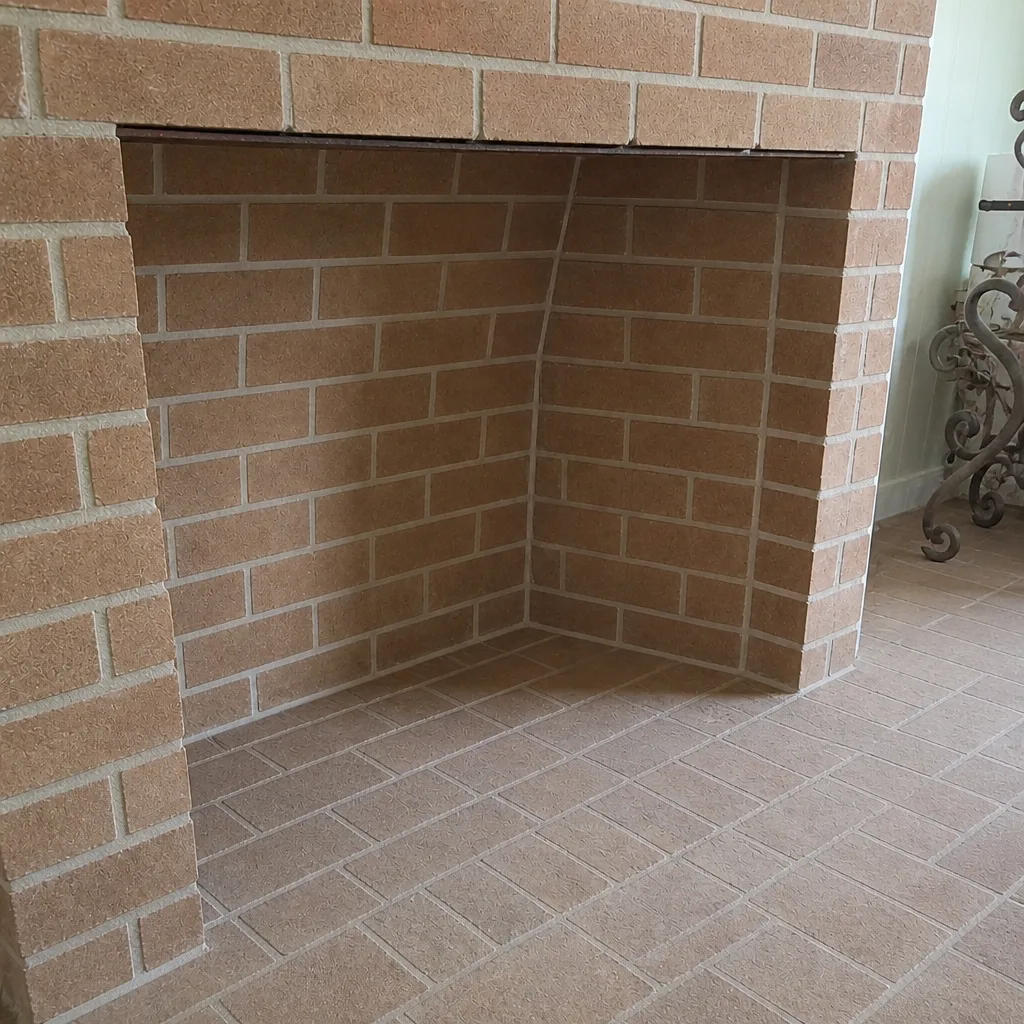
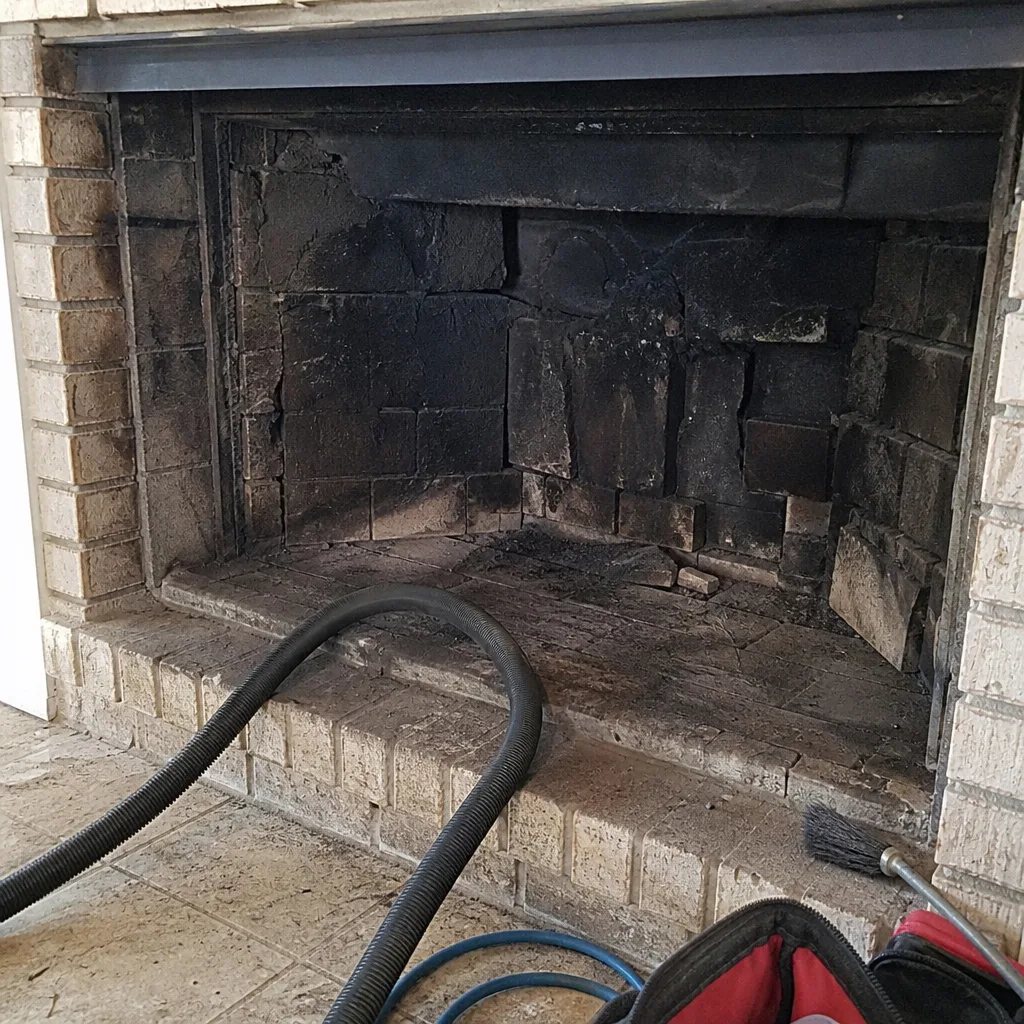
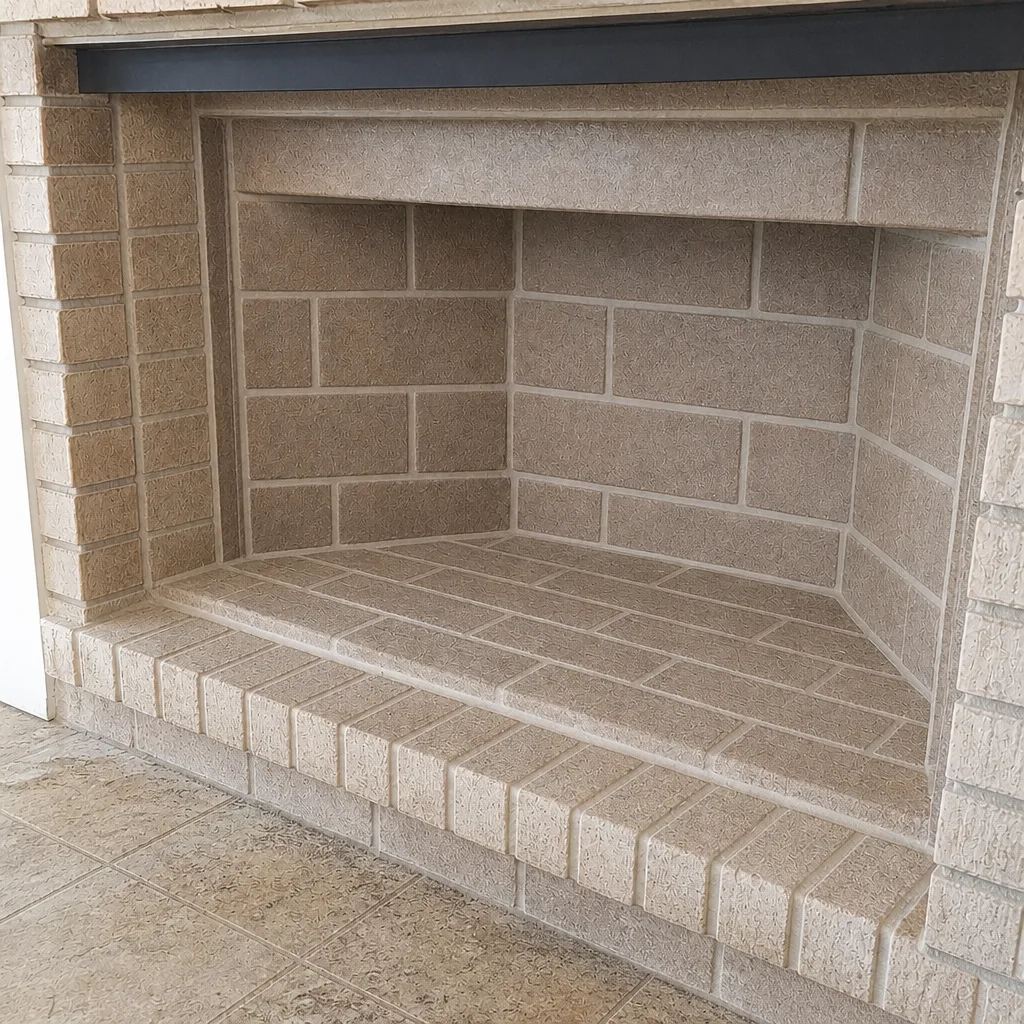
See the difference
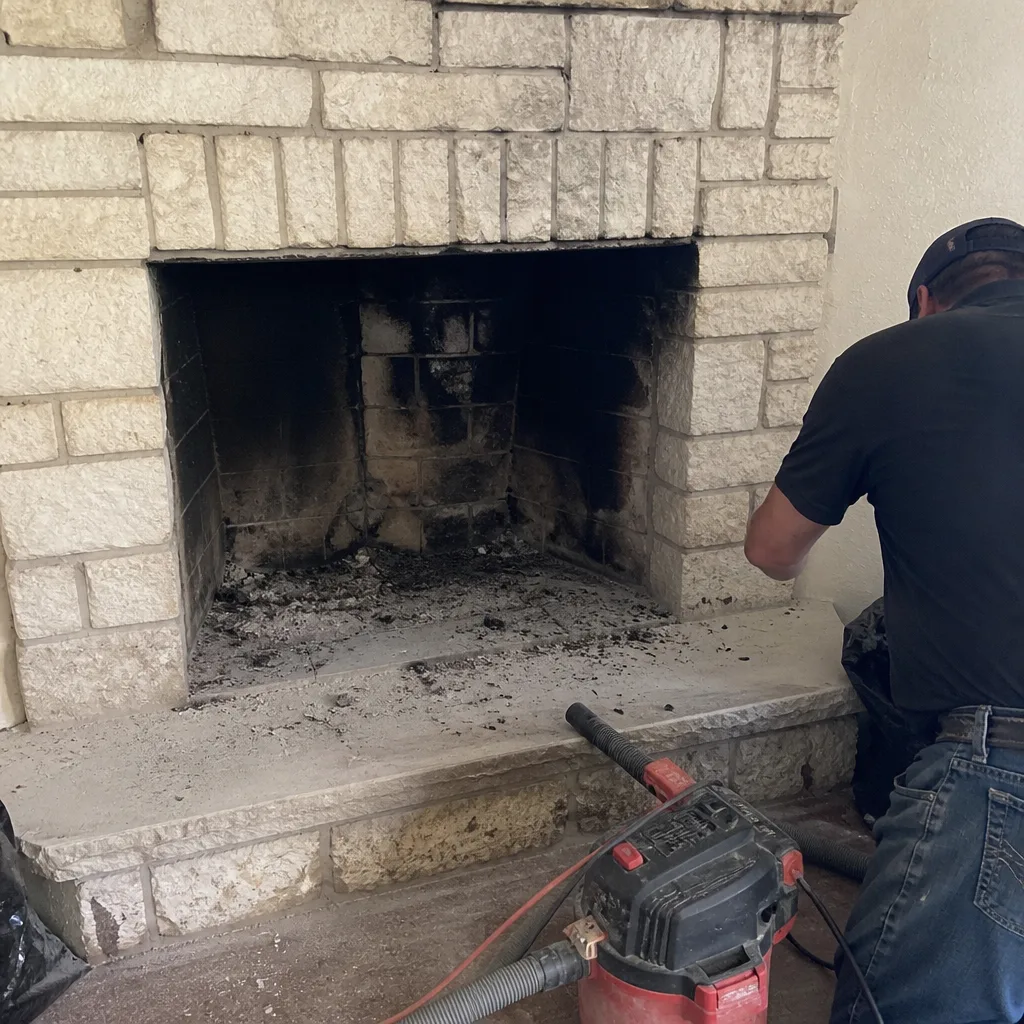 Before
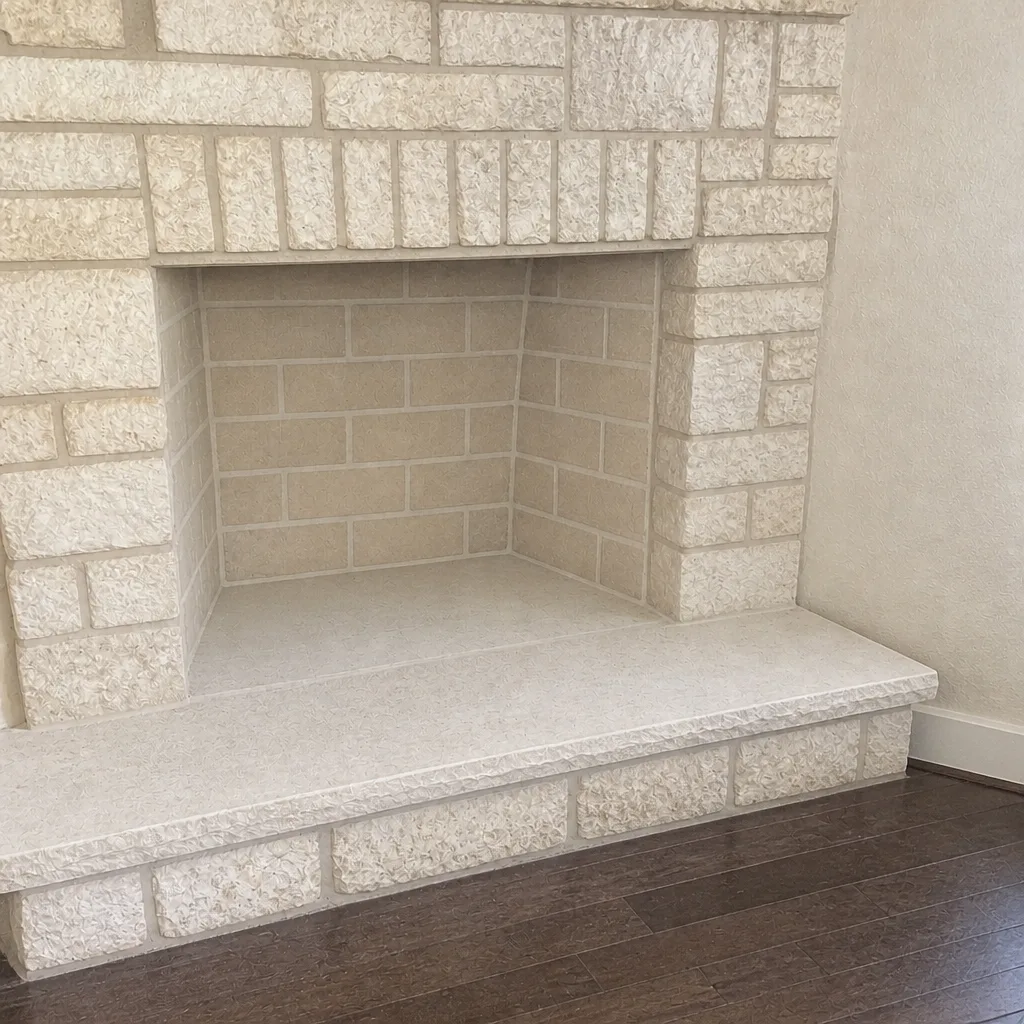 After
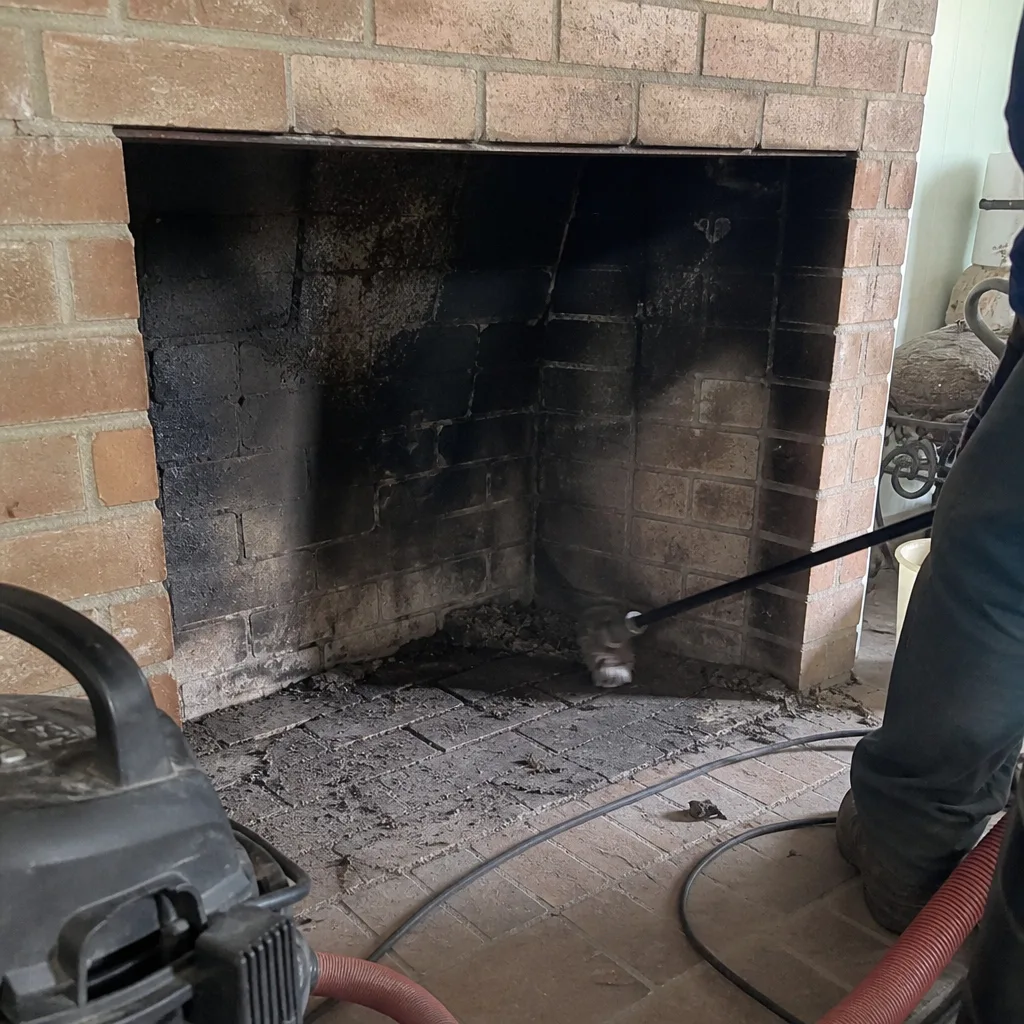 Before
 After
 Before
 After
When to Call a Professional
Some jobs are obvious calls. A cap that’s blown off or rusted through is a phone call, not a project. A flue that smells of creosote year-round, or a firebox with cracked mortar, warrants an inspection before the next burning season. And if you’ve never had the chimney inspected, that alone is reason enough, regardless of how new the house is.
The less obvious calls matter too. A contractor who can’t or won’t tell you what brand they’re installing is a contractor who’s making the decision for you by default. That’s the moment to ask a specialist. At Parkway Chimney Sweep, we handle inspection, sweep and repair under one roof, so there’s no need to coordinate multiple contractors to get a complete picture of your chimney’s health. Free estimates in Brownsville are available. Call (877) 729-8794.
Frequently Asked Questions
The most recognized names in professional chimney work are HeatShield for ceramic flue resurfacing, DuraFlex for flexible stainless liner systems, Gelco and Famco for caps and covers, and Olympia Chimney and Copperfield through wholesale trade channels. These manufacturers make chimney-specific products rather than adapting general construction materials. Knowing them lets you follow a contractor’s material choices with confidence.
Yes, and the gap is larger here than in drier regions. Brownsville’s humid, salt-bearing Gulf air attacks the zinc coating on galvanized steel quickly, and once the coating fails, rust takes hold. Stainless steel resists corrosion without a sacrificial layer and holds up over decades. For chimney caps and liners, stainless is the grade worth installing in this climate.
A chimney log is a maintenance aid that slows fresh creosote formation, while a professional-grade chemical treatment softens hardened or glazed deposits so a sweep can remove them. If you have glazed creosote, a log won’t remove it. The right answer depends on what an inspection finds, and you’ll know that only after the flue is actually looked at.
Ask directly: where do you buy your materials, and what brand are you installing? A professional can name the brand and the sourcing channel. The answer should be a chimney trade distributor or manufacturer, not a big-box store. Vague answers and generalized reassurances are your cue to keep looking.
Four things: flexibility rating, wall gauge, alloy grade and warranty terms tied to certified installation. In Brownsville’s high-humidity, occasional-use pattern, the thicker and more corrosion-resistant grades are worth the increment. A contractor who can address all four, not just price, is a contractor who understands the system.
An annual inspection is the standard for any chimney that sees regular use, and it’s a good idea even for occasional burning. Inspections catch cracked tile, damaged caps and creosote buildup before they become repairs. In Brownsville’s humid climate, moisture damage is the issue to watch, and an inspection is the only reliable way to spot it early.
The Bottom Line
Chimney cleaning products are not interchangeable, and in Brownsville’s humid Gulf climate the difference is amplified. Stainless steel outlasts galvanized. Trade-grade caps and liners outlast hardware-store substitutes. Professional creosote treatment addresses what a drugstore log can’t. The thread running through all of it is sourcing: the brands behind the brush, the cap, the liner and the sealant decide how long the work holds. Ask your contractor what they install and why. The answer tells you whether you’re getting a chimney system built for the job, or a patch that won’t last through the next rainy season.
If you’d like a straight conversation about what’s going into your chimney, we’re happy to have it. Call Parkway Chimney Sweep at (877) 729-8794 for a free estimate in Brownsville, or read more about our Brownsville service area and the work we do. We answer 24/7. Fast dispatch from 7am to 7pm, Sunday through Friday.
Written by the team at Parkway Chimney Sweep.