
Last updated November 16, 2026
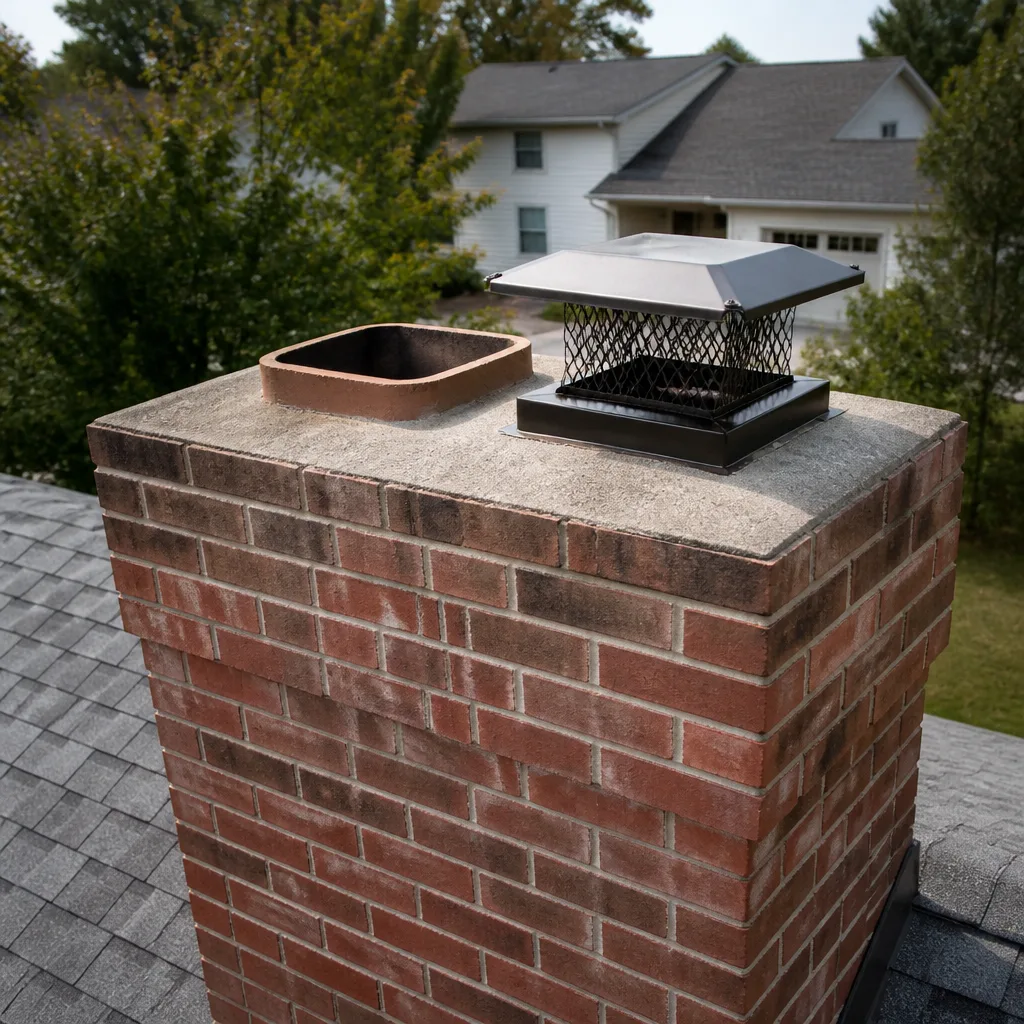 Sweep & inspection
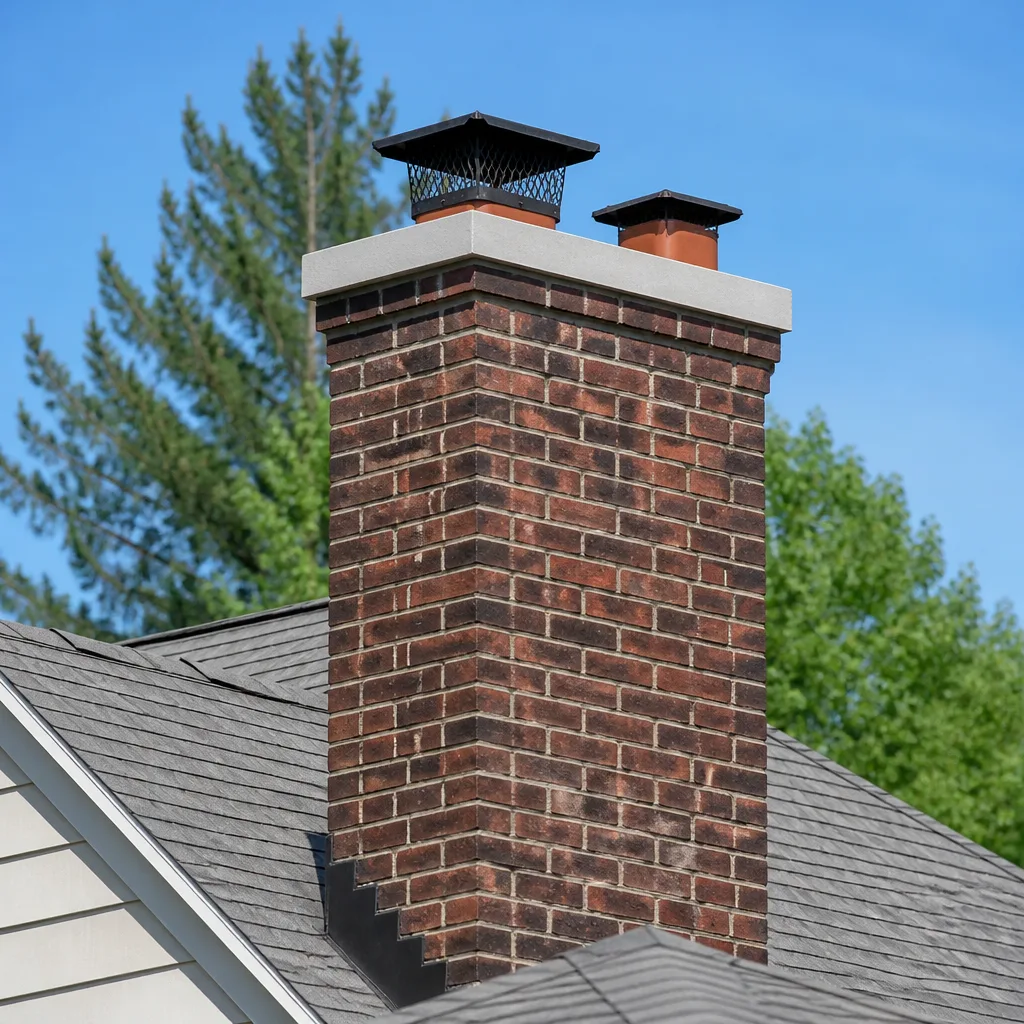 Caps & crowns
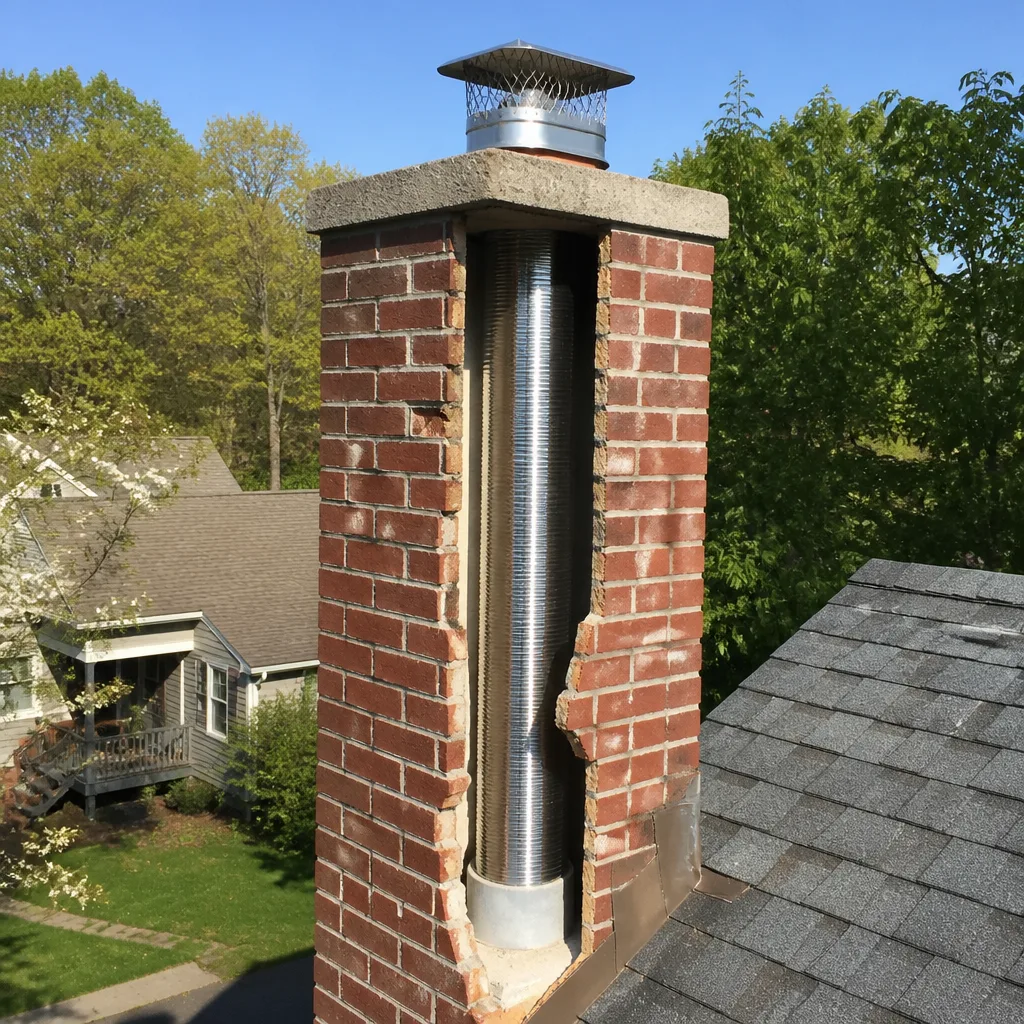 Flue relining
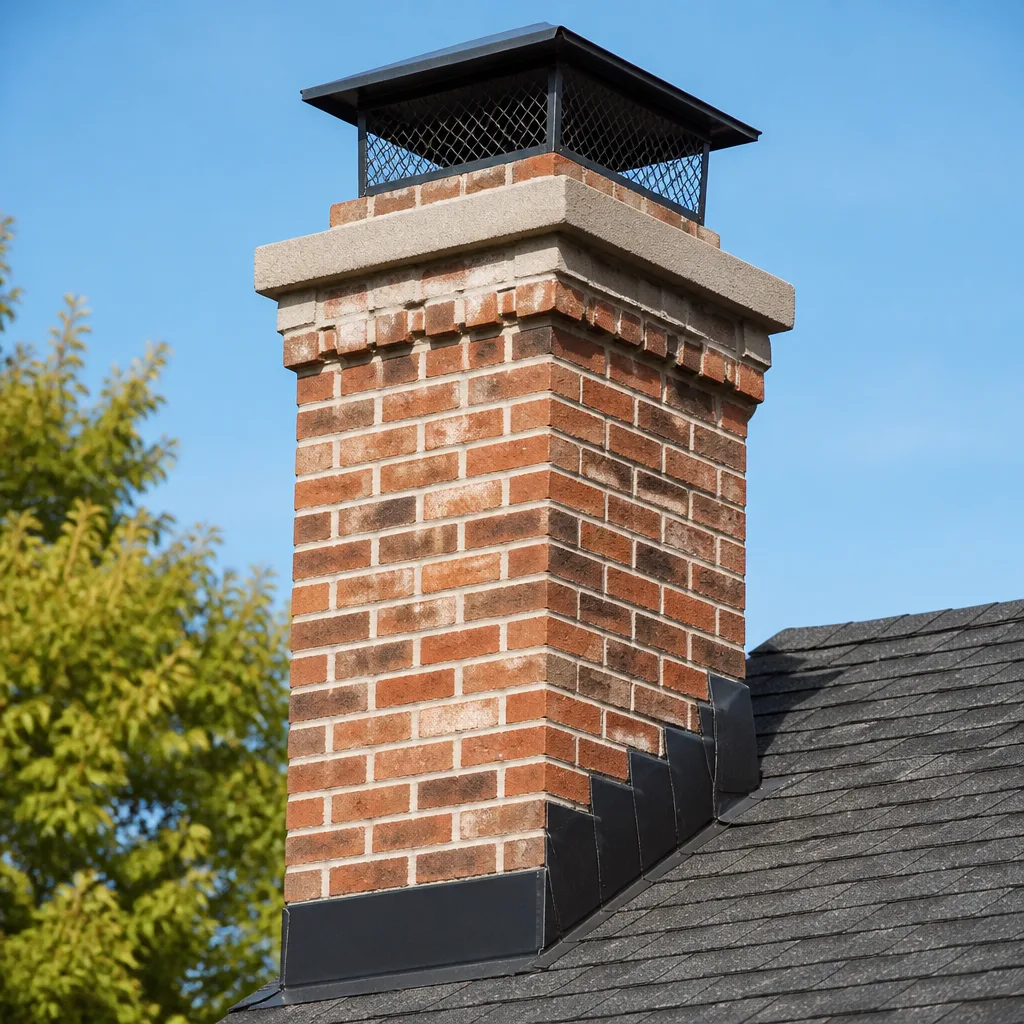 Masonry repair
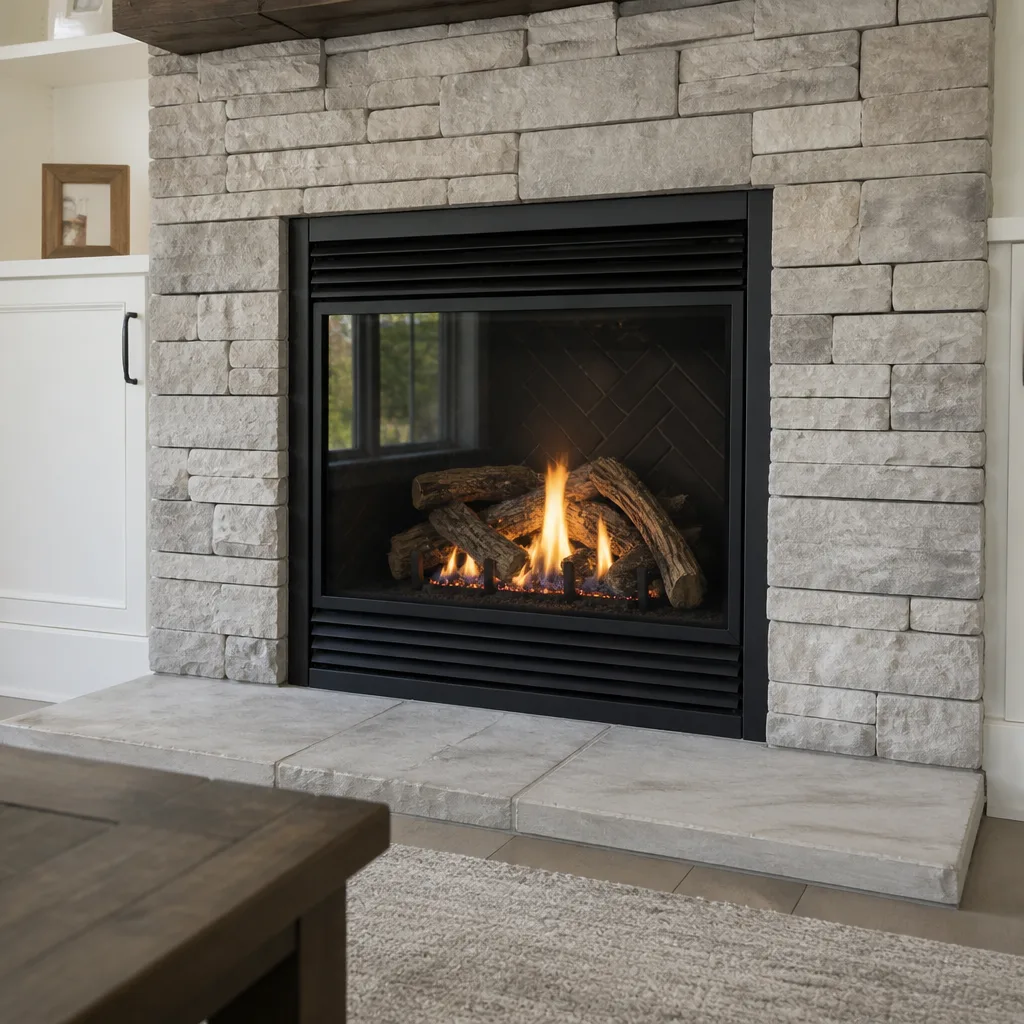 Gas fireplace service
Level 1 sweep and inspection to the NFPA 211 annual standard - flue, crown, cap, and flashing checked and photographed
Chimney sweep logs do not sweep chimneys. They loosen some creosote - which then falls where a brush and vacuum still have to collect it.
Seasonal Chimney Cleaning Care for Brownsville: Year-Round Homeowner’s Guide
If you schedule chimney maintenance in November like most national guides tell you, you’ve already missed the season that does the most damage to a Brownsville chimney, and it has nothing to do with fire. In this humid subtropical climate, the months that punish a chimney hardest are the wet ones, when wind-driven rain, long stretches of damp air, and tropical weather work on caps, flashing, and mortar joints instead of on creosote. Fire risk is real during the short cool season, but moisture is the year-round opponent. This guide walks you through Brownsville’s actual chimney calendar: what to inspect after a storm, when to book the pre-burn sweep, what happens inside a flue during the humid stretches, and how to close out the season in spring.
Quick Answer
Chimney care in Brownsville follows a four-part calendar, not a single annual sweep. Book an inspection and cleaning from late September into October, before the short cool season starts; check the cap, flashing, and masonry after any named storm from June through October; watch for internal condensation and liner corrosion during the humid summer months; and run a post-season check in spring for cap integrity, pest evidence, and flashing. One well-timed inspection in early fall catches most of what a Brownsville chimney needs before you ever light a fire.
Styles & brands we work with
- Sweep & inspection
- Caps & crowns
- Flue relining
- Masonry repair
- Gas fireplace service
Table of Contents
- Why Brownsville’s Chimney Calendar Doesn’t Match National Guides
- June Through October: Storm Season Is Chimney Season
- The Pre-Burn Window: Late September to October
- Summer Moisture: Condensation, Mortar, and Liner Corrosion
- Winter Burning Patterns and the Creosote Profile
- The Spring Post-Season Checklist
- What a Proper Sweep and Inspection Involves
- Why Trade-Grade Materials Matter in This Climate
Why Brownsville’s Chimney Calendar Doesn’t Match National Guides
Most chimney advice you’ll find online was written for a place with four distinct, cold months. It assumes a long burning season, heavy snow loads, and months of sustained freezing. Brownsville doesn’t work that way. Winters here are mild, the burning season is short and often interrupted, and the humid months run long. A chimney in Brownsville faces a different set of pressures than one in Ohio or upstate New York, and the maintenance schedule should reflect that.
Here’s the practical difference. In a cold climate, creosote buildup from steady, daily fires is the dominant risk, and the annual fall sweep is built around clearing it. In Brownsville, fires are occasional. You burn on the handful of genuinely cool nights, then the fireplace sits unused for weeks. That pattern changes how creosote forms, and it means the chimney spends far more of the year exposed to humidity, rain, and storm-driven moisture than to fire.
There’s a second factor specific to this region: hurricane season. From June through October, Brownsville sits in the path of tropical systems and the heavy rain bands that come with them. A chimney is one of the most exposed structures on a house, and its cap, crown, flashing, and masonry joints take the hit. A chimney that looks fine in early summer can have a cracked crown or lifted flashing by October, and you won’t know until water is already inside the flue.
So the honest answer to “how often should I have my chimney looked at in Brownsville?” is: at least once a year, but timed to the local calendar, plus a look after any serious storm. That’s the frame for everything below. If you want the full picture of what Parkway Chimney Sweep covers across inspection, cleaning, and repair, the rest of this guide is the seasonal version of it.
June Through October: Storm Season Is Chimney Season
For a Brownsville chimney, the highest-risk period of the year runs from June through October, when tropical storms and hurricanes move through the region. The danger isn’t the fire inside the flue. It’s the water outside it. Wind-driven rain finds every weak point on a chimney, and the components that fail first are predictable.
Here’s what to check after each named storm that passes through the area:
- The chimney cap. A cap that’s been lifted, dented, or torn loose lets rain straight down the flue. Look at it from the ground with binoculars before you assume it’s fine.
- The crown. The concrete or masonry top of the chimney cracks under thermal and moisture stress. A hairline crack is a slow leak. A wider one is a fast one.
- Flashing. The metal that seals the chimney to the roof is where most water intrusion starts. Lifted or missing flashing shows up as a stain on the ceiling near the chimney, not always at the chimney itself.
- Mortar joints. Wind-driven rain drives into joint lines, and repeated wetting and drying loosens mortar over the season. Crumbling joints are a structural issue, not just a cosmetic one.
- The firebox and damper area. Water that gets past the cap or crown often pools in the firebox. Look for dampness, rust, or a musty smell after a storm.
Wind is the other half of the problem. A storm doesn’t have to bring a direct hit to cause damage. Debris blown against the cap can block the flue, and branches can crack the crown or knock flashing loose. If you notice a chimney odor, a draft that’s suddenly weak, or water stains after a storm, that’s a reason to have a professional look before the next rain.
A chimney inspection booked after storm season, rather than during it, catches the cumulative damage in one visit. That’s one practical reason the fall inspection window below matters so much. Storm damage that goes unrepaired into the cool season is damage that’s waiting for you when you light the first fire.
The Pre-Burn Window: Late September to October
If you do one thing for your chimney in Brownsville, do it in late September or October. That’s the optimal window for a pre-burn inspection and cleaning, and it lands exactly when the region’s short cool season is about to begin. Book too early and you miss storm-season damage from late summer. Book too late, once the first cool front arrives, and you’re likely trying to schedule the same week everyone else is.
The reasons this window works:
- Storm season is mostly behind you. By late September the peak of tropical activity has passed, so an inspection at this point reflects the full season’s wear.
- You catch problems before you need the fireplace. A damaged crown, a failed cap, or a blocked flue is far easier to deal with in October than on the first cold night.
- You get a clean flue before the first burn. Any creosote from last season gets cleared before new fires add to it.
- There’s time to schedule repair. If the inspection turns up a lining problem or damaged flue tile, October leaves room to get it handled before the burning season, rather than scrambling during it.
What should that pre-burn visit include? At minimum, a visual inspection of the accessible portions of the chimney, a check of the cap, crown, flashing, and damper, and a cleaning if there’s enough buildup to warrant it. If last season’s fires were light, the flue may not need a full sweep, and a good inspection tells you that honestly rather than selling you work you don’t need.
The pre-burn window is also the best time to ask the questions you’ll want answered before winter: Is the liner sound? Are the joints holding? Is the cap doing its job? For a closer look at what an inspection covers and how to read the findings, see our guide to chimney repair in Brownsville, which explains what a report means and when repair is worth doing.
Summer Moisture: Condensation, Mortar, and Liner Corrosion
This is the section most chimney guides skip, and it’s the one that matters most for a Brownsville home. During the long humid stretches from late spring through early fall, a chimney’s real enemy is moisture moving through it slowly, from the inside as well as the outside. Two processes do the damage: internal condensation and mortar joint moisture cycling.
Internal condensation. Warm, humid air can move through an unused flue. When that air meets a cooler surface, or when temperatures swing between day and night, moisture condenses inside the chimney. In a humid subtropical climate, that cycle repeats constantly. The condensation itself is water, and water against flue tile, mortar, and a metal liner is what drives corrosion and deterioration over time.
Mortar joint moisture cycling. Mortar absorbs moisture and releases it as conditions change. Each wet-and-dry cycle stresses the joint a little. Over many cycles, joints soften, crack, and eventually crumble. Add storm-driven rain to that and the process accelerates. A chimney’s mortar joints are effectively its structural glue, so failing joints aren’t a cosmetic problem.
Liner corrosion. A metal liner, especially one that’s seen years of use, faces attack from the inside as flue gases cool and condense on it. Moisture plus the acidic residue of combustion is hard on steel over time. That’s one reason a professional-grade liner system matters more than a generic substitute. DuraFlex liner systems are engineered for flue performance and thermal cycling, and they’re what we specify when a liner needs to be replaced.
What does this mean for the homeowner? Don’t assume the off-season is a no-maintenance season. Keep an eye on the firebox for dampness or rust, watch for a musty smell in the chimney area, and have the flue checked once a year so any interior corrosion or joint softening gets caught early. For Brownsville homes, the humid months are when the quiet damage happens, and the fall inspection is when it gets found.
Winter Burning Patterns and the Creosote Profile
Brownsville’s winter use pattern is the opposite of a cold-climate home, and it changes the creosote risk profile in a way that’s worth understanding. In a place with a sustained cold season, fires burn regularly, and creosote builds up steadily over a few months. In South Texas, you might light a fire a handful of times across the winter, with long gaps between. That intermittent pattern has its own risks.
Here’s why short, occasional fires behave differently:
- A cold flue and a quick fire. When a fire burns for a short time, the flue doesn’t fully warm, so combustion gases cool faster and deposit more readily on flue surfaces. Sustained fires tend to keep the flue hot enough to reduce that effect.
- Damp wood is more likely. If firewood has been sitting through a humid summer, it may not be fully seasoned. Unseasoned wood produces more smoke and more creosote, and it’s a common issue in this climate.
- Buildup is easy to underestimate. Because the fires are infrequent, it’s tempting to assume there’s nothing in the flue. Creosote from a dozen small fires can still accumulate, and a thin, glazed layer is the kind that’s hardest to remove and most flammable.
- Gaps between fires let moisture in. During the long off periods, the flue is exposed to humidity again, which is another reason the fall inspection matters.
The practical takeaway: don’t skip the annual cleaning just because you burn less than a cold-climate household. What matters is how the fires burned, not how many. If you notice creosote buildup in the firebox or at the damper, or if you smell a strong smoky odor when the fireplace isn’t in use, have it checked. And if the fireplace has gone unused for more than one season, a professional inspection is worth the call before you light it again.
The Spring Post-Season Checklist
When the burning season closes, spring is the right time to set the chimney up for the humid months ahead. This isn’t a substitute for the fall inspection; it’s the seasonal closeout that catches what winter left behind and gets the cap and flashing ready for storm season.
Work through these in order:
- Check the cap. A cap that’s loose, rusted, or missing is the fastest path for rain into the flue. Caps from Gelco and Famco are dedicated chimney weatherproofing products, built for the job rather than adapted from general construction hardware.
- Inspect the crown and joints. Look for new cracks or crumbling mortar, especially after a winter of use. Cracks found in spring get fixed before storm season, not after.
- Look for pest evidence. Chimneys are attractive to birds and insects, and a cap that isn’t doing its job lets them in. Look for nesting material, droppings, or sounds in the flue.
- Check the flashing. Look at the roof around the chimney for lifted or missing flashing. Water stains on the ceiling or chimney chase are a warning sign.
- Note any draft or odor changes. If the fireplace didn’t draw well during winter or the chimney smells different when it’s unused, note it for the next inspection.
- Assess the firebox and damper. Dampness or rust in the firebox after a humid season points to a water problem that should be found and fixed.
A spring check takes a fraction of the time of a repair and saves the far bigger headache of a leak that runs all summer. If you’re already scheduling an inspection, have it done as part of the same visit. Calling (877) 729-8794 for an exact quote is the simplest way to get on the calendar.
What a Proper Sweep and Inspection Involves
A proper chimney service combines a cleaning and an inspection, and in a Brownsville home the inspection is often the more valuable half. The cleaning removes what’s in the flue; the inspection tells you what condition the whole system is in. Done well, both happen in a single visit and you get a clear, specific report on the findings.
Here’s the general shape of a thorough visit:
- Visual inspection of the accessible system. The technician looks at the firebox, damper, flue, cap, crown, flashing, and chimney exterior.
- Assessment of creosote and buildup. A layer of creosote in the flue gets evaluated for type and thickness, which determines whether and how it should be swept.
- The cleaning itself. The flue is swept with proper chimney tools and the debris is contained as it comes down. You should see what’s coming out.
- Report and recommendation. You get a clear explanation of what was found, what needs attention, and what can wait. Nothing should be recommended without the evidence to back it up.
If the inspection turns up damaged flue tile, a failed mortar joint, or a cracked crown, repair may be needed. HeatShield ceramic resurfacing can repair damaged flue tile without full demolition, which is a real option in many cases where the alternative would be a much larger job. If the report turns up a problem that needs fixing, get the details in writing before any work is booked, and ask what happens if you wait. Sometimes the answer is that it can wait a season. A company that tells you that when it’s true is one you can trust the rest of the time.
For a closer look at the standard cleaning service itself, see our page on chimney sweep in Brownsville. For the wider question of buying and scheduling, the Brownsville page covers the local context, and the material brands below explain what should be going into a repair.
Why Trade-Grade Materials Matter in This Climate
A chimney repair is a long-term investment in the building, and the materials determine how long the repair holds up. In a humid subtropical climate, that choice matters more than it does in a dry one, because every repair is exposed to moisture cycling for years. Trade-grade materials, not hardware-store substitutes, are the difference between a repair that lasts and one that fails in a few seasons.
The brands below are the ones specified by certified chimney professionals, and they’re what we source for repair and lining work:
- DuraFlex – flexible liner systems engineered for flue performance and thermal cycling, the standard for chimney relining work.
- HeatShield – ceramic resurfacing for damaged flue tile, allowing repair without full demolition.
- Gelco and Famco – dedicated chimney cap and chase cover manufacturers, built for weatherproofing rather than general construction.
- Olympia Chimney and Copperfield – wholesale trade channels used by certified chimney professionals, the source for the professional-grade parts that go into a proper repair.
Why does this matter to a Brownsville homeowner specifically? Because the moisture load here is high and constant. A generic liner or cap that might survive a few years in a dry climate can fail faster in this one. Knowing exactly what’s going into the chimney, and why, is part of getting a repair that lasts.
Common Mistakes to Avoid
- Following a cold-climate schedule. Booking a November sweep means storm-season damage has already gone unaddressed for months. Shift the inspection to late September or October.
- Skipping the post-storm check. A chimney that looks fine from the ground can have a loosened cap or cracked crown after a named storm. A quick professional look after the season catches it before the next rain.
- Assuming an unused chimney needs no care. The humid months are when internal condensation and liner corrosion happen. An unused flue is still exposed.
- Burning unseasoned wood. Firewood that’s been sitting through a humid summer may be damp. Wet wood smokes more and leaves more creosote in the flue.
- Treating the cap as an afterthought. The cap is the chimney’s front door for weather and pests. A loose or missing cap is the most common path for water intrusion.
- Letting a small crack go. A hairline crack in the crown in spring becomes a real leak by fall. Small masonry issues are far cheaper to deal with early.
- Buying materials from a general construction supplier. A chimney needs products engineered for flues, not generic substitutes. Trade-grade materials are what a repair should be built on.
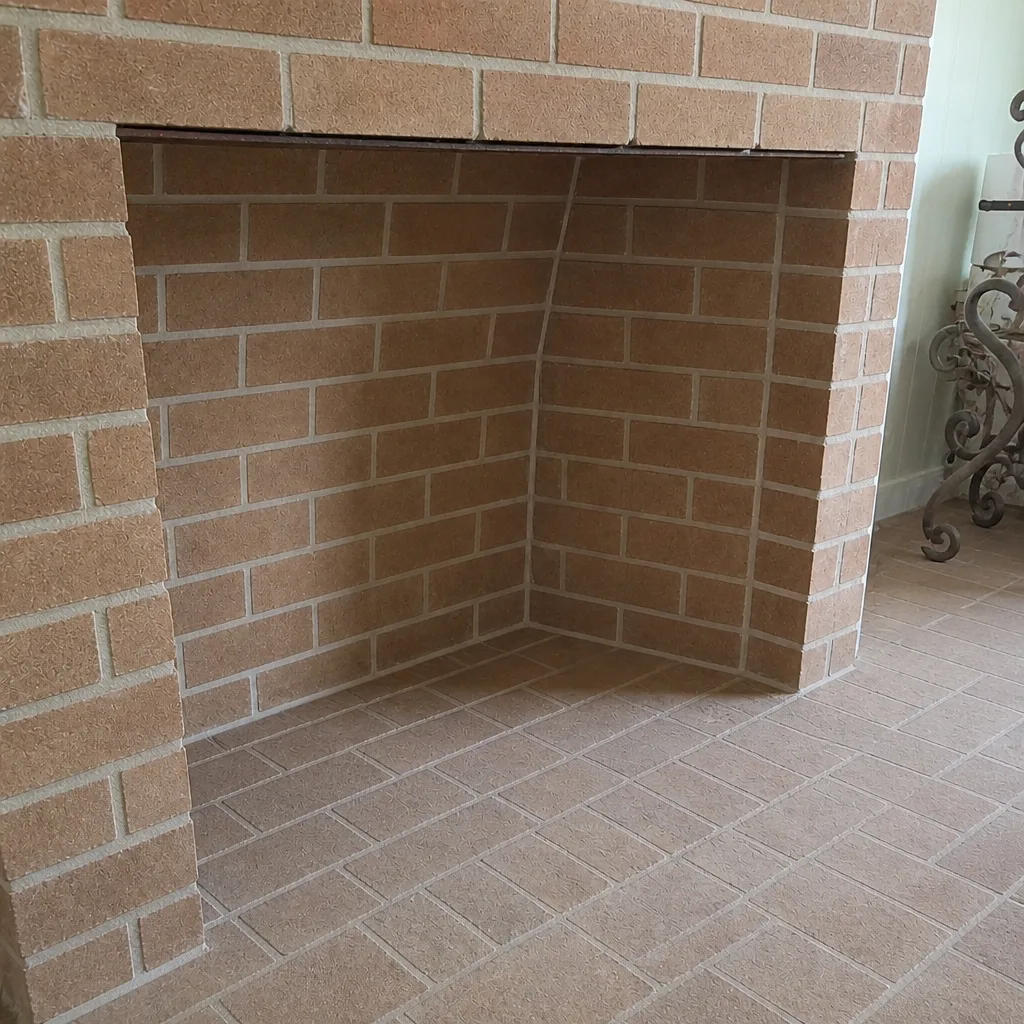
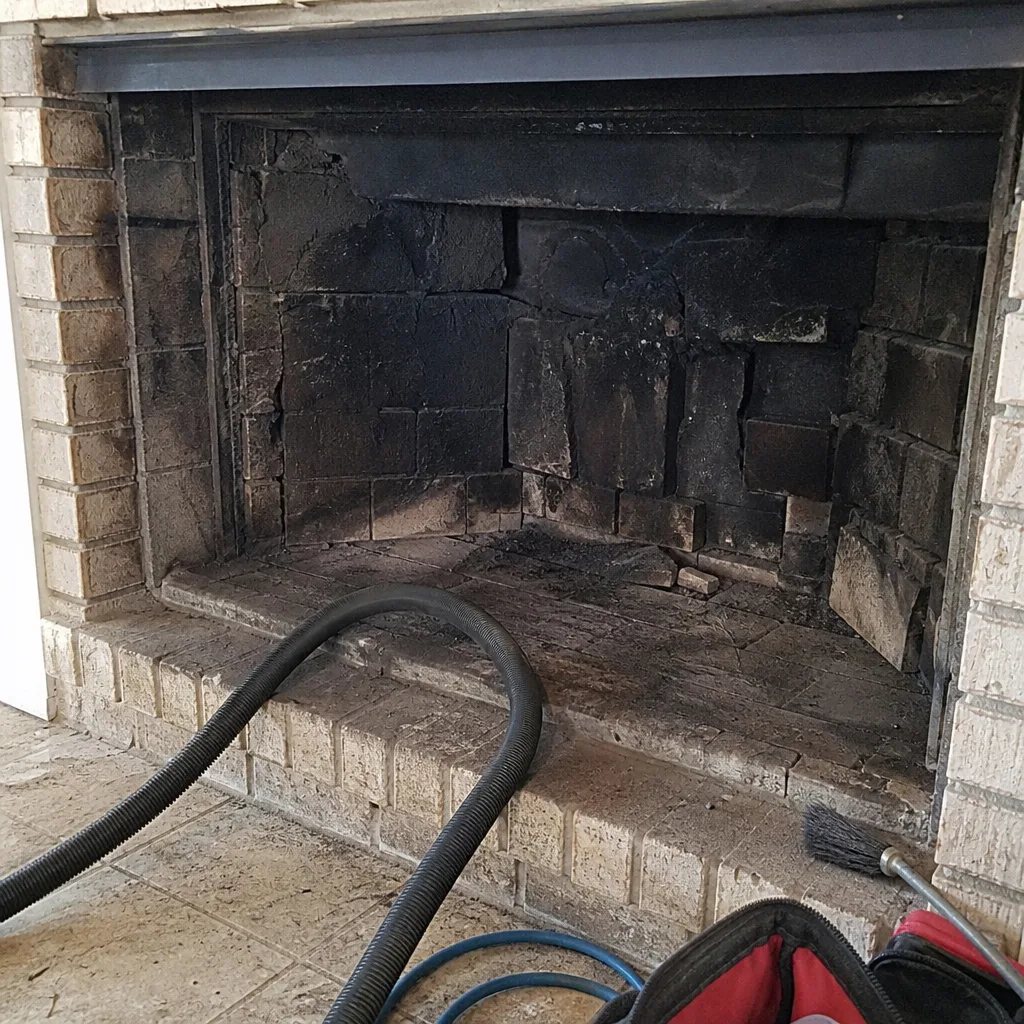
See the difference
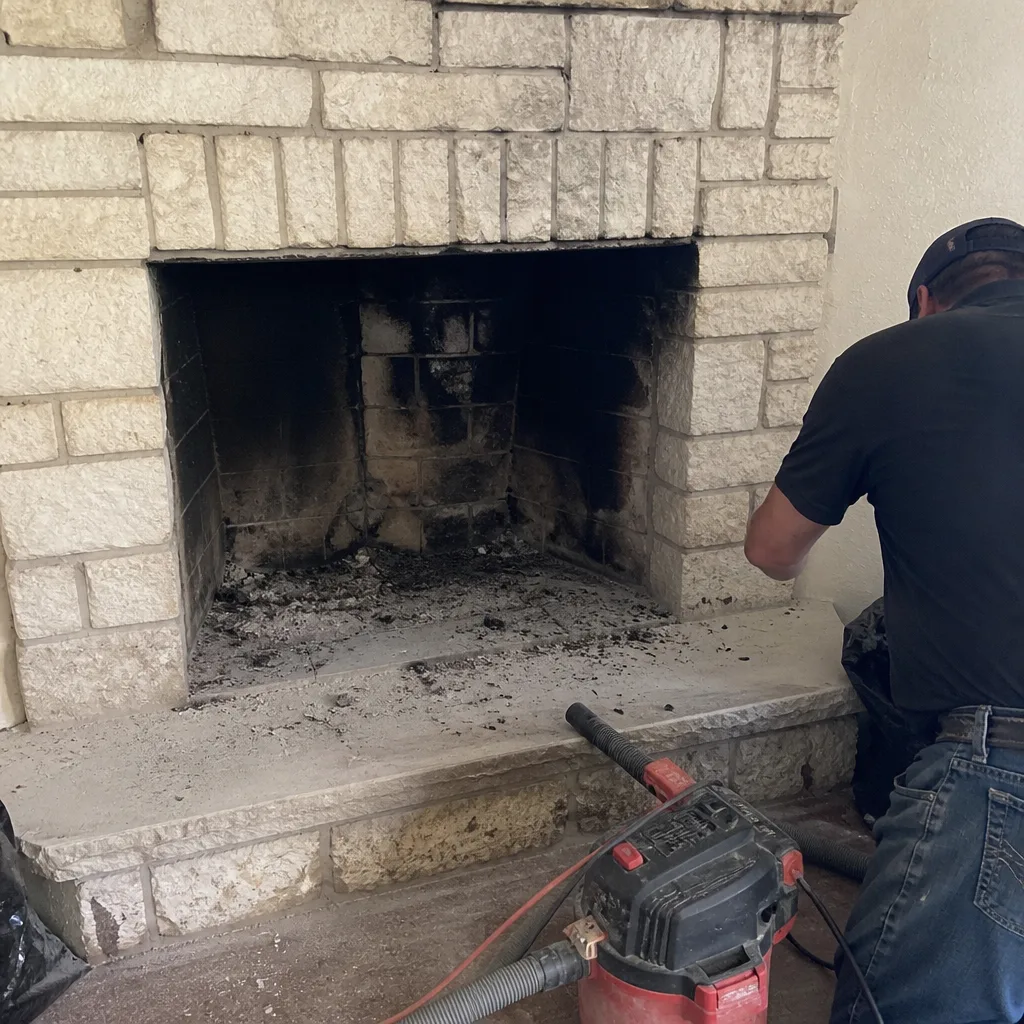 Before
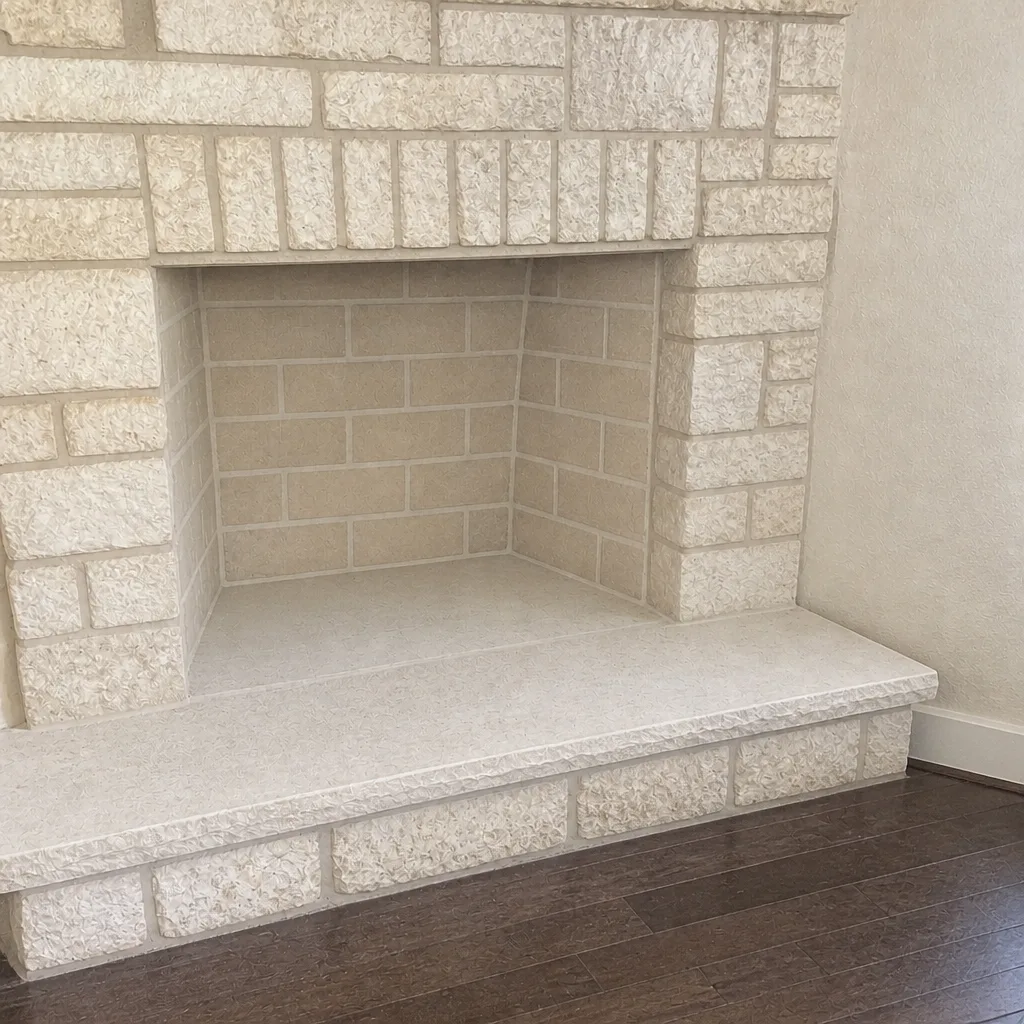 After
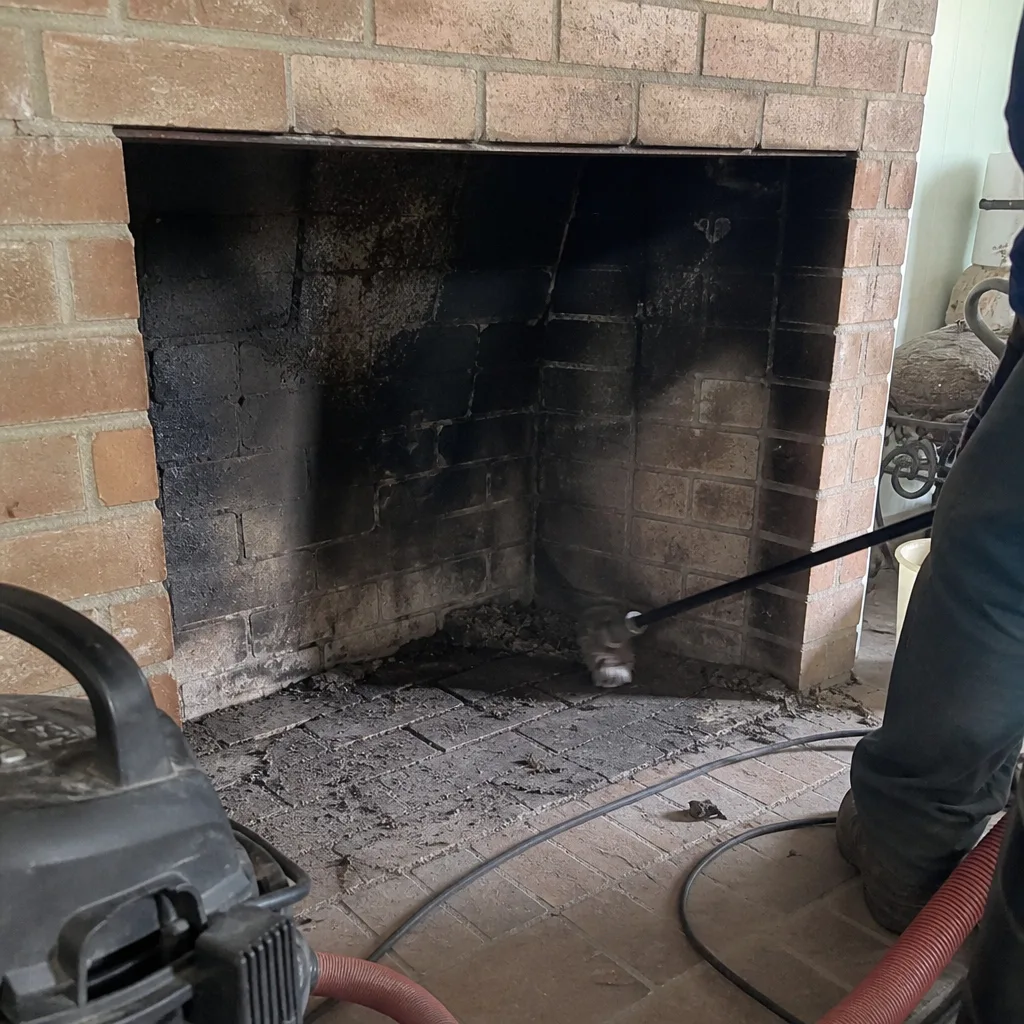 Before
 After
 Before
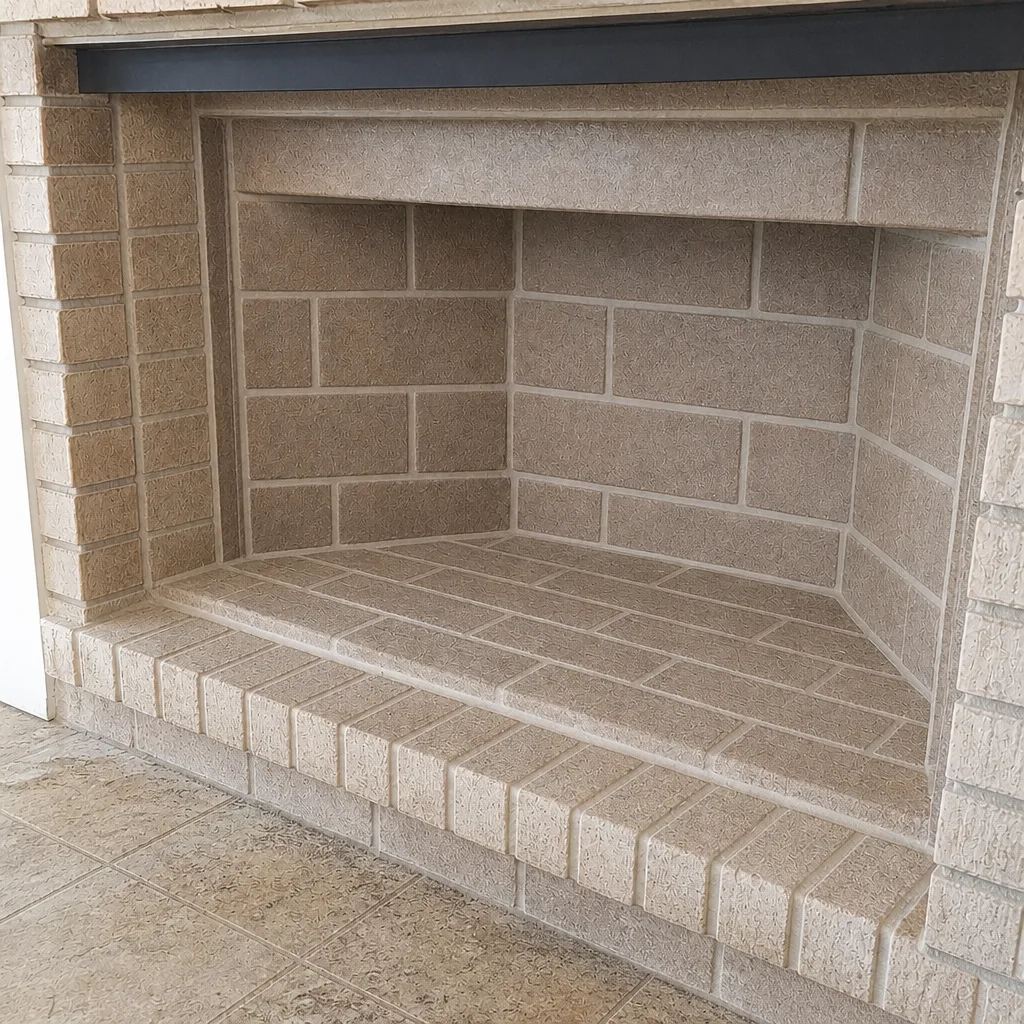 After
When to Call a Professional
Some chimney work is a homeowner’s watch-and-check. Other work genuinely needs a trained professional. Call when water is coming into the firebox or showing as a stain near the chimney, when you see loose or missing flashing, crumbling mortar joints, or a cracked crown, or when a pest has gotten into the flue. Call if the fireplace draft is weak or smells wrong when it’s unused, and call before the burning season if the chimney hasn’t been looked at in over a year. If you see heavy creosote buildup, glazed residue in the flue, or damage to the liner, that’s a trained eye’s job. Parkway Chimney Sweep offers free estimates in Brownsville – call (877) 729-8794. We answer 24/7. Fast dispatch from 7am to 7pm, Sunday through Friday.
Frequently Asked Questions
A chimney in Brownsville should be inspected at least once a year, ideally in late September or October before the burning season, and checked after each named storm from June through October. Whether it needs a full cleaning depends on the buildup found during inspection. In a mild climate with occasional fires, an annual inspection tells you what’s actually needed rather than assuming a sweep every year.
Yes. The long humid stretches from late spring through early fall drive internal condensation, mortar joint moisture cycling, and liner corrosion, and these do more cumulative damage than the occasional fire. The moisture works on caps, flashing, and masonry joints year-round, which is why a fall inspection and a spring check both matter here.
Check the cap, crown, flashing, mortar joints, and the firebox for water. Start with the cap from the ground, then look at the roof around the chimney. Lifted flashing or a cracked crown is a leak waiting to happen, and water in the firebox after a storm means something is getting in that shouldn’t be. Call a professional if you see any of those signs.
Short, infrequent fires can deposit creosote readily because the flue doesn’t stay warm enough to reduce deposition, and if the firewood is damp from a humid summer, that adds to it. The buildup from a dozen small fires can still be significant. That’s why the annual inspection matters even for households that burn lightly.
Yes. Summer is when internal condensation and liner corrosion are most active, and it’s also when storm-driven rain hits caps, crowns, and flashing. A chimney that sits unused still faces moisture from the outside and condensation inside. A spring check and a fall inspection in Brownsville cover both ends of that period.
In many cases, yes. HeatShield ceramic resurfacing can repair damaged flue tile without full demolition, and DuraFlex liner systems are used for relining where a liner is the right solution. What’s appropriate depends on the specific damage found during inspection, so the first step is a professional look at the flue.
The Bottom Line
Brownsville’s chimney calendar has four parts: storm-season checks from June through October, a pre-burn inspection in late September or October, awareness of summer condensation and liner corrosion, and a spring closeout focused on the cap, flashing, and pest evidence. The mild winter changes the creosote profile, and the humid months do most of the quiet damage. None of it is complicated, and none of it requires expensive guesswork. An inspection and cleaning in the fall, a check after each storm, and a spring look at the cap and flashing is the whole schedule. Get the fall visit booked, and you’ll know exactly what condition your chimney is in before the first cool night.
Call (877) 729-8794 for a free estimate. We answer 24/7. Fast dispatch from 7am to 7pm, Sunday through Friday.
Written by the team at Parkway Chimney Sweep.