
Last updated November 16, 2026
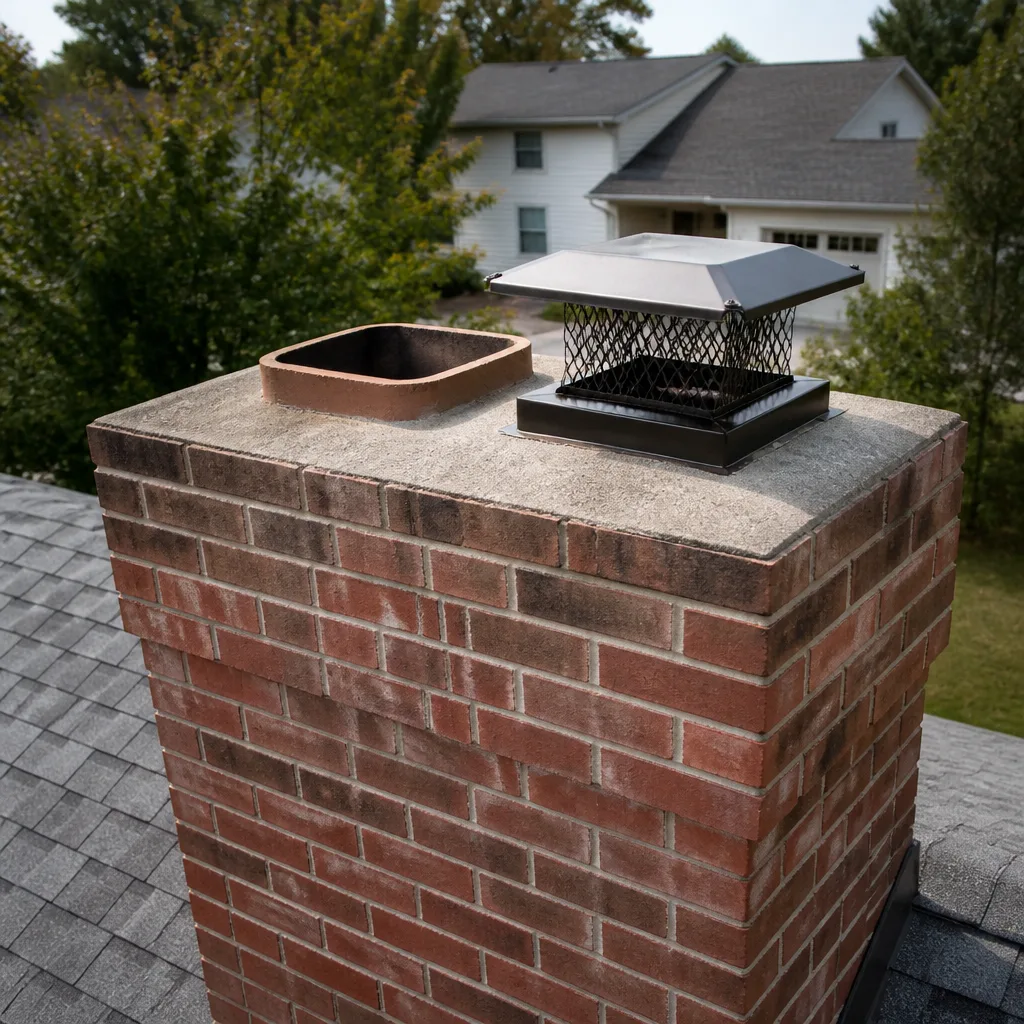 Sweep & inspection
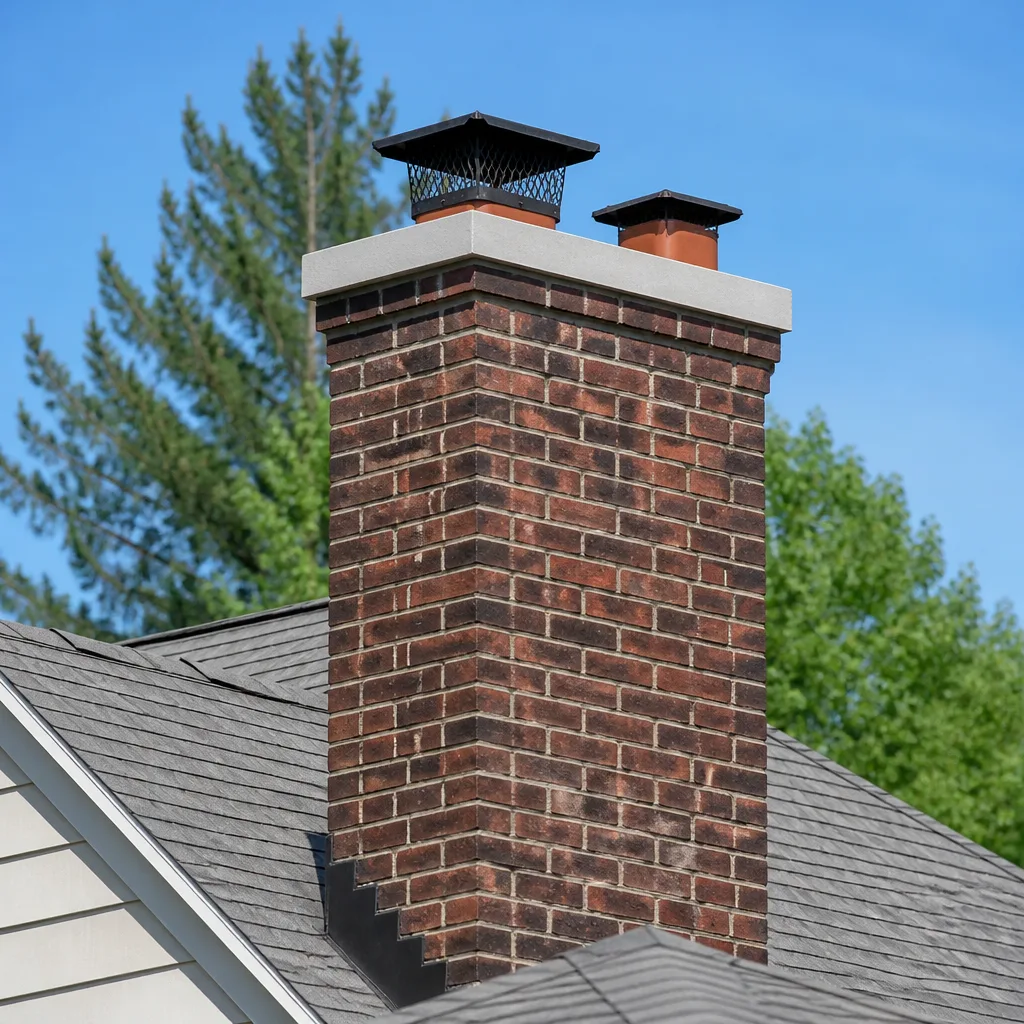 Caps & crowns
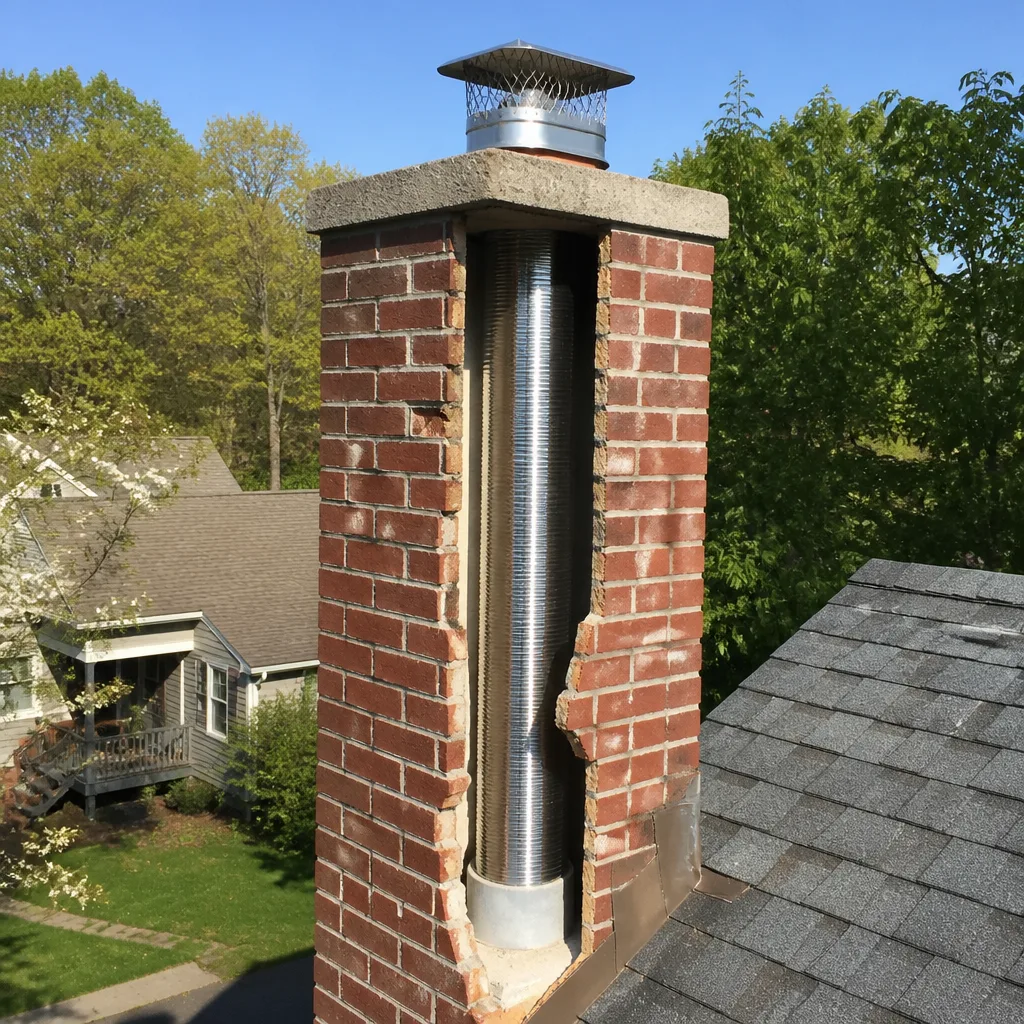 Flue relining
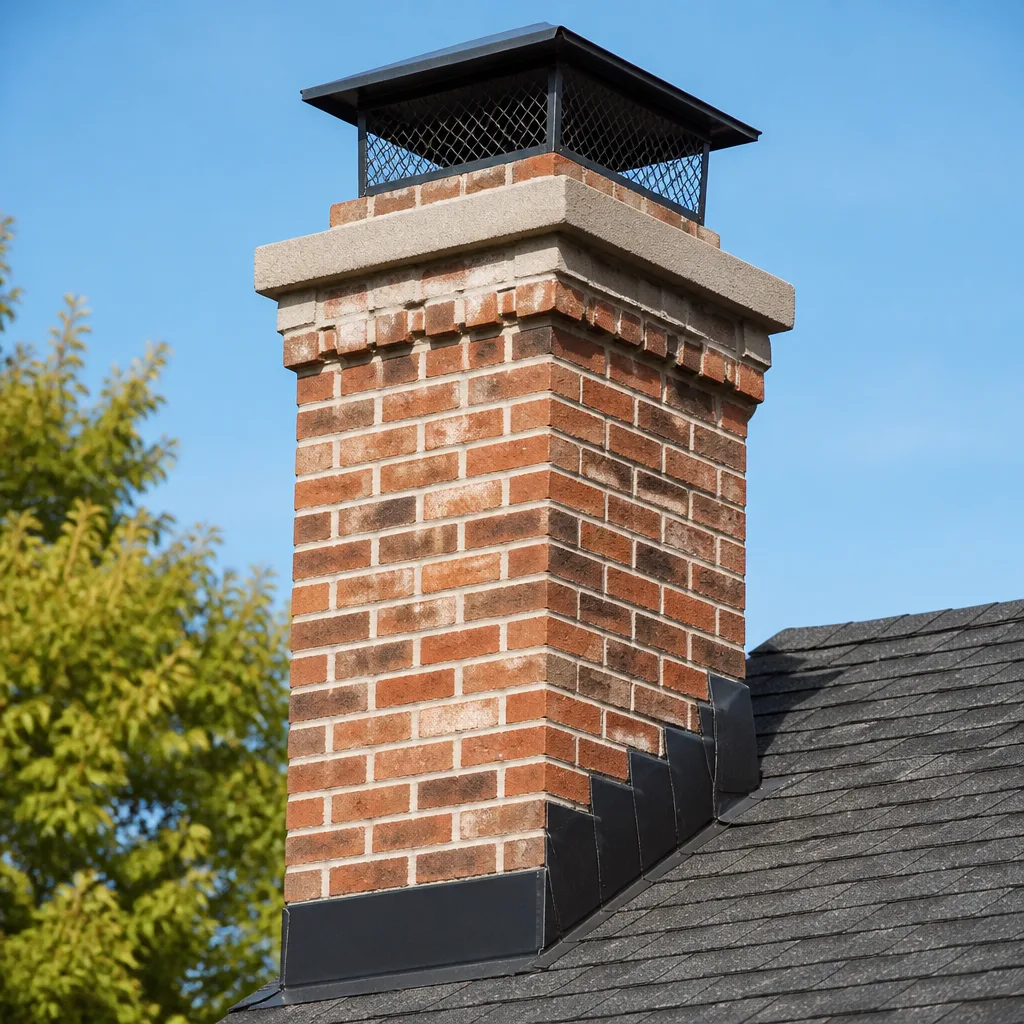 Masonry repair
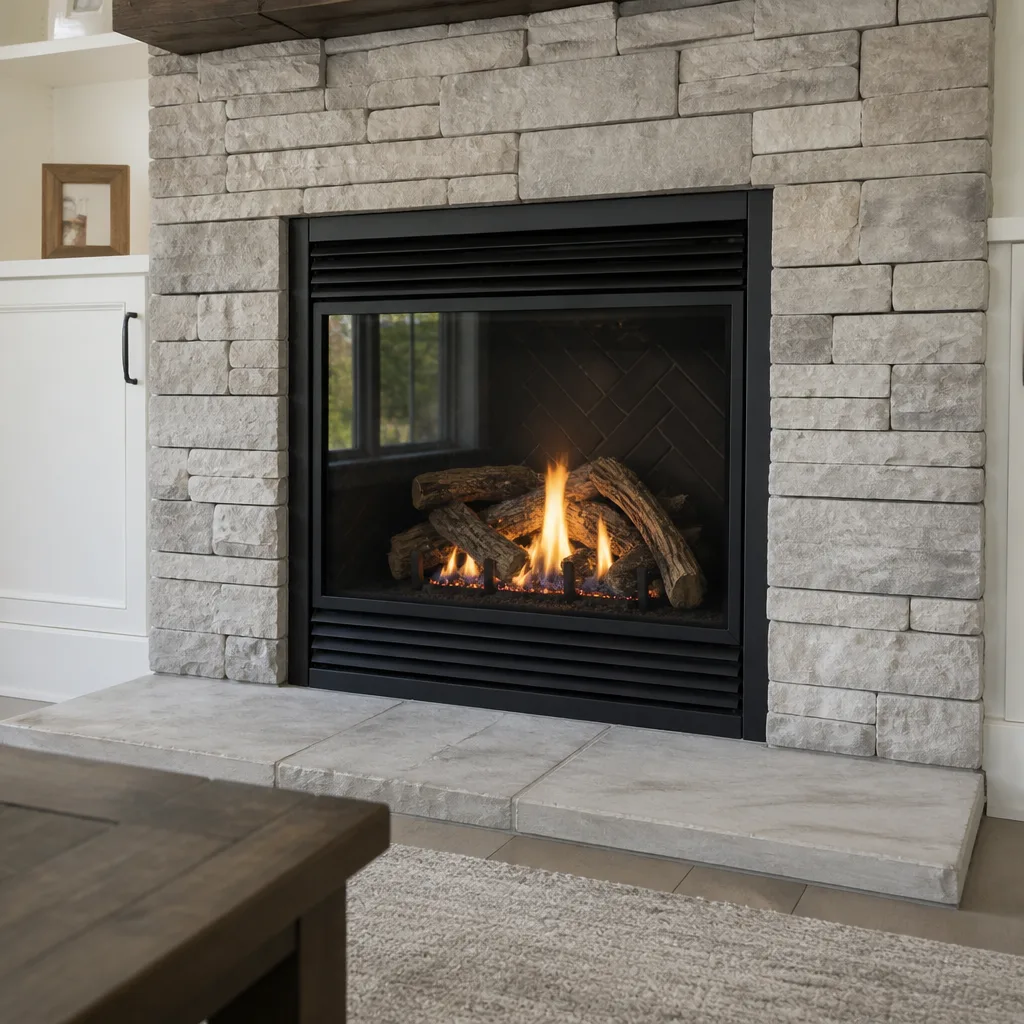 Gas fireplace service
Level 1 sweep and inspection to the NFPA 211 annual standard - flue, crown, cap, and flashing checked and photographed
Chimney sweep logs do not sweep chimneys. They loosen some creosote - which then falls where a brush and vacuum still have to collect it.
Chimney Cleaning Permits, Codes & Inspections in Brownsville, TX: What You Need to Know
No permit is required to sweep a flue. That part is simple, and it’s why so many Brownsville homeowners assume the whole topic stays off the radar. But the moment a sweep finds a cracked liner and that liner gets replaced, the job has crossed a line. What started as maintenance becomes an alteration, and alterations are where Texas building codes, local permit jurisdiction, and your future home sale or insurance claim all converge. A chimney repair done without documentation doesn’t announce itself. It waits, quietly, until a buyer’s inspector or an adjuster starts asking for records. This guide explains where that line sits, what NFPA 211 requires, how permitting actually works around Brownsville, and how to build a paper trail that protects you.
Quick Answer
In Brownsville, routine chimney cleaning requires no permit. Repair work, liner replacement, and structural alterations to the chimney generally do require a permit through the City of Brownsville’s building department, and the work should follow NFPA 211 standards regardless of whether a permit is pulled. Ask your contractor for a written scope of work, a materials specification, and an inspection report so the job is documented if you ever sell the home or file a claim.
Styles & brands we work with
- Sweep & inspection
- Caps & crowns
- Flue relining
- Masonry repair
- Gas fireplace service
Table of Contents
- Where chimney work crosses from maintenance into permitted repair in Texas
- How Brownsville and Cameron County handle chimney permits
- What NFPA 211 is and why it governs chimney work in Texas
- What a proper chimney inspection includes
- The insurance risk of undocumented chimney repairs
- How to request the right documentation from a contractor
- Why Brownsville’s climate changes the maintenance calendar
- Common mistakes to avoid
Where Chimney Work Crosses From Maintenance Into Permitted Repair in Texas
Texas adopts the International Residential Code, and the IRC draws a practical distinction that matters more than most homeowners realize. Cleaning, sweeping, and inspection are maintenance activities. They remove creosote, assess condition, and report findings. No permit is involved because nothing about the structure changes. The flue is the same flue when the sweep leaves as it was when they arrived, just cleaner.
Repair is different. When a flue liner is cracked and gets relined, when a damaged crown is rebuilt, when a firebox is resurfaced, or when a cap and chase cover are installed as part of correcting a system problem, the chimney has been altered. That’s the threshold. Under the IRC as Texas adopts it, alterations and repairs to a chimney system fall under permit jurisdiction because they affect the safety and performance of a building component tied to combustion.
The practical list of what typically requires a permit includes:
- Relining a flue, whether with a flexible stainless system or a cast-in-place resurfacing method
- Rebuilding or replacing a chimney crown
- Structural repairs to the chimney chase or masonry
- Firebox rebuilding or significant firebox repair
- Changing the venting configuration on a gas appliance
- Any repair that involves opening the chimney structure
Sweeping, visual inspection, and cap replacement where no structural change is involved usually fall outside permit scope. The line isn’t always obvious from the outside, which is why the written scope of work matters so much. A contractor who tells you what they’re doing and why gives you the information you need to ask the city the right question. If you’re unsure which side of the line your job falls on, it’s worth asking before work begins. Our chimney repair work always starts with a clear scope so homeowners know exactly what’s being proposed.
How Brownsville and Cameron County Handle Chimney Permits
Permitting authority in Brownsville depends on where the property sits. A home inside the city limits falls under the City of Brownsville’s building department. A property in unincorporated Cameron County falls under the county’s permitting process. The two are separate, and the requirements can differ in detail even where both are following the same state-adopted code.
What generally triggers an inspection is straightforward: any permitted repair. When a permit is pulled for a relining or structural chimney repair, the work is subject to inspection before it’s signed off. That inspection is a good thing. It’s an independent verification that the work meets code, and it creates a record tied to the property address.
Here’s how the process usually runs in Brownsville:
- The contractor determines whether the proposed work requires a permit by checking with the City of Brownsville building department or Cameron County, depending on the address.
- The permit application is filed, typically by the licensed contractor performing the work, with a scope describing the repair.
- Work proceeds according to the approved scope and NFPA 211 standards.
- The completed work is inspected by the authority having jurisdiction.
- The permit is closed and the record attaches to the property.
One detail homeowners often miss: the permit record follows the address, not the contractor. That’s why it’s valuable years later. When a buyer’s inspector flags the chimney and asks whether the liner was replaced, a closed permit answers the question immediately. Without one, the answer is a shrug, and a shrug during a real estate transaction gets expensive.
It’s also worth knowing that not every contractor will volunteer the permit question. Some will tell you a relining “doesn’t need one” because pulling permits adds time and cost. That’s a decision with consequences that land on you, the property owner, not on them. Ask directly, in writing, whether the work requires a permit, and get the answer before the job starts. Local code details do shift, so confirm current requirements with the City of Brownsville building department for your specific address.
What NFPA 211 Is and Why It Governs Chimney Work in Texas
NFPA 211 is the National Fire Protection Association’s standard for chimneys, fireplaces, vents, and solid fuel-burning appliances. Texas doesn’t write its own chimney code; it points to recognized standards, and NFPA 211 is the one that governs how chimneys are installed, repaired, and maintained. When a building inspector signs off on a relining job in Brownsville, NFPA 211 is the reference behind that approval.
What the standard covers in practical terms:
- Required clearances between the chimney and combustible materials
- Liner requirements and acceptable materials for different appliance types
- Inspection levels and when each applies
- Venting requirements for solid fuel, gas, and oil appliances
- Conditions that require correction before an appliance can be safely used
Why this matters to a homeowner: a contractor who works to NFPA 211 will specify materials rated for the application. A flexible stainless liner from a trade manufacturer like DuraFlex is engineered for the thermal cycling a flue actually sees. A cast-in-place resurfacing system like HeatShield is designed specifically to restore deteriorated flue tile. These are products built for the flue, not general construction materials adapted to it.
Verifying that a contractor follows NFPA 211 usually comes down to asking a few direct questions. Ask what standard they work to. Ask what materials they’ll use and why those materials suit your appliance and flue. Ask whether they can show you the manufacturer’s specification for the liner or resurfacing product. A contractor who works to the standard will answer these without hesitation and put the answers in writing. One who doesn’t will get vague.
Chimney work is all we do at Parkway Chimney Sweep, and every repair and lining job we handle uses professional-grade chimney trade materials sourced through wholesale channels like Olympia Chimney and Copperfield, the same channels certified chimney professionals rely on. That’s not a marketing point so much as a practical one: the standard only works if the materials meet it. Learn more about who we are on the Parkway Chimney Sweep home page.
What a Proper Chimney Inspection Includes
NFPA 211 defines three inspection levels, and knowing which one you’re getting tells you a lot about whether the findings are reliable.
Level 1 inspection is the standard look-over that accompanies a routine sweep. It covers readily accessible portions of the chimney, the firebox, the damper, and the visible flue. It’s appropriate when the appliance and fuel type haven’t changed and there’s no known problem.
Level 2 inspection is more thorough. It’s required when a property changes hands, when an appliance or fuel type changes, after a chimney fire or other event, or when a Level 1 inspection turns up something that needs a closer look. It includes a video scan of the flue interior, which is how a cracked or deteriorated liner actually gets documented.
Level 3 inspection is diagnostic and goes further, potentially opening concealed areas of the chimney structure. It’s used when a Level 1 or Level 2 inspection identifies a problem that can’t be resolved without access.
For most Brownsville homeowners, the Level 2 inspection is the one that matters at the moments that count: buying or selling a home, filing an insurance claim, or responding to a sweep finding. A video scan produces evidence you can see for yourself. We include a camera inspection and photo report with our work so nothing gets recommended on faith. If a liner needs replacing, you’ll see the crack that prompted it.
The full arc of inspection, cleaning, and repair handled by one company means the person who finds the problem is the person accountable for fixing it. That’s the model we work from, and it’s the reason a chimney sweep visits in Brownsville should end with a documented assessment, not just a clean flue. Our technicians have up to 14 years of experience reading what those scans show.
The Insurance Risk of Undocumented Chimney Repairs
Chimney fires are a common cause of residential fire claims, and insurers know it. After a chimney-related fire, an adjuster’s investigation typically includes a look at the maintenance and repair history of the chimney. The question isn’t hostile; it’s standard. What was done to this chimney, when, and by whom?
That’s where documentation matters. A closed permit tied to the property address, a written scope of work, a materials specification, and an inspection report together create a record that answers the question. Without those, the insurer has to evaluate the claim on incomplete information, and incomplete information rarely works in the homeowner’s favor. A relining done correctly but never permitted and never documented is functionally indistinguishable, from the file’s perspective, from a relining that never happened.
The same logic applies during a home sale. A buyer’s inspector flags a chimney component and recommends further evaluation. The seller’s agent asks for records. A homeowner who can produce a permit and a materials spec from a professional lining job, with the date and the product named, resolves the concern in a single email. A homeowner who can’t faces re-inspection, negotiation, or a credit at closing. The cost of pulling a permit is small next to that.
There’s also the plain safety argument. A liner installed to NFPA 211 with a rated system performs the way it’s supposed to. An undocumented repair of unknown method and materials gives you no way to know what’s actually between your fire and the structure around it. When you’re evaluating whether a chimney repair can safely wait, a documented inspection is what tells you. Without one, you’re guessing.
How to Request the Right Documentation From a Contractor
This is the part most homeowners skip, and it’s the easiest to get right. Ask before work begins, not after. A professional contractor expects the request and has no problem answering it. If the answers are vague or delayed, that’s information too.
Request these items before the job starts:
- Written scope of work. Exactly what will be done, in specific terms. Not “chimney repair” but “relining of the flue serving the wood-burning fireplace with a flexible stainless liner.”
- Materials specification. The product name and the manufacturer. If a DuraFlex liner is being installed, you want that named. If HeatShield resurfacing is being used, you want that named. Products get specified so you can verify what’s going into your chimney.
- Inspection report with photos. The findings that prompted the repair, documented with images you can see. If a camera scan was done, the report should include it.
- Permit confirmation. Whether the work requires a permit and who is pulling it. Get this in writing.
- Statement of standards. Confirmation that the work will follow NFPA 211.
Ask for these as a single document or a package, and keep it. Store it with your home records, the same place you keep the roof and HVAC paperwork. When the home sells or a claim gets filed, that file is worth more than the repair receipt alone.
We handle inspection, cleaning, and repair in one visit specifically because it makes this documentation coherent. The inspection findings, the sweep, and the repair scope all reference the same assessment. If you’re working with a generalist who handles chimneys on the side, ask the same questions and see whether the answers come as easily. Our Brownsville service page lays out what a documented visit looks like.
Why Brownsville’s Climate Changes the Maintenance Calendar
Brownsville’s winters are mild, and that changes how chimney maintenance actually plays out here compared to colder parts of Texas. Homes burn less, but they still burn, and the mild climate creates two specific conditions worth understanding.
First, humidity. Brownsville’s warm, humid air works on a chimney system year-round, particularly on the exterior portions. A cap and chase cover that’s failing lets moisture into the chase, and moisture in a masonry chimney degrades the structure from the inside. That’s why we don’t treat cap and cover products as an afterthought. We source them from chimney-specific manufacturers like Gelco and Famco, because a cap’s job is to keep water out of a structure that’s expensive to repair when it gets wet.
Second, the long off-season. A chimney that sits unused for most of the year still accumulates the conditions that matter: creosote from the last burning season, debris, and moisture. By the time burning season approaches, a chimney that hasn’t been looked at may have several seasons of buildup.
The practical calendar for most Brownsville homes:
- Before burning season: sweep and inspect. This is the visit that matters most.
- Annually: sweep and inspect, regardless of how much you burned. Buildup doesn’t reset on its own.
- After any chimney fire or unusual event: Level 2 inspection before the appliance is used again.
- Before listing a home for sale: Level 2 inspection so the buyer’s questions get answered before they’re asked.
One safety note we won’t soften: creosote buildup is what fuels chimney fires, and a chimney fire can damage a liner in ways you can’t see from the firebox. Don’t try to inspect or repair a flue yourself. Liner condition and clearance evaluation require a trained eye and the right equipment. Our camera inspection and photo report exist because the findings need to be visible, not taken on faith.
Common Mistakes to Avoid
- Assuming “no permit for a sweep” means “no permit for a repair.” The two are different categories entirely. Sweeping removes buildup; relining changes the flue. Ask specifically which category your job falls into.
- Letting a contractor talk you out of a permit to save time. The permit record attaches to your address, and it’s your liability, not theirs, if the work is ever questioned. Get the permit question answered in writing before work starts.
- Skipping the inspection report. A clean flue with no documentation is still an undocumented chimney. Ask for the camera scan and photos, and keep them with your home records.
- Accepting generic materials without a spec. If the liner or cap product isn’t named in writing, you have no way to verify it’s rated for your appliance and flue. Trade-grade products get specified by name for a reason.
- Ignoring the cap until the chase is wet. In Brownsville’s humidity, a failing cap and cover lets water into the structure for months before you notice inside. Have the cap checked during every sweep.
- Waiting for a problem to announce itself. Chimney issues usually don’t. The inspection before burning season is the visit that catches them while they’re still small.
- Treating the chimney as a handyman task. A generalist who sweeps on the side may produce a clean flue and no record. Chimney-only work produces both the cleaning and the documentation that stands behind it.
See the difference
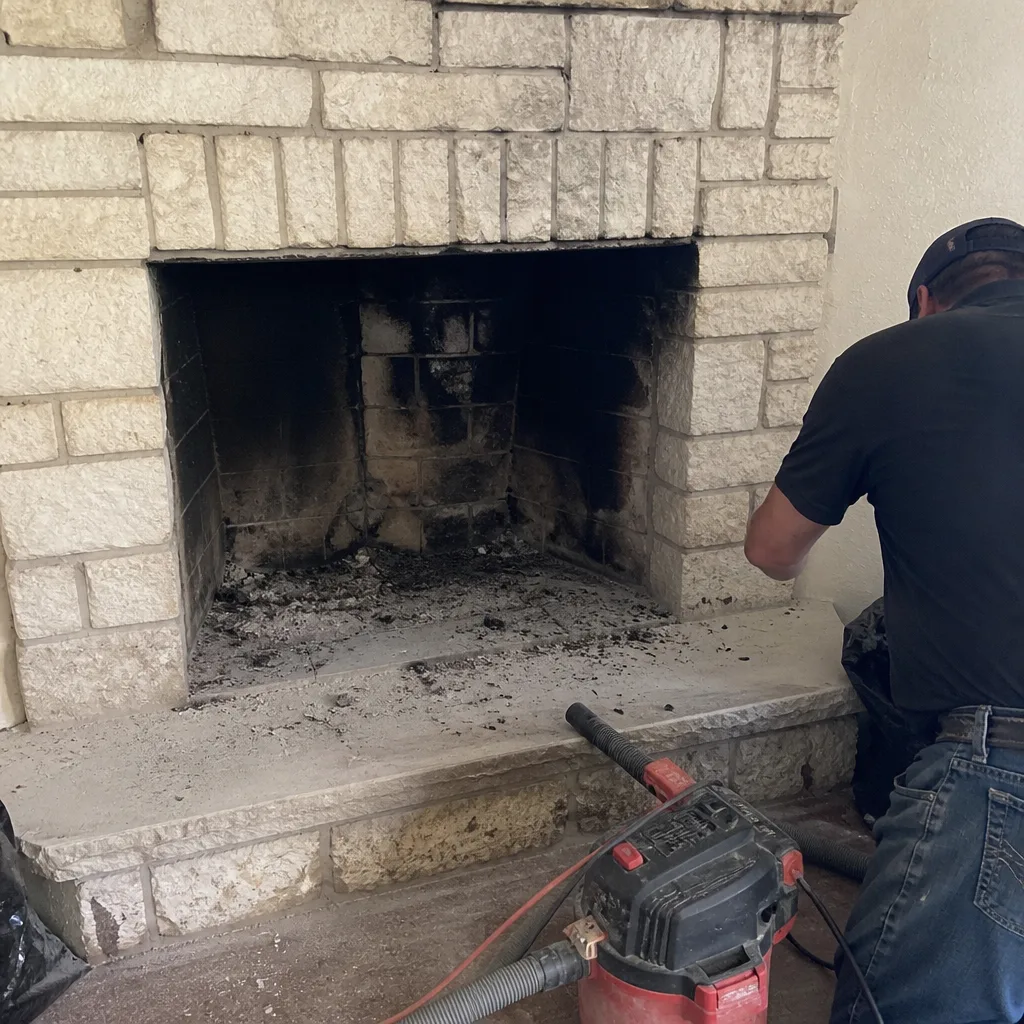 Before
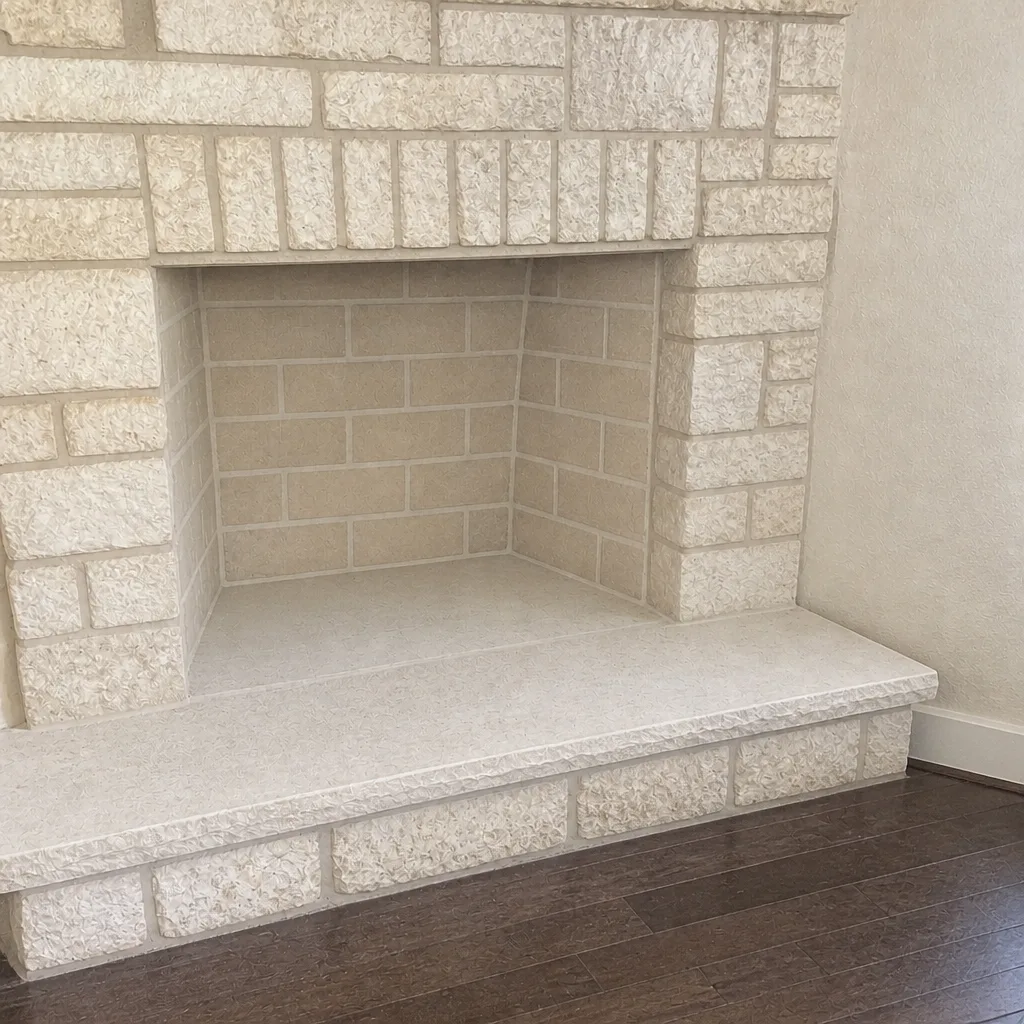 After
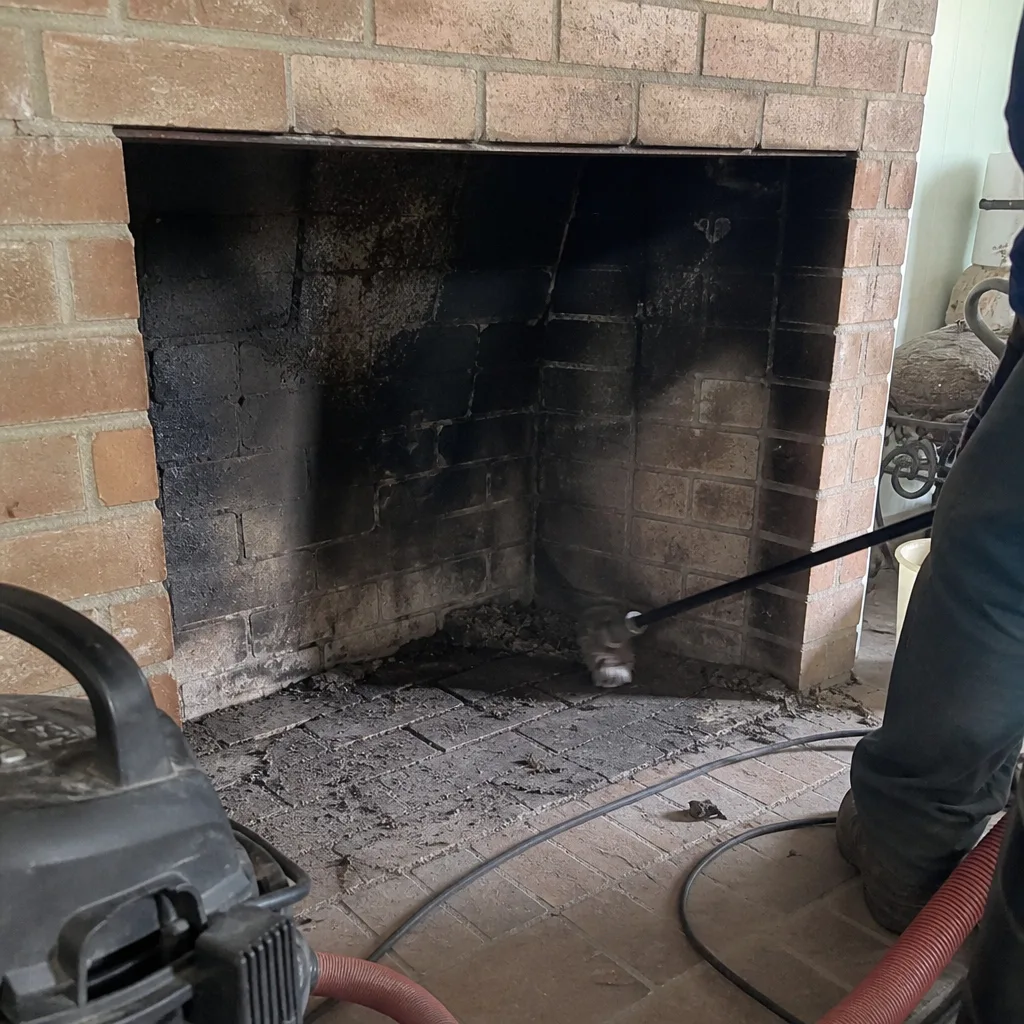 Before
 After
 Before
 After
When to Call a Professional
Call a professional if you haven’t had the chimney inspected in the past year, even if you barely burned last season. Call before your first fire of the new burning season. Call if you notice a strong odor from the firebox during humid weather, if the damper doesn’t move freely, if you see staining on the chase or ceiling near the chimney, or if a cap looks loose or damaged. Call before listing a home for sale, so a buyer’s inspector has something to review. And call immediately if you suspect a chimney fire has occurred, even one that seemed to put itself out. Those are the moments a documented inspection pays for itself.
Parkway Chimney Sweep offers free estimates in Brownsville. Call (877) 729-8794. We answer 24/7. Fast dispatch from 7am to 7pm, Sunday through Friday. The written estimate sets the price, and nothing gets recommended without camera evidence you can see yourself. If the work can safely wait, we’ll tell you that too.
Frequently Asked Questions
No. Routine chimney cleaning is a maintenance activity and doesn’t require a permit in Brownsville. Permits apply to repairs and alterations, such as relining, crown replacement, or structural work. Call (877) 729-8794 for an exact quote on your specific job; estimates are free.
Generally, yes. Relining is a repair that alters the chimney system, which puts it under permit jurisdiction under the International Residential Code as Texas adopts it. Confirm current requirements with the City of Brownsville building department or Cameron County for your address, depending on where the property sits. Call (877) 729-8794 and we’ll help you sort out which applies to your home.
NFPA 211 is the national standard for chimneys, fireplaces, and solid fuel appliances, and it’s the reference behind Texas chimney code. It sets requirements for liner materials, clearances, inspection levels, and venting. A contractor who works to NFPA 211 can show you the manufacturer specification for the liner or resurfacing product they plan to use. Call (877) 729-8794 for an exact quote; estimates are free.
They often do. A chimney-related fire claim typically prompts an adjuster to review the maintenance and repair history of the chimney. A closed permit tied to the property address, a written scope of work, and a materials spec answer those questions quickly. Without them, the claim gets evaluated on incomplete information. Call (877) 729-8794 to get your chimney documented before you need the file.
Once a year, at minimum, regardless of how much you burned the previous season. Brownsville’s long off-season still leaves creosote, debris, and moisture in the system, and buildup doesn’t clear on its own. Sweep and inspect before burning season so anything small gets caught before it grows. Call (877) 729-8794 for an exact quote; estimates are free.
Ask for five things: a written scope of work naming the specific repair, a materials specification with manufacturer and product name, an inspection report with photos or camera scan, confirmation of whether a permit is required and who is pulling it, and confirmation the work will follow NFPA 211. Get all of it in writing before work starts and keep it with your home records. Call (877) 729-8794 and we’ll walk you through what each document covers.
The Bottom Line
Sweeping your chimney in Brownsville doesn’t require a permit, and that’s where most homeowners stop thinking about it. But repair work does, and the permit record follows your address, not your contractor. The work needs to follow NFPA 211 regardless of permit status, the materials need to be rated for the flue, and the whole job needs to be documented well enough to answer a buyer’s inspector or an insurance adjuster years later. Ask for the scope, the spec, and the inspection report before work starts. Confirm the permit question in writing. It’s the difference between a repair you can prove and one you can only remember.
Written by the team at Parkway Chimney Sweep.