
Last updated November 16, 2026
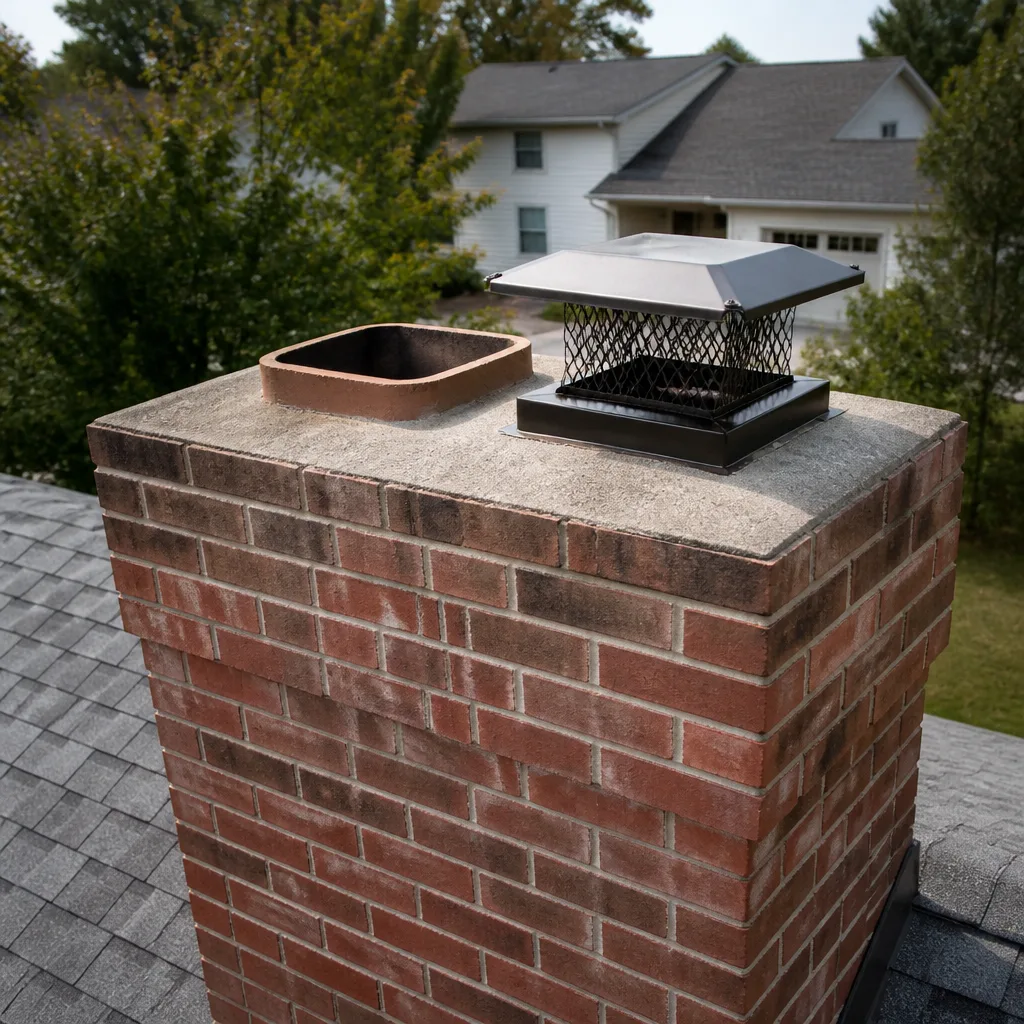 Sweep & inspection
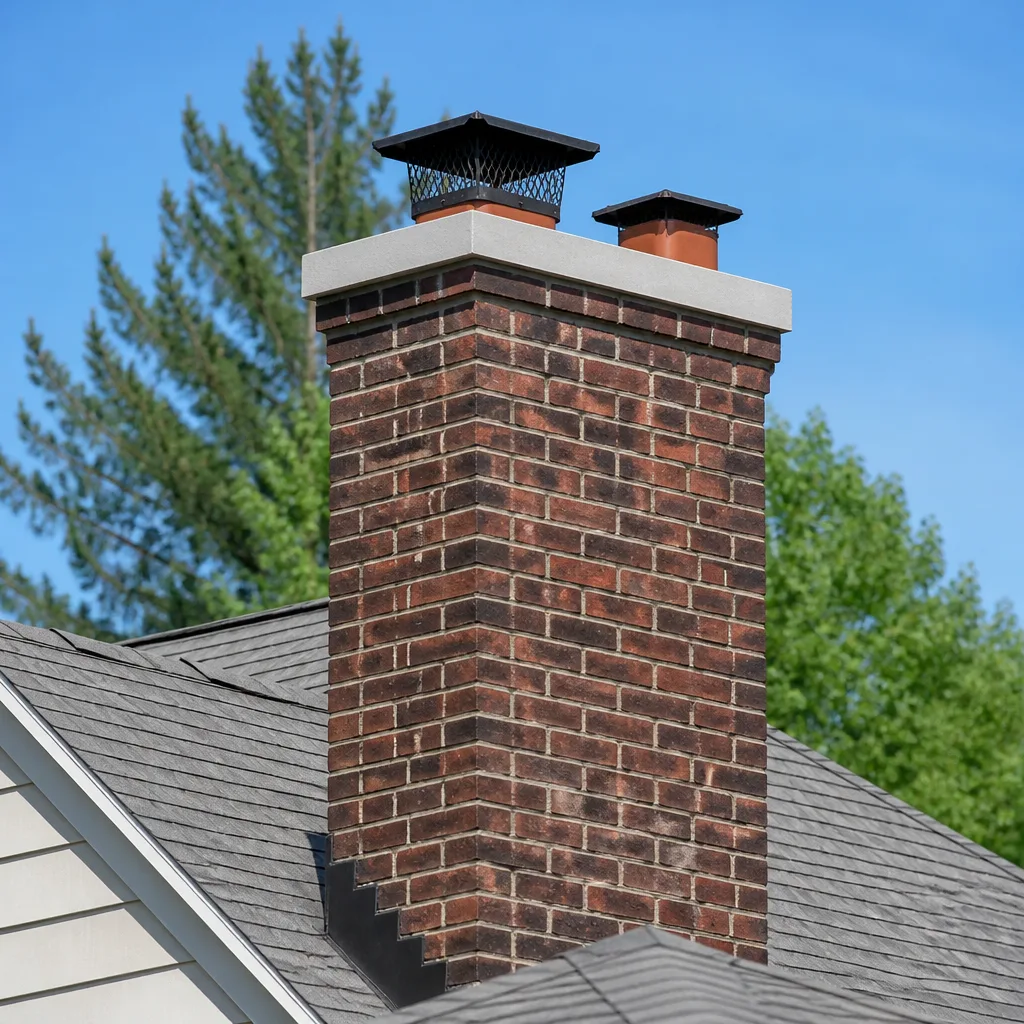 Caps & crowns
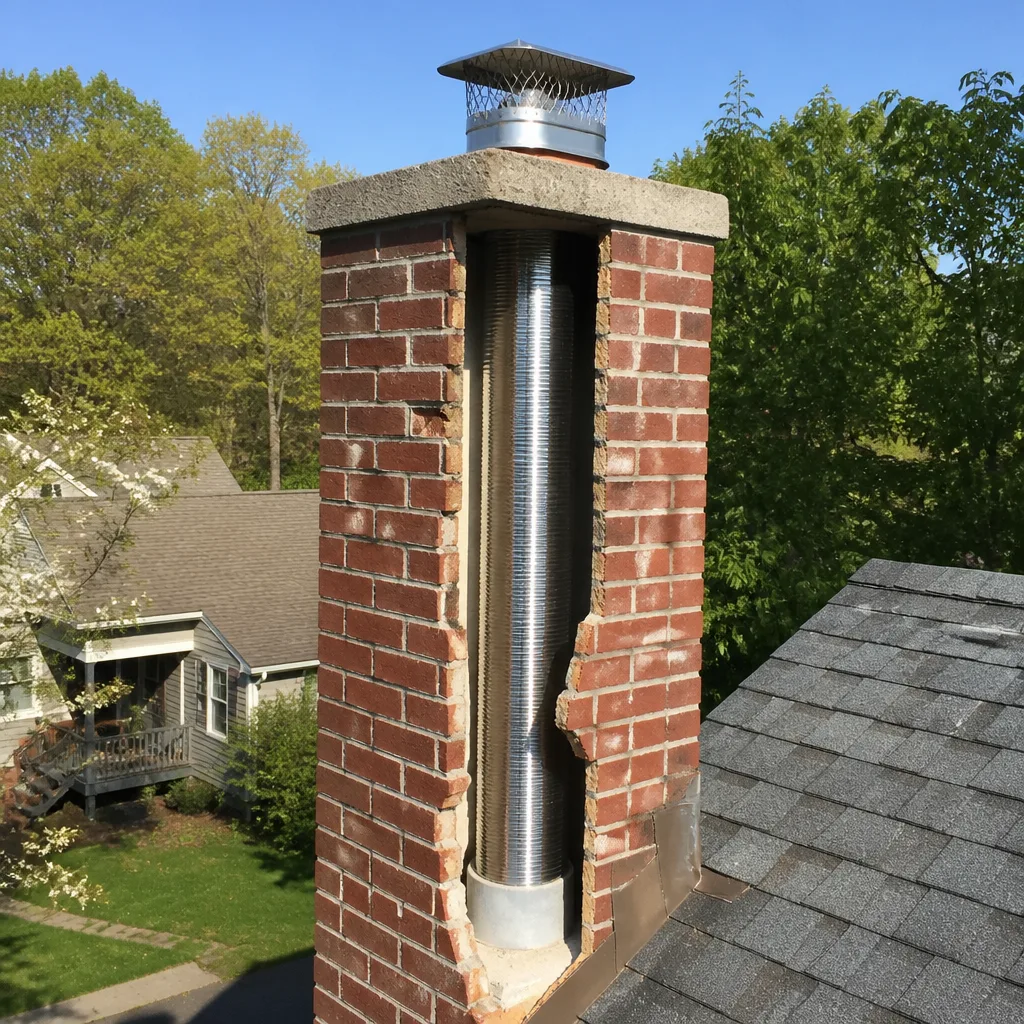 Flue relining
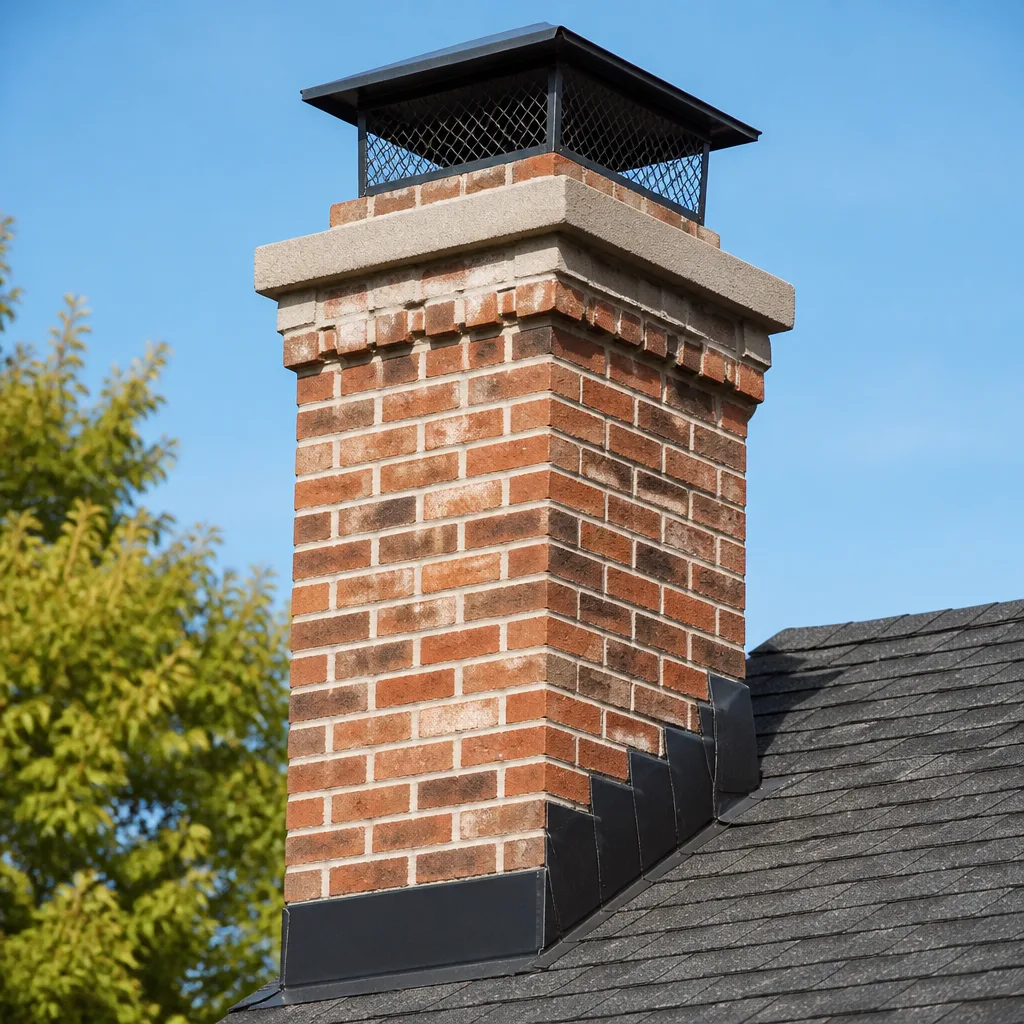 Masonry repair
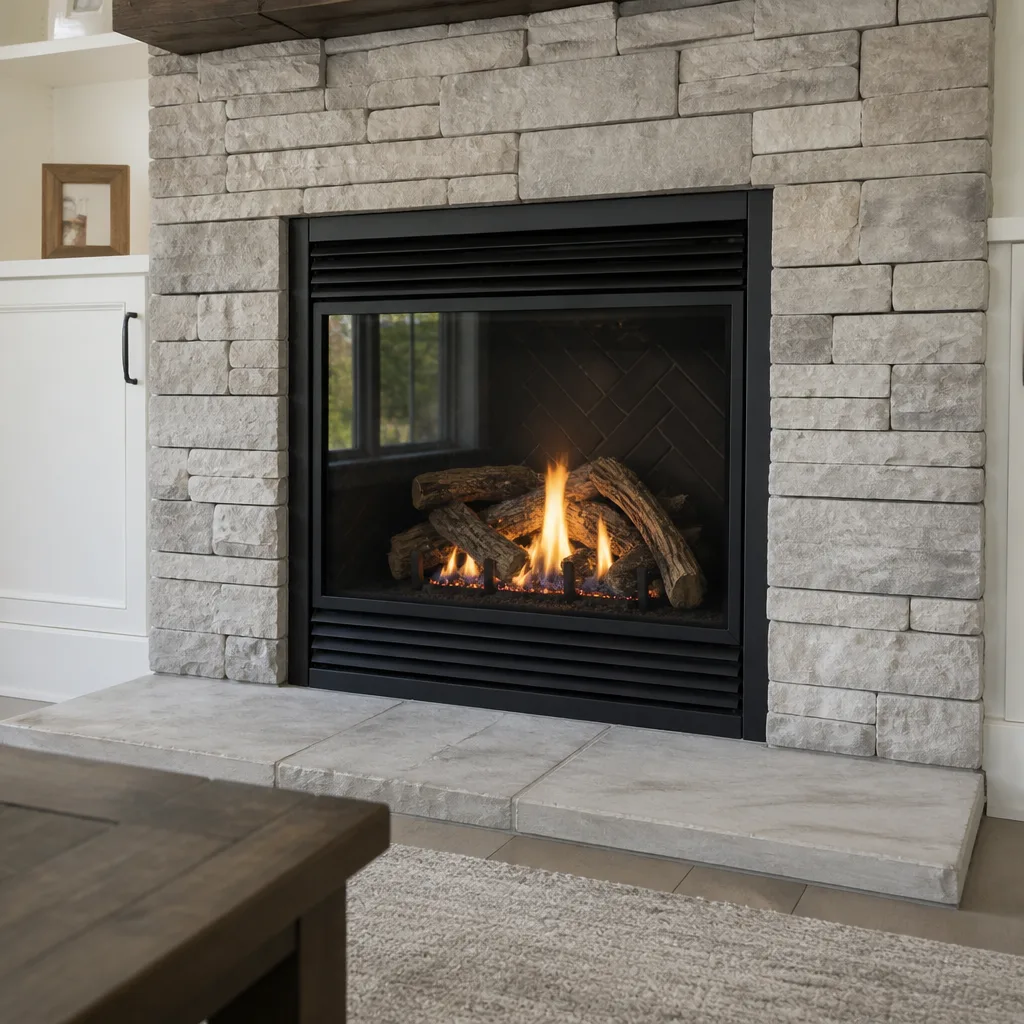 Gas fireplace service
Level 1 sweep and inspection to the NFPA 211 annual standard - flue, crown, cap, and flashing checked and photographed
Chimney sweep logs do not sweep chimneys. They loosen some creosote - which then falls where a brush and vacuum still have to collect it.
Chimney Sweep Maintenance Schedule: What to Do and When
If you used your fireplace fewer than ten times last year, the biggest threat to your chimney this year is not creosote. It is moisture, nesting animals, and a damper seal that degraded while the flue sat idle. Most chimney advice is written for Minnesota, where a fireplace runs five nights a week from October to April. A Brownsville fireplace might see eight fires a season, wedged between warm spells. That changes what you are actually maintaining. This guide lays out a month-by-month schedule built for a humid Gulf climate and a short burning season, plus what you can check yourself and what needs a trained professional.
Quick Answer
In Brownsville, TX, a chimney should be inspected once a year and swept only when the inspection shows buildup – which for most low-use fireplaces here means every two to three years, not annually. Add a moisture and cap check each June at the start of the rainy pattern, an inspection in October once hurricane season winds down, and a readiness check in November before the first cool front. Homeowners can test the damper and check the firebox visually; anything involving the flue, cap or crown needs a certified chimney specialist.
Styles & brands we work with
- Sweep & inspection
- Caps & crowns
- Flue relining
- Masonry repair
- Gas fireplace service
Table of Contents
- Why the Standard Annual Chimney Calendar Doesn’t Fit Brownsville
- The Brownsville Month-by-Month Chimney Schedule
- How Often You Burn Changes What You’re Maintaining
- Why You Should Inspect After Every Significant Storm
- What You Can Check Yourself vs. What Needs a Specialist
- Why Late Summer Is the Right Time to Book
- Sweeping vs. Inspection: They Are Not the Same Job
- Warning Signs Your Chimney Needs Attention Now
Why the Standard Annual Chimney Calendar Doesn’t Fit Brownsville
The “sweep it every year” rule comes from regions where a chimney takes a real beating. Cold-climate homes burn continuously for months, building heavy creosote loads that genuinely require annual removal. National chimney safety guidance reflects that reality. Apply it to a Brownsville home that lights the fireplace ten or fifteen times a year and the math stops working.
What actually wears on a chimney here is the climate, not the fire. Brownsville’s humidity, coastal storms and warm-season rain create a different set of problems than a snowy winter does. Wood framing absorbs moisture. Metal components corrode. Nesting birds and wasps settle into an unused flue. A masonry crown develops hairline cracks that let water in, and that water freezes exactly never, so the damage happens slowly and quietly instead of dramatically.
That means the calendar here should be weighted toward moisture management and obstruction checks, with creosote inspection layered on top rather than leading. A chimney that sees fifteen fires a year almost never has a creosote problem worth paying to solve. It very often has a draft problem from a partially blocked flue, or a rusted damper, or a cap that came loose in a storm.
The other thing that shifts here is timing. Because the burning season is short and arrives late, most Brownsville homeowners only think about their fireplace when a cold front is already in the forecast. By then the schedule is compressed and everyone wants the same week. Starting the season in late summer, not November, gets you a fireplace that is genuinely ready when the weather changes. Our team at Parkway Chimney Sweep handles inspection, cleaning and repair as one appointment, which matters when you’re starting late and need answers in one trip.
The Brownsville Month-by-Month Chimney Schedule
Here is the full year, month by month, tuned for Brownsville’s climate and its brief burning season. Not every task applies to every home, but this is the rhythm we recommend for a wood-burning or gas fireplace that gets limited use.
- January and February (peak burning): Use the fireplace as you like. Check the firebox for cracking after each fire. If the draft gets weak or smoke backs into the room, stop and call a professional rather than burning through it.
- March (wind-down): After the last fire of the season, do a visual firebox and damper check. This is the point where you’ll notice cracks or seal wear before it sits for months.
- April and May (pre-rainy-season prep): This is the important window. Confirm the chimney cap is secure, the crown has no visible cracks, and any chase cover is seated properly. Everything downstream of an open flue gets wet once the summer rains arrive.
- June (moisture assessment): After the first heavy rains, check for water staining on the damper, the smoke chamber or the firebox walls. Stains mean water is getting in past the cap or the crown, and the fix is far cheaper caught now.
- July and August (obstruction check): Summer is when birds, wasps and rodents settle into an unused flue. Look up the flue with a flashlight from the firebox. If you see a nest or a lot of debris, that needs clearing before fall.
- September (book your fall inspection): This is the month to schedule, not November. Late summer and early fall get priority booking and let you fix any real issue before the season.
- October (post-hurricane-season inspection): Once storm season winds down, have a full inspection done. Storms can displace caps and crack crowns without any sign from the ground.
- November (cold-front readiness): Test the damper, confirm the flue is clear, and have the fireplace ready before the first genuine cold front. If inspection flagged repair work, this is when it should already be done.
- December (burning season): Burn with confidence. Watch for draft issues and keep a visual eye on the firebox.
That rhythm looks different from a northern schedule in one obvious way: the busiest months for chimney work here are June through October, not October through December. The weather that drives the work is warm-season rain and storms, not snow.
How Often You Burn Changes What You’re Maintaining
Frequency of use is the single biggest variable in any chimney schedule, and most homeowners here vastly overestimate how much they burn. It is worth tracking for one season. Note each time you light a fire. At the end of the year you will know your real number, and you can match your maintenance to it.
Low use (under 20 fires per season)
Your fireplace is mostly a dormant structure, so treat it like one. Creosote buildup is minimal and a sweep is usually unnecessary in any given year. What needs attention is moisture, debris and any animal activity in the flue. An annual inspection is still the right call, but you can expect the answer to be “you don’t need a sweep yet.” A good inspection records the condition so the next one can be compared to it.
Moderate use (20 to 60 fires per season)
Now creosote becomes worth measuring. You’ll want the flue inspected with a camera each year and swept based on what the inspection actually finds rather than on the calendar. A professional inspection should show you the evidence, not just tell you a sweep is needed.
Heavy use (60+ fires per season, or daily in winter)
Heavy users should expect to sweep at least annually and possibly more often, depending on the wood burned and how the fire is run. Dry, well-seasoned hardwood deposits far less than wet wood or softwood. If you burn a lot and burn poorly, your flue will show it.
Either way, a professional chimney sweep visit here should start with an inspection and a camera view, not a preset assumption that you need a cleaning. Knowing exactly what state your flue is in is the whole point of a schedule.
Why You Should Inspect After Every Significant Storm
Brownsville sits in a storm-exposed area, and Gulf weather can do chimney damage that no amount of regular maintenance prevents. The annual inspection covers routine wear. Storms are something else entirely, and they don’t wait for the calendar.
A strong wind event can lift a chimney cap off its seating, crack a masonry crown, or loosen the flashing where the chimney meets the roof. None of that is visible from the ground. You might not notice until the next rain sends water down the flue, or until a draft problem appears that traces back to a partially detached cap. By then the damage has had weeks or months to spread.
This is why our advice here differs from the standard “once a year” line. Have a professional chimney inspection after any significant storm that affects your roof, and do it before the next rain if you possibly can. That is in addition to, not instead of, the regular annual inspection. The two are separate checks with separate purposes.
- Check after: any named storm, any high-wind event, or any neighbor’s tree that came down near your roofline.
- Check for: a displaced or missing cap, cracked or spalling crown masonry, water entering the firebox, or a draft that suddenly changed.
- Don’t wait for: the next scheduled annual inspection if you suspect storm damage now. Water intrusion compounds.
A cap and chase cover from a dedicated weatherproofing manufacturer – Gelco and Famco are what we source – is designed to withstand this. Cheap substitutes from a general hardware aisle are not engineered for the wind loads a Gulf storm can put on a rooftop.
What You Can Check Yourself vs. What Needs a Specialist
A good maintenance schedule splits tasks the way any sensible home-maintenance plan does: the safe, visual checks belong to you, and the risky or interior work belongs to a trained professional. Here is where the line sits for a chimney.
Safe for you to check
- Damper test: Open and close the damper from inside. It should move freely and seal cleanly. A sticky or loose damper is worth reporting, not repairing yourself.
- Visual firebox inspection: Shine a flashlight on the firebox walls and look for cracking, missing mortar or loose brick. Note anything that changes.
- Flue sight-line: From the firebox, look up with a flashlight. You’ll see an obvious animal nest or heavy debris. If you do, that’s a call.
- Cap and crown from the ground: With binoculars you can see a missing cap or obviously cracked crown. Anything higher up or more detailed is a pro’s job.
- Draft test: A simple test – light a small amount of paper in the firebox and watch the smoke – tells you whether the draft is pulling upward. If smoke hangs or backs up, the flue is likely obstructed.
Needs a certified chimney specialist
- Climbing onto the roof to inspect the cap, crown or flashing. Rooftop work is a fall hazard and should never be done by a homeowner.
- Camera inspection of the flue from top to bottom. This is the only way to see a failing flue lining.
- Sweeping. Removing creosote without a proper setup sends soot into the home and is genuinely messy to do wrong.
- Any repair to the flue, crown, lining or cap. These need trade-grade materials made for the job.
- Anything involving gas appliances or the gas line to a gas fireplace.
One clear rule: never climb onto a roof to inspect or clean your own chimney. The risk of a fall is real and the work does not require you to take it. Call us instead.
Why Late Summer Is the Right Time to Book
Chimney work is seasonal everywhere, but the season arrives on a different calendar here. In Brownsville, most homeowners only think about their fireplace when a cold front is already in the forecast. By then they’re in the same crowd as everybody else.
Booking in late summer or early fall – say August or September – gives you several advantages. You get priority booking before the rush. You have time to fix any real problem that turns up, rather than discovering it the week before you need the fireplace. And you have a chimney that’s genuinely ready when the cold front arrives, not one that’s “probably fine.”
The other timing reason is moisture. Anything you find in an October inspection – a loose cap, a cracked crown, water staining – has had summer rain falling on it since June. Get the inspection done in late summer and you close that window before the next rainy season.
Our technicians have up to 14 years of experience and know how Brownsville’s climate stresses a chimney differently from a cold-weather one. We answer 24/7, and fast dispatch runs 7am to 7pm Sunday through Friday. If you want the fireplace ready before the weather turns, book early.
Sweeping vs. Inspection: They Are Not the Same Job
A chimney sweep and a chimney inspection are two different services, and knowing the difference is the key to a schedule that doesn’t waste money. A sweep removes what’s in the flue. An inspection tells you what’s in the flue, and what condition everything is in, whether or not a sweep is needed.
Every service call we do starts with the inspection. You find out the actual state of the flue – with a camera, and with photographs you can see for yourself – before any cleaning or repair is recommended. That is the difference between a schedule and a sales pitch. If you are told you need a sweep, the camera should show why. If you are told you need repair, the same rule applies.
- Inspection: A visual and camera review of the firebox, damper, smoke chamber, flue and cap. Records condition. Tells you whether a sweep or repair is needed. This is the annual maintenance anchor.
- Sweep: Physical removal of creosote, soot and debris from the flue. Done after inspection confirms it’s necessary.
- Repair: Flue relining, crown repair, cap replacement or firebox work, using trade-grade products like DuraFlex liner systems or HeatShield ceramic resurfacing.
Because we handle inspection, cleaning and repair as one company, you get the full picture in a single visit. You deal with one accountable company instead of coordinating an inspector and a separate repair contractor. For a chimney repair that turns up during the inspection, that matters.
Warning Signs Your Chimney Needs Attention Now
A schedule catches problems early, but some symptoms mean don’t wait for the calendar. These are the ones that point to a safety concern, an obstruction or an active leak.
- Smoke backing into the room when you light a fire. This points to a blocked or undersized flue or a draft problem.
- A strong, sharp smell of creosote in the house, especially on warm days. That’s a sign of heavy buildup.
- Water stains or dampness in the firebox, smoke chamber or on the damper. Water is getting in past the cap or crown.
- Visible cracking or loose brick in the firebox. This can be a fire risk and needs a professional look.
- Animal or insect activity in the flue, or debris falling into the firebox. Nests block the flue and are a fire hazard.
- A missing or visibly damaged cap after a storm. This is a direct pathway for water, animals and sparks.
- Flue tile damage showing in a camera inspection. A failing liner is not something to burn through.
- Carbon monoxide alarms activating when the fireplace is in use. Stop using the fireplace and call immediately.
Some of these are urgent. Some can safely wait for the next scheduled visit. The only way to know which is which is a professional inspection. That is the honest answer, and it is why we don’t recommend repair without evidence in front of you.
Common Mistakes to Avoid
- Sweeping on a fixed annual schedule regardless of use. The “every year, no exceptions” rule was written for cold climates. In Brownsville a low-use fireplace usually doesn’t need a sweep every year, and paying for one you don’t need is just money out the door.
- Waiting for the first cold front to book. By the time the weather turns, everyone in Brownsville is calling at once. Book in late summer instead.
- Ignoring the chimney between burns. The real work happens in the off-season – checking the cap, watching for moisture and clearing debris. Skipping the summer check is how small problems get to be big ones by winter.
- Assuming the annual inspection covers storm damage. It doesn’t. A storm can displace a cap or crack a crown between inspections. Inspect after significant weather events, not just once a year.
- Climbing onto the roof yourself. Checking the cap or crown from the roof is not a homeowner task. The fall risk is real and the fix is not worth the risk of injury.
- Buying a hardware-store cap or liner material. Chimney caps, chase covers and liner systems from a general hardware store are not engineered for the thermal cycling and wind loads a flue sees. Trade-grade products from manufacturers like Gelco, DuraFlex or HeatShield are what a certified specialist would specify.
- Accepting a repair quote without seeing the evidence. A camera inspection should show you the problem on the screen, not just tell you it’s there. If you are quoted thousands for a liner without being shown the condition, ask to see it.
See the difference
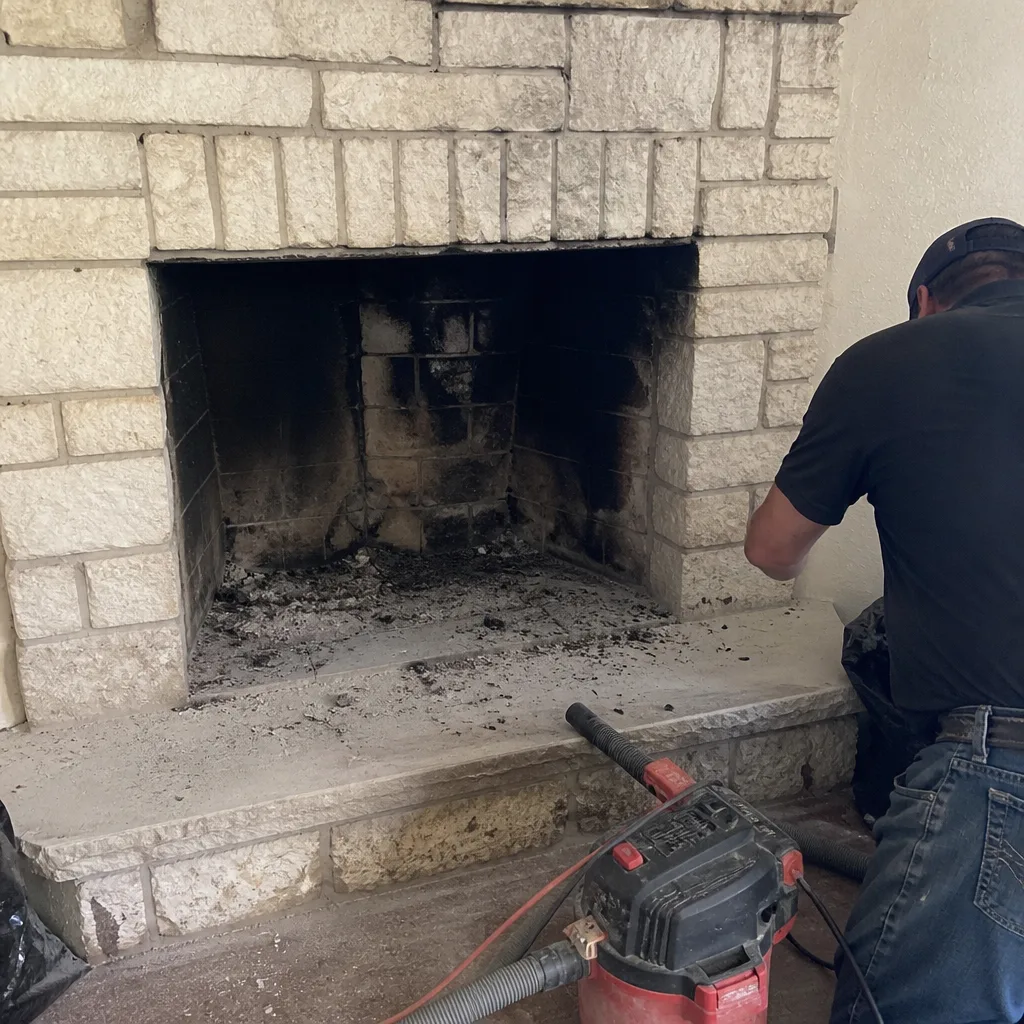 Before
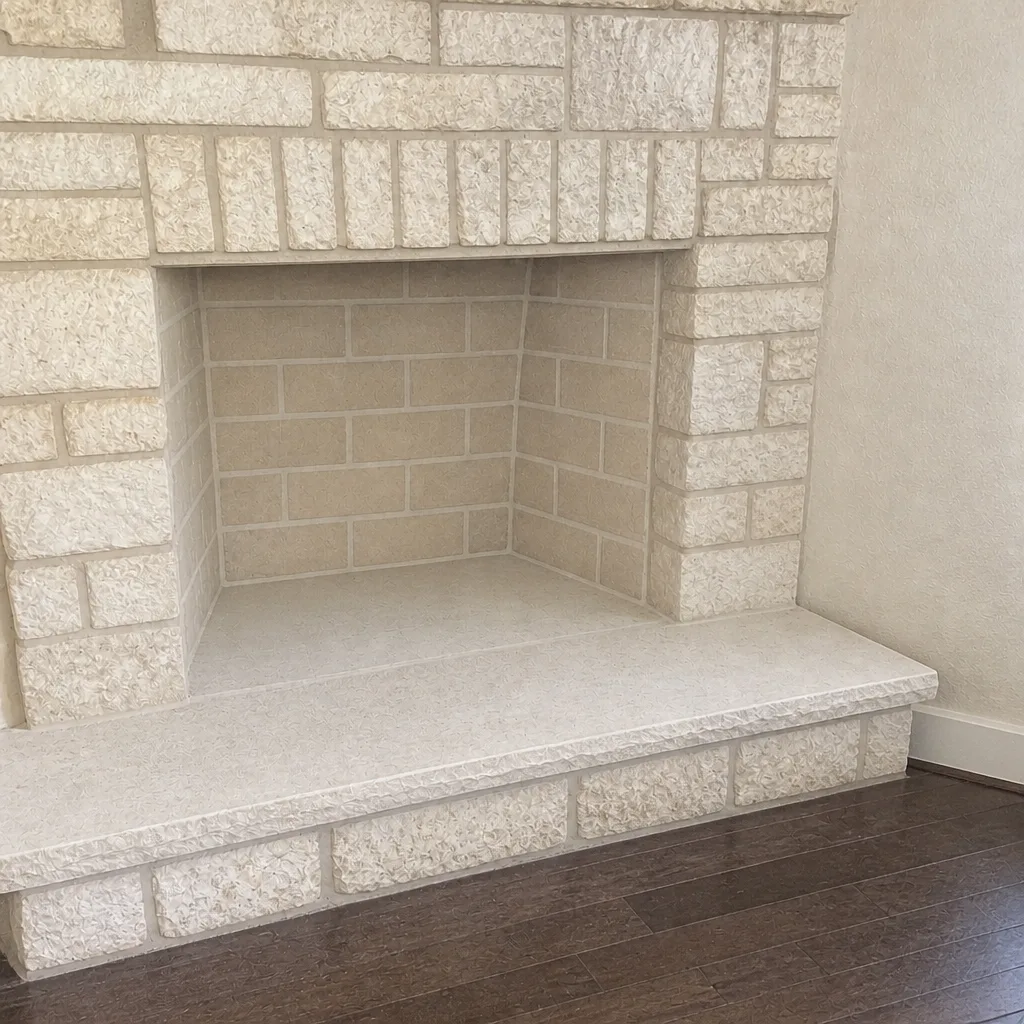 After
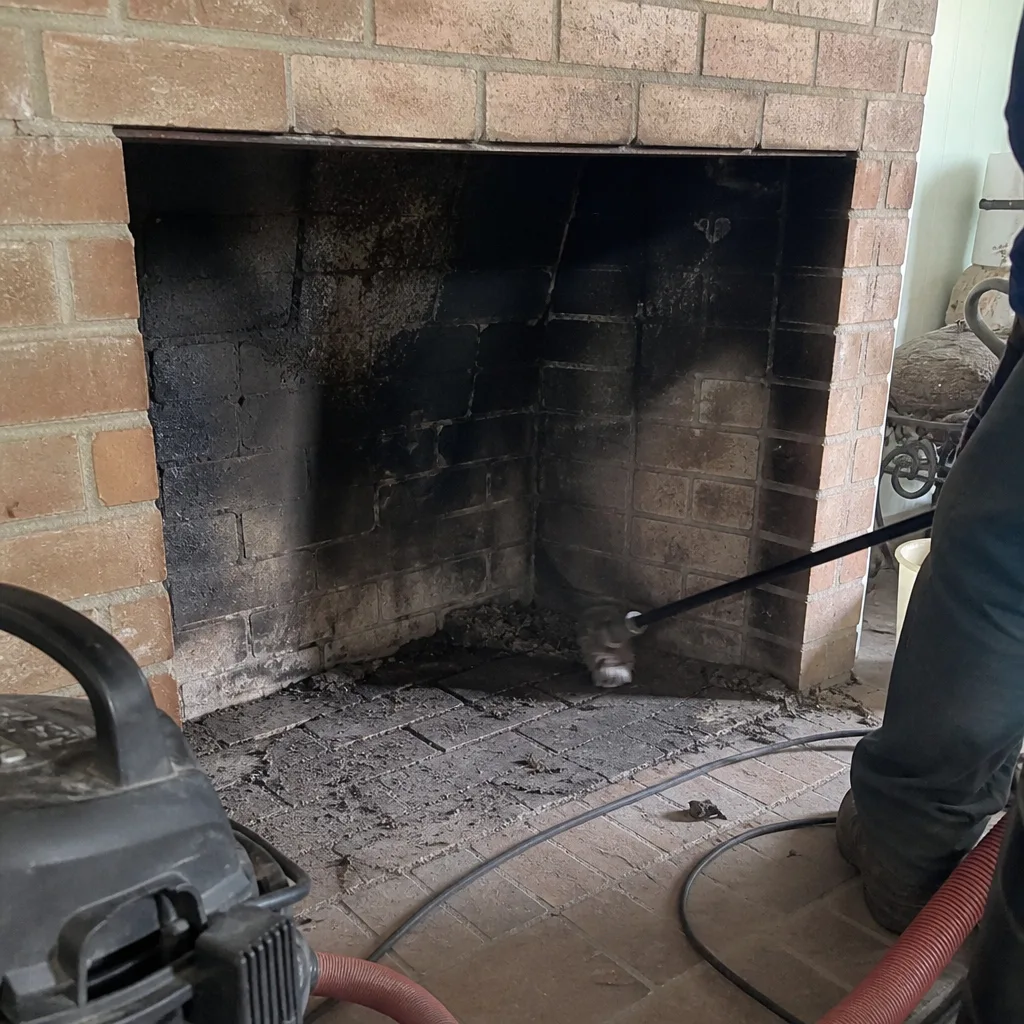 Before
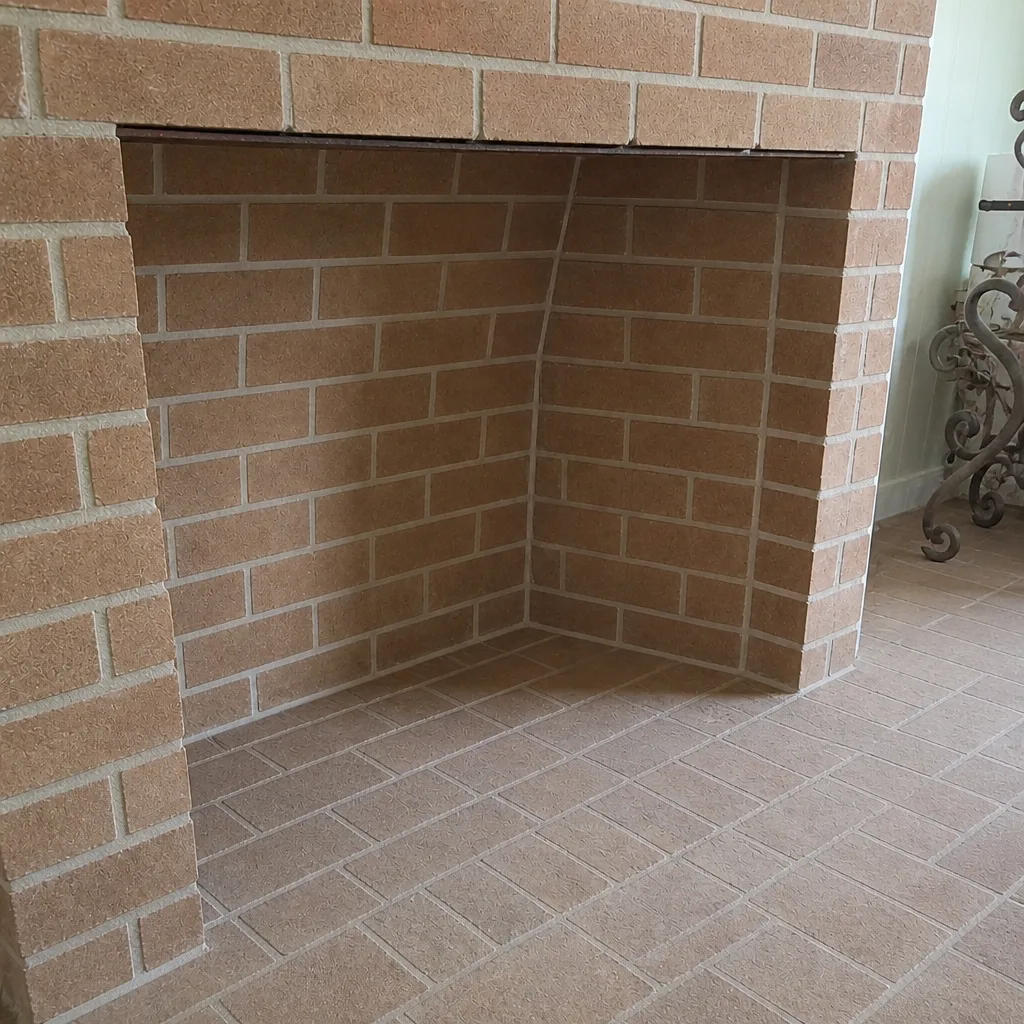 After
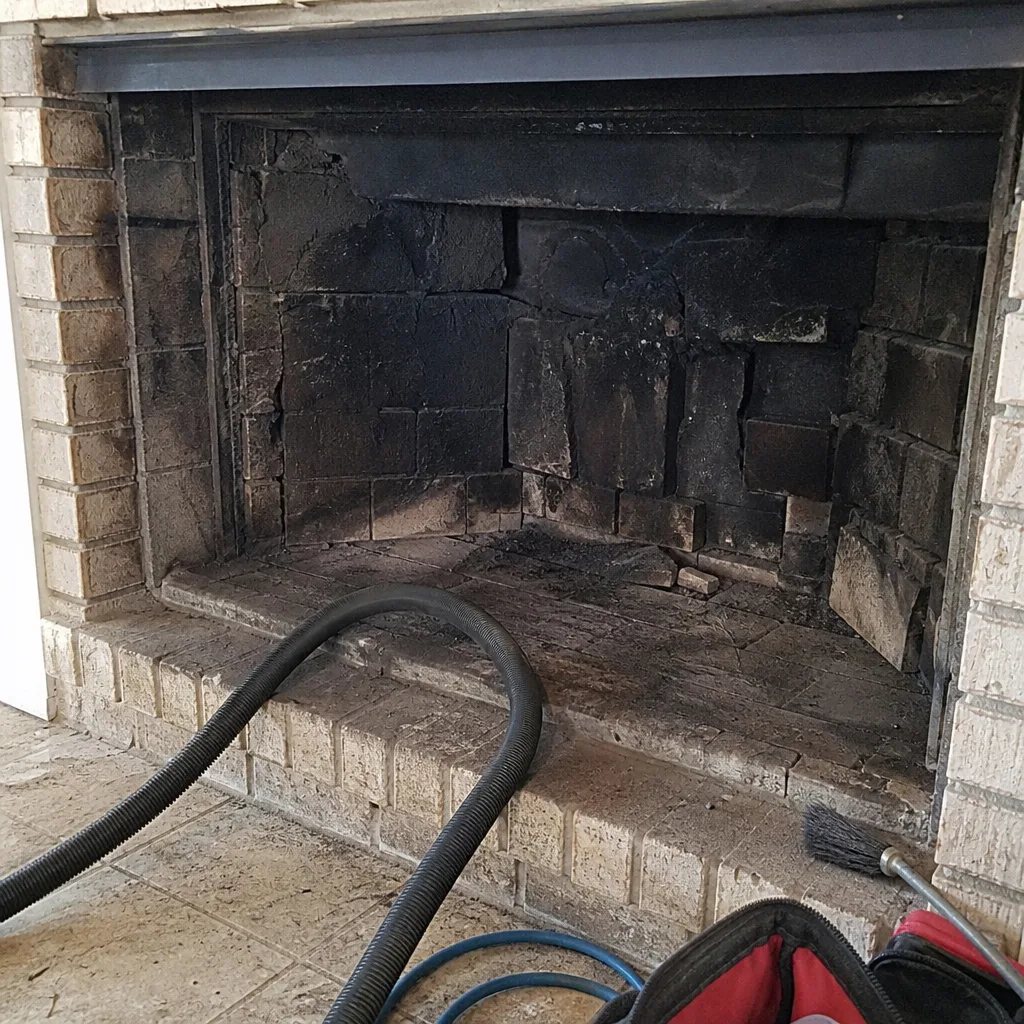 Before
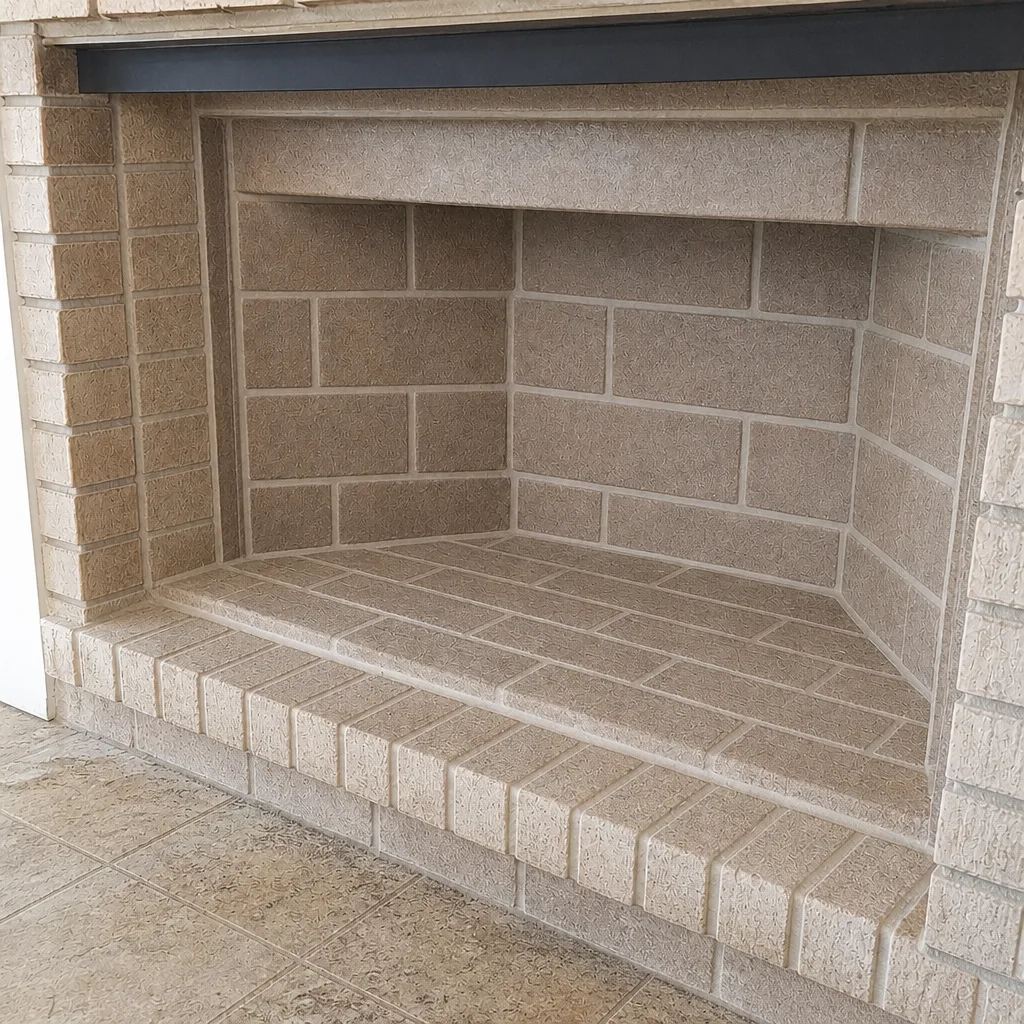 After
When to Call a Professional
Call a professional for anything on the roof or inside the flue. If you have smoke backing up into the room, a damper that won’t seal, visible firebox cracking, water staining after rain, or a cap that looks wrong after a storm, that’s a call now, not a wait-and-see. If you’re simply setting up a maintenance schedule, call to book a late-summer inspection before the season fills. A camera inspection, with evidence you can see for yourself, is how you’ll know whether a sweep or repair is genuinely needed and whether any of it can safely wait. Parkway Chimney Sweep offers free estimates in Brownsville – call (877) 729-8794. We answer 24/7. Fast dispatch from 7am to 7pm, Sunday through Friday.
Frequently Asked Questions
Most Brownsville chimneys should be inspected yearly and swept every two to three years, not annually, because fireplaces here typically see far fewer fires than in colder climates. The exact interval depends on how much you burn and what the inspection shows. Call (877) 729-8794 for an exact assessment – estimates are free.
Only if a camera inspection shows the existing flue lining is actually failing, cracked or improperly sized. A failing liner is a real fire and carbon-monoxide concern, but it’s also the most over-quoted repair in the trade. Ask to see the camera footage. Nothing should be recommended here without evidence you can see. Call (877) 729-8794 to book an inspection – estimates are free.
For a low-use Brownsville fireplace, the likeliest result is water intrusion from a degraded cap or crown, animal nesting in the flue, or a damper seal that fails while the chimney sits idle. Those cost more to fix later than to prevent now. Creosote is a real fire risk for heavy users, but for most homes here the quiet, moisture-driven damage is the more common problem. Call (877) 729-8794 for a free estimate.
Yes, for the safe visual tasks: test the damper, look up the flue with a flashlight from the firebox, check the firebox walls for cracking, and inspect the cap and crown from the ground with binoculars. Do not climb onto the roof, and do not sweep or inspect the flue interior yourself. Those need a trained specialist.
You usually can’t tell from the ground, which is why a professional inspection after any significant storm is recommended. A displaced cap, a cracked crown or loosened flashing is often invisible until rain gets in. If you’re in Brownsville and a storm has passed, book an inspection rather than assume. Call (877) 729-8794 – estimates are free.
Late summer, ideally August or September, is the best time to book. You get priority booking before the fall rush, and you have time to fix anything an inspection turns up before the first cold front arrives. Waiting until the weather turns means competing with everyone else who did the same. Call (877) 729-8794 to book – estimates are free.
The Bottom Line
A chimney schedule in Brownsville is a moisture-and-obstruction schedule first, and a creosote schedule second. Inspect yearly, sweep only when a camera inspection shows you need it, and add a check after any significant storm. Do the safe visual tasks yourself – damper, firebox, sight-line, cap from the ground – and hand the roof and flue interior to a specialist. Book in late summer so the season doesn’t catch you short. None of this is expensive if it’s done in the right order, and all of it is cheaper than the repair you would need if a cap or crown went unchecked through a rainy season. Our team handles inspection, cleaning and repair, on trade-grade parts, so you know exactly what’s going into your flue and why. If you want the schedule started right, call (877) 729-8794 for a free estimate in Brownsville.
Written by the team at Parkway Chimney Sweep.