
Last updated November 16, 2026
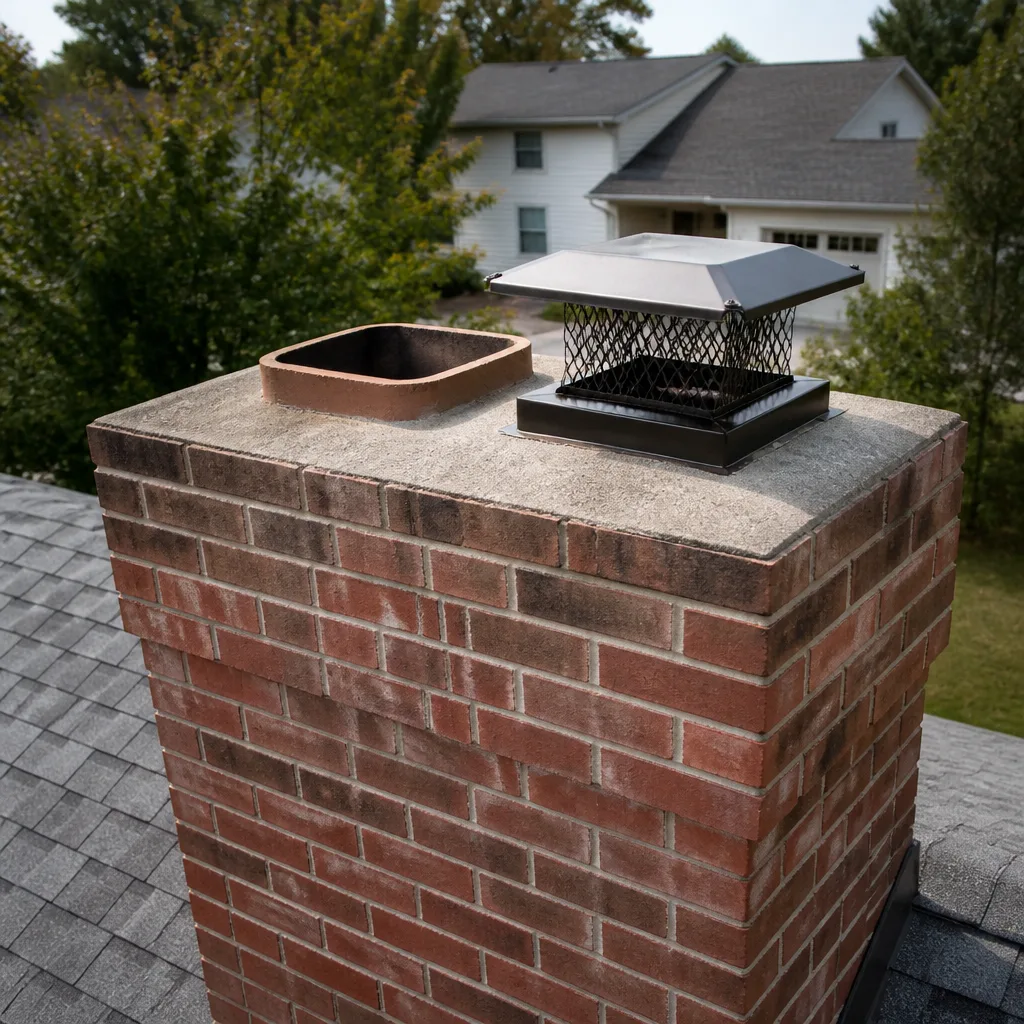 Sweep & inspection
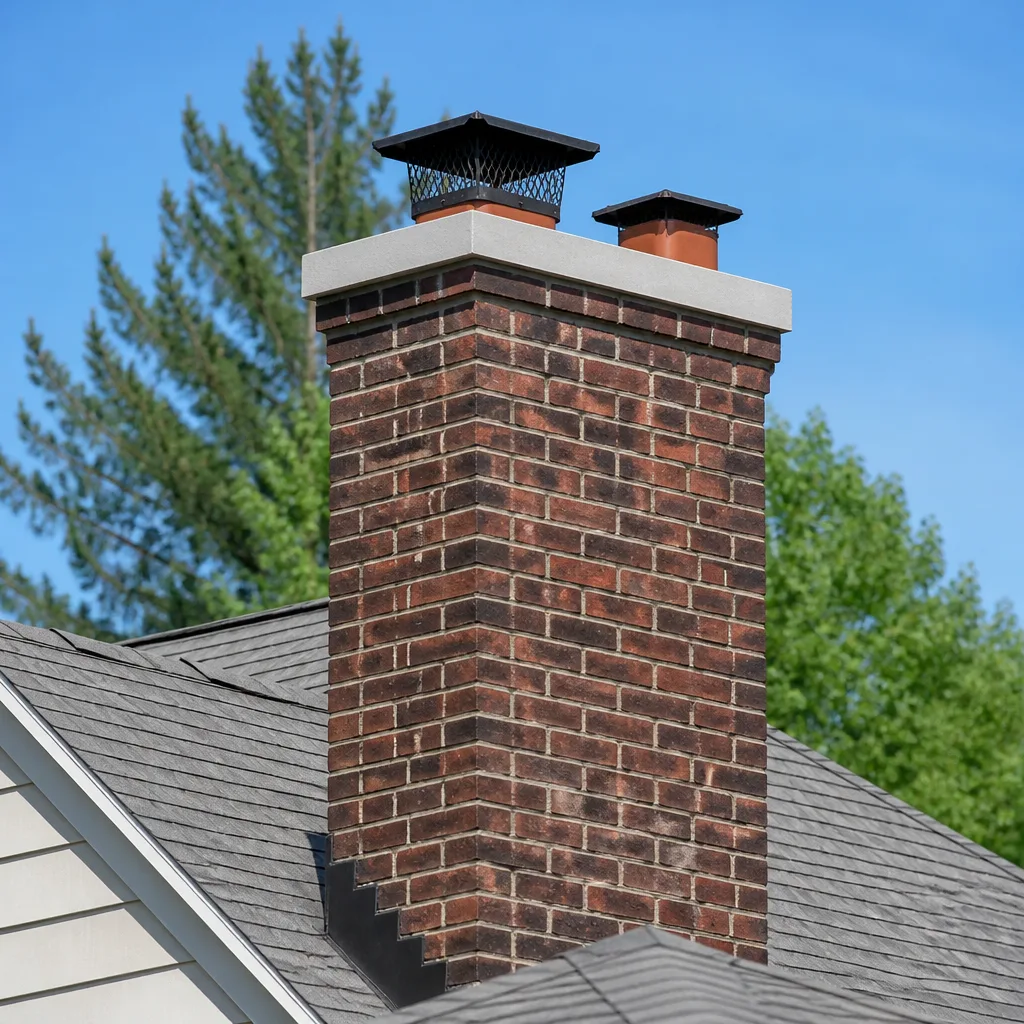 Caps & crowns
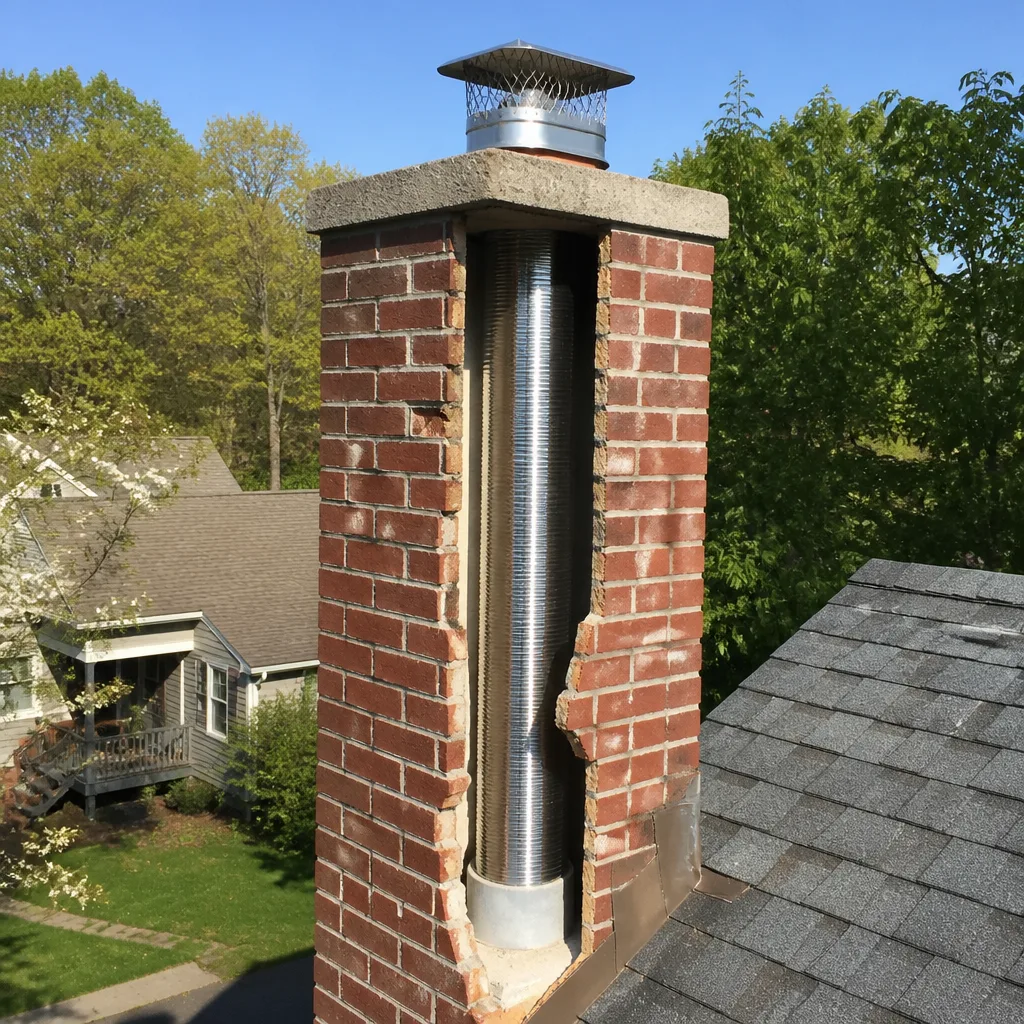 Flue relining
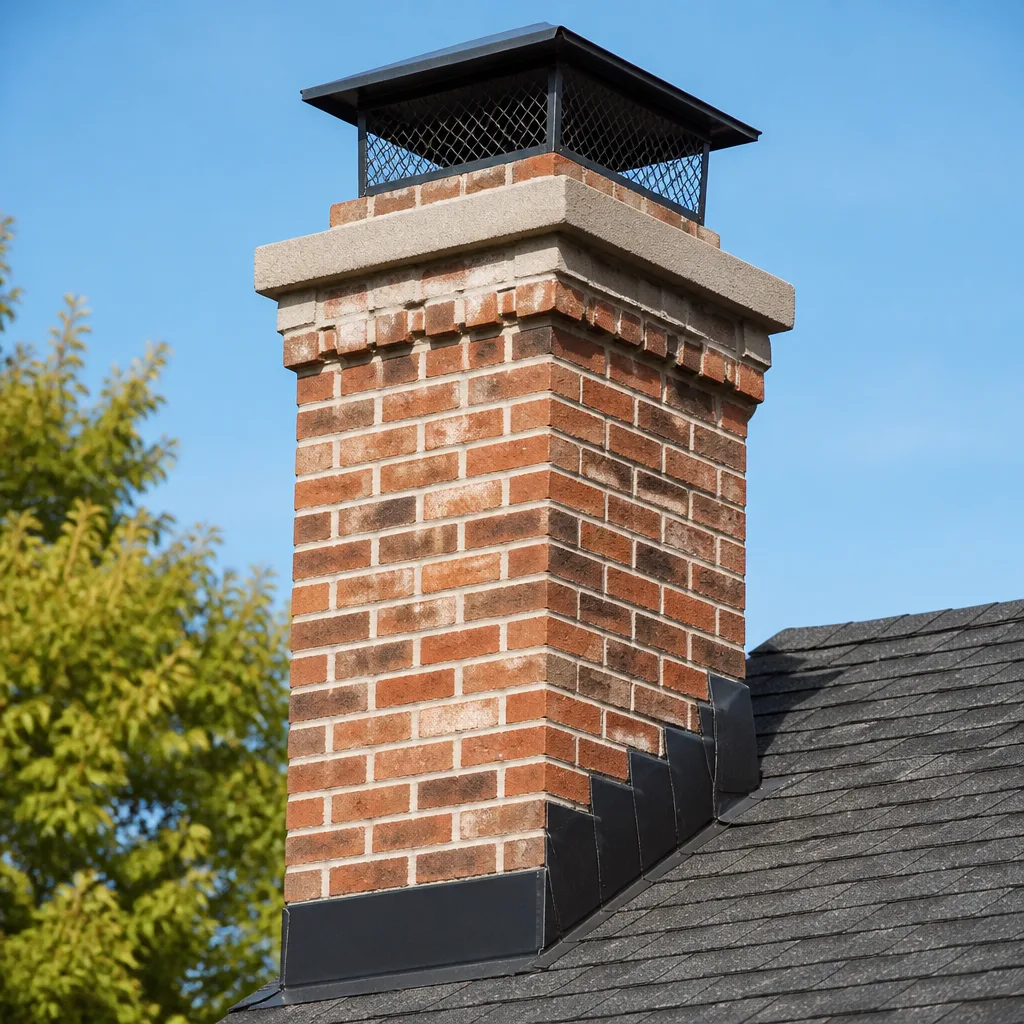 Masonry repair
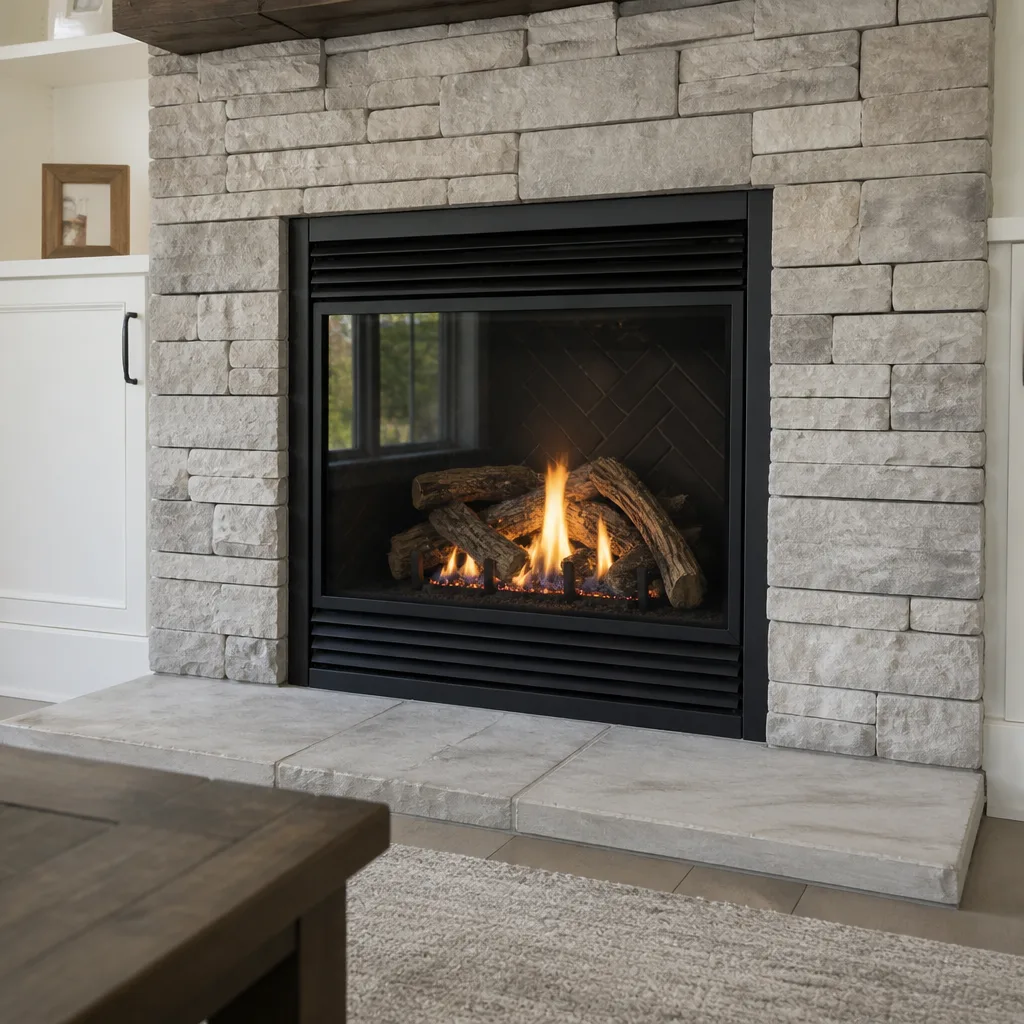 Gas fireplace service
Level 1 sweep and inspection to the NFPA 211 annual standard - flue, crown, cap, and flashing checked and photographed
Chimney sweep logs do not sweep chimneys. They loosen some creosote - which then falls where a brush and vacuum still have to collect it.
Chimney Cleaning Warning Signs: A Brownsville Homeowner’s Reference Guide
A smoky firebox is the warning sign every article mentions. But there’s a sign that can precede a chimney fire by months, and it almost never makes the list: a faint petroleum or tar smell on humid Brownsville evenings when no fire has been lit. That smell is creosote vaporizing in a warm, damp flue, and it means glaze has built up enough to react to the weather itself. This reference covers the signs Northern-focused guides skip, from off-gassing odors to mud dauber blockages, and separates what you can monitor yourself from what needs a professional before you light another fire. Brownsville homes fail differently, and the checklist should too.
Quick Answer
The warning signs that a chimney needs cleaning fall into five groups: smell (musty for moisture, acrid or petroleum for creosote), visible soot or glaze in the flue, exterior masonry damage like efflorescence and spalling, pest activity such as mud dauber nests or rustling sounds, and draft problems that show up as smoke spillage, weak fires, or a flue that won’t warm. In Brownsville, humidity and long stretches between burns make the smell and moisture signs more reliable than the obvious smoke symptom, and any of them is a reason to book a sweep and inspection before the next fire.
Styles & brands we work with
- Sweep & inspection
- Caps & crowns
- Flue relining
- Masonry repair
- Gas fireplace service
Table of Contents
- Smell-Based Warning Signs in a Humid Climate
- Exterior Masonry Signs Unique to South Texas
- Pest-Related Warning Signs
- Draft Failure Symptoms You Might Misread
- Soot, Glaze, and What the Flue Tells You
- What You Can Monitor vs. When to Call
- When to Schedule Before Burning Season
- How a Professional Checks for These Signs
Smell-Based Warning Signs in a Humid Climate
Your nose is a better diagnostic tool in Brownsville than the national checklists admit. Around here, chimneys sit unused through hot, damp months, and that long idle period lets moisture and creosote interact in ways a cold-climate chimney never sees. An odor that arrives with the humidity, before you’ve burned a single log, is telling you something specific.
Here’s how to separate the two main smell categories:
- Musty, earthy, or basement-like odors. These point to moisture intrusion. Water is getting into the flue or firebox, often through a cracked crown, an open chase, or a cap that’s missing or failing. In Brownsville’s humidity, a small water entry doesn’t dry out the way it would in a dry climate; it feeds a slow, persistent dampness that weakens mortar and rusts dampers.
- Acrid, creosote-like, or faint petroleum/tar odors. These point to creosote buildup, specifically the glazed third-degree type that forms when fires burn cool and smoky. On warm, humid evenings the retained heat in the masonry can cause this glaze to off-gas even with no fire burning. That smell is a strong signal the flue is overdue for cleaning.
Pay attention to timing. A smell that shows up only after rain is moisture. A smell that shows up on hot, still, humid days with no rain is more likely creosote reacting to the environment. Both are reasons to act before your first fall fire, and neither is a reason to light a “test fire” to see if it clears up; a test fire adds more heat and vapor to a problem you haven’t diagnosed yet.
One nuance worth knowing: a cold chimney can have a slightly smoky smell after a fire, and that’s normal for a day or two. A smell that persists for weeks, or arrives before any fire, is the one to book a chimney sweep for.
Exterior Masonry Signs Unique to South Texas
Walk outside and look at the chimney itself. In Brownsville, the exterior tells you things a flue camera can’t, because the damage you’re seeing started on the outside and is working its way in. UV exposure and moisture cycling do very specific things to South Texas masonry, and each pattern points to a different underlying problem.
Efflorescence is the white, powdery staining that appears on brick and mortar. It happens when water moves through masonry and evaporates, leaving mineral salts behind. A little on a new chimney is usually harmless, but recurring or spreading efflorescence means water is consistently entering and exiting the masonry, and that same water is taking a toll on the mortar joints and the flue tile behind the brick. Because Brownsville’s humid air slows evaporation, salts can stay in solution longer and travel further through the wall.
Spalling is masonry flaking, peeling, or popping off in pieces. It’s the stage after efflorescence, where moisture cycling has broken down the brick itself. If you find brick crumbs around the chimney base after a humid stretch, the masonry is failing, and that failure eventually lets water reach the flue liner and the firebox.
Stucco crown cracking from UV exposure. Many South Texas chimneys are finished with stucco, and stucco takes a beating from the sun here. The crown, the sloped cap at the very top that sheds water, is the most critical piece; when it cracks, water runs straight down into the flue chase. Hairline cracks in the crown are common and easy to reseal. Open cracks that run through the crown are a direct water entry that needs repair, and you’ll usually smell the musty odor indoors before you climb up to see the cause.
A chimney cap from a dedicated maker like Gelco or Famco is the same repair in reverse: it keeps the rain and wildlife out so the crown and flue stay dry between burns. That’s weatherproofing, not decoration, and it’s one of the highest-value things you can have on a Brownsville chimney.
Pest-Related Warning Signs
Subtropical insects and wildlife treat an uncapped chimney as move-in ready. This is the warning category Brownsville homeowners most often miss, because the signs are quiet and easy to blame on something else.
Watch for these pest signals:
- Rustling or scratching sounds in the flue, especially in the morning or evening. Birds, squirrels, and other wildlife drop into open chimneys; the sounds of them trying to climb back out are unmistakable once you know to listen.
- Debris raining into the firebox. Twigs, nesting material, feathers, and soot-clumped debris on the firebox floor point to an active nest above the damper.
- Mud dauber nest accumulation in the flue. This is the one that catches people out here. Mud daubers build small clay nests in sheltered spots, and a flue is a perfect shelter. A cluster of nests narrows the flue and can restrict the draft, and because wasps don’t make much noise, the reduction in draft is often the first thing you notice.
- Visible insect activity around the chimney top or indoors, which can mean a nest or a gap letting them through.
- A flue that suddenly drafts worse than last season, with no other explanation. A partial blockage from a nest is a common cause.
The fix is prevention plus inspection. A properly fitted cap is the main defense, and a sweep and inspection at the start of burning season is what catches nests built during the off-months. Never light a fire to “burn out” a nest; that’s how a blocked flue turns a small problem into a dangerous one. Call a professional service like Parkway Chimney Sweep to have the flue cleared and checked before your next fire.
Draft Failure Symptoms You Might Misread
Draft failure is the symptom most likely to be blamed on the weather. A smoky firebox on a windy day feels like a one-off, but in our experience the pattern matters more than any single fire. Draft failure means hot smoke isn’t being pulled up and out, and the causes are usually blockage, liner damage, or a flue that’s too cold or too large for the fire.
Here’s the uncomfortable truth: a weak draft isn’t self-correcting with time. It’s a warning that the chimney isn’t venting properly, and every fire you light while it’s failing pushes combustion byproducts into the room. That’s the carbon monoxide exposure risk, and it’s the reason a persistent draft problem is a professional call, not a wait-and-see.
Signs to take seriously:
- Smoke rolling out of the firebox when you open the glass doors, or spilling into the room during a fire.
- A fire that struggles to catch and keeps dying down, even with dry wood.
- Soot streaks or a smoky smell on the chimney face above the firebox or inside the room.
- A stove or fireplace that worked well last season and drafts poorly now with the same wood.
- Soot blowing back out of the flue, or a puff of smoke into the room when you open the damper.
Cold flues do lose draft on first light in cooler weather, and a stick of kindling near the damper can help warm the flue, but that’s a first-fire comfort trick, not a fix. If a fire needs coaxing on every start, or if smoke ever enters the room, treat the draft as a fault. A blocked or damaged flue can’t be warmed into working order.
Soot, Glaze, and What the Flue Tells You
The inside of your flue speaks a language, and reading it is the most direct way to know how soon a cleaning is due. You’ll see the visible evidence from the firebox, and the rest of it from the top or with a camera.
Start with what you can see at the fireplace:
- Look up the flue with a flashlight and check the damper, the smoke shelf, and the first few feet of flue. A thin, dusty film of soot is routine. A thick, black, crusty layer is not.
- Check for glaze. Creosote goes from fluffy to flaky to glazed, and glaze is shiny and hard, like tar. It’s the most combustible stage and the one that causes chimney fires. On warm, humid days it can even give off the petroleum smell described earlier. Glazed creosote can’t be brushed off; it needs a different approach.
- Look for soot streaks around the top of the firebox or a smoky film above the opening, which points to draft problems discussed above.
- Check whether the fire burns cleanly. Visible smoke from the chimney top means incomplete combustion and faster creosote buildup; a properly burning fire is mostly invisible, with just heat shimmer, or a thin wisp of white vapor on a cold day.
Here’s where Brownsville’s long off-season adds a twist: a chimney that only sees a handful of fires a year doesn’t actually build less creosote, because a light season of cool, smoky fires builds it just as readily as a heavy one. And because the buildup is small, it goes unremoved for several years, drying and hardening into glaze and reacting to the heat and humidity between burns. An annual check is what catches that slow accumulation; “I barely used it last year” is a reason to look, not a reason to skip.
What You Can Monitor vs. When to Call
Some signs are for your eyes. Others are for a trained technician, and knowing which is which is how you avoid two opposite mistakes: paying for a call you didn’t need, or lighting a fire on a chimney that needed attention months ago.
What you can monitor yourself:
- Smells that appear before or between fires.
- Exterior staining, crumbling mortar, and visible cracks in the crown or cap.
- The amount and type of soot you can see at the damper.
- How your fires behave season to season.
- Debris in the firebox and any animal sounds.
When to call before lighting another fire:
- Smoke enters the room when you use the fireplace.
- A strong creosote smell persists, with no fire lit.
- You see glaze, cracked flue tile, or a damaged liner from the firebox or the top.
- Signs of spilled water into the firebox, or rust on the damper.
- A nest or debris blockage is suspected.
- You’ve moved into a home and don’t know the chimney’s history.
If a sign lands in the grey zone, the safe move is an inspection, which answers the question definitively. When we find something, the diagnosis comes with it; we can show you the condition of the flue rather than just tell you about it. Anything else would be asking you to take our word for work you can’t see, and that’s exactly the position no homeowner should be in.
When to Schedule Before Burning Season
Timing matters more in Brownsville than in places with a long cold season. Our burning season is short and the between-seasons stretches are long and humid, which makes the post-summer check the most valuable visit of the year. The goal is to have the chimney cleaned, inspected, and any repair done before the first cool evening, when everyone else is also calling for the first time.
A practical sequence for the year:
- Late summer: book the sweep and inspection while the schedule is open. This is when moisture and pest damage from the humid months are most worth catching, and when there’s time to complete a repair before the season starts.
- Early fall: if the inspection found a repair need, complete it now, while the weather still cooperates and before the first fire.
- First cold snap: light fires with a cleared, inspected flue and know that the smoke you see is the weather, not a problem.
- End of season: note any smells, draft changes, or exterior damage you noticed and book a check if anything changed.
An annual sweep and inspection is the baseline for a wood-burning fireplace, and it’s the single visit that catches nearly everything covered in this guide at once. If it has been more than a season, or you’ve never had it done, that’s the call to make first, even if nothing on this page rings a bell.
One honest note: work can safely wait if the flue is clear and the structure is sound. We’ll say so plainly rather than turn a routine cleaning into a bigger project. Our prices are set per job by a written estimate, and the estimate is free, so the question of whether you need work never depends on the cost of asking.
How a Professional Checks for These Signs
A proper inspection links each sign on this list to an actual condition, so the recommendation comes from the chimney, not from a checklist. Here’s the general shape of a professional check for the problems described in this guide.
- Ask how the fire has been behaving: smoke patterns, draft problems, smells between fires, and any change from last season.
- Inspect the exterior first: the crown, cap, flashing, and masonry for the staining, spalling, and cracking described above. South Texas stucco and brick are part of the diagnosis, not an afterthought.
- Look down the flue: from the top when safe, and with a camera where the flue runs are long or the condition is unclear, checking for glaze, cracks in the tile, obstructions, and nest material.
- Check the firebox and damper: for rust, water staining, cracked masonry, and the condition of the damper mechanism.
- Sweep before the verdict: creosote and soot get removed so the flue can actually be seen, and the finding reflects the cleaned condition.
When repair is needed, the materials matter enormously. A cracked flue tile resurfaced with HeatShield ceramic resurfacing is a specialist repair, not a general masonry patch, and a relined flue is the job for a system like DuraFlex, engineered for the thermal cycling and flue performance a chimney actually sees. Caps and chase covers come from makers whose whole business is weatherproofing a chimney, like Gelco, Famco, Olympia Chimney, and Copperfield. That’s the difference between trade-grade materials and adapting a general construction product to a job it wasn’t designed for.
Parkway Chimney Sweep does the inspection, the cleaning, and the repair, which means one accountable company and one clear plan. For Brownsville homeowners, that’s the point of the reference: the signs are your alarm, but the diagnosis belongs to a trained set of eyes. If you want to start the process, our Brownsville page explains what a visit covers.
Common Mistakes to Avoid
- Testing a suspect chimney with a fire. Lighting a fire to see if a smell or a smoky draft clears up only adds heat and combustion to a problem you haven’t diagnosed. Book the inspection instead.
- Assuming a light burn season means less maintenance. In Brownsville, a few cool, smoky fires each year can build glaze just as readily as a heavy season, and the long humid idle months are when that buildup reacts with the weather. Annual checks catch it.
- Ignoring a pre-fire smell because the chimney isn’t smoking. The petroleum or musty smell that shows up on humid days, before any fire, is often the earliest sign there is. It doesn’t need smoke in the room to be worth acting on.
- Blaming a weak draft on the wind. Wind can make a marginal fire misbehave, but a fire that drafts poorly only sometimes is more likely a partial blockage, a mud dauber nest, or a liner issue. When in doubt, inspect rather than adapt.
- Resealing a crown crack with a quick patch instead of checking the source. A patch over unaddressed water entry just traps moisture. South Texas UV will defeat most sealants that aren’t meant for a chimney crown, and the water finds its way in.
- Reading efflorescence as normal weathering. Recurring white staining means water is moving through the masonry, and that movement damages mortar, brick, and the flue behind it. Treat it as a first warning, not a cosmetic issue.
- Letting the cap go missing. An open flue top is an invitation to rain, birds, and mud daubers, all of which show up in this climate in force. A properly fitted cap is the cheapest line of defense a Brownsville chimney has.
See the difference
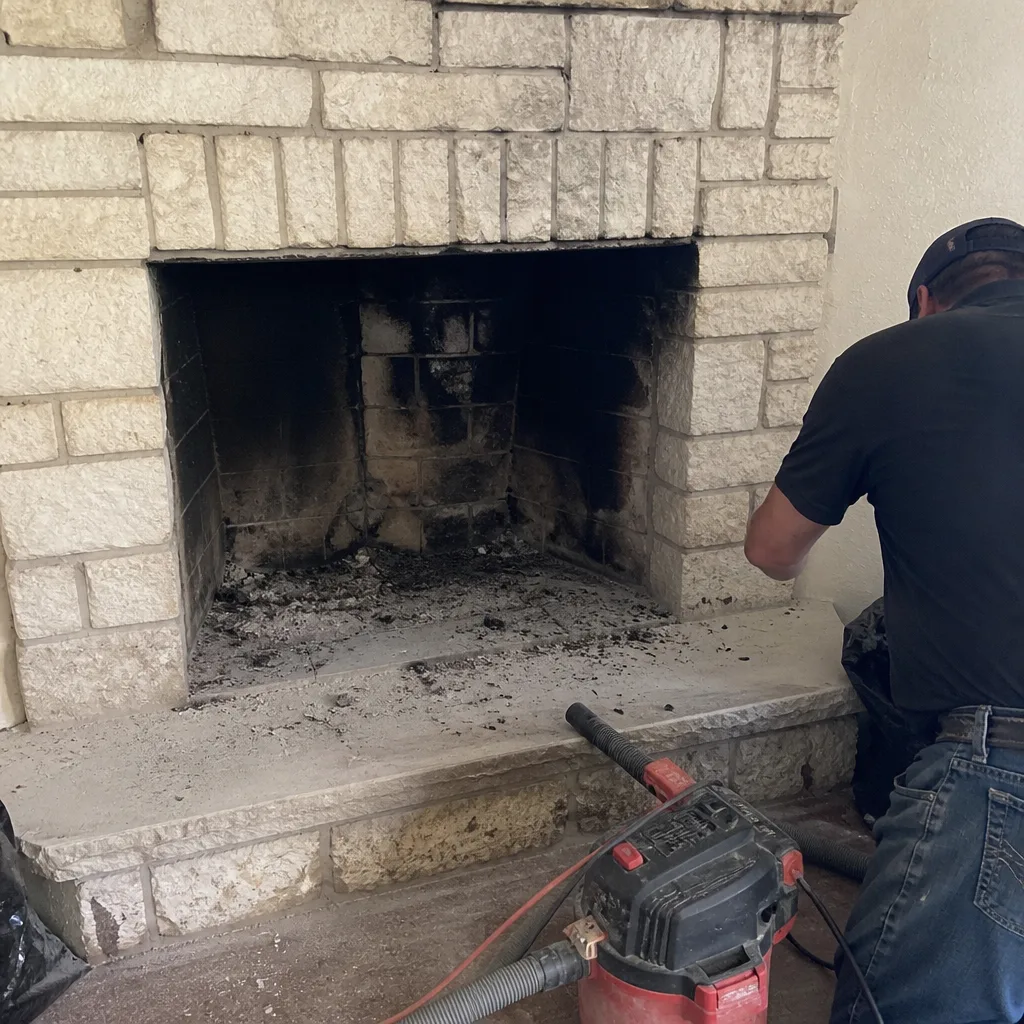 Before
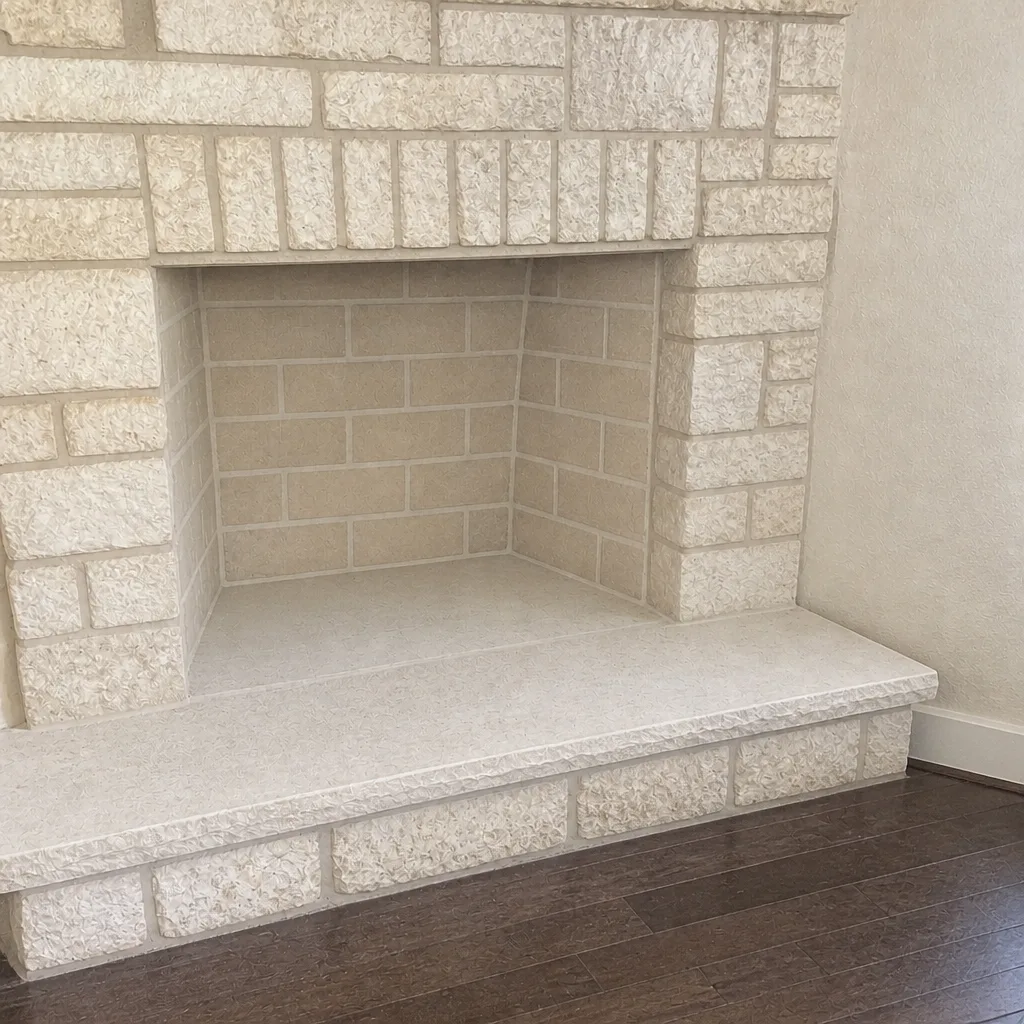 After
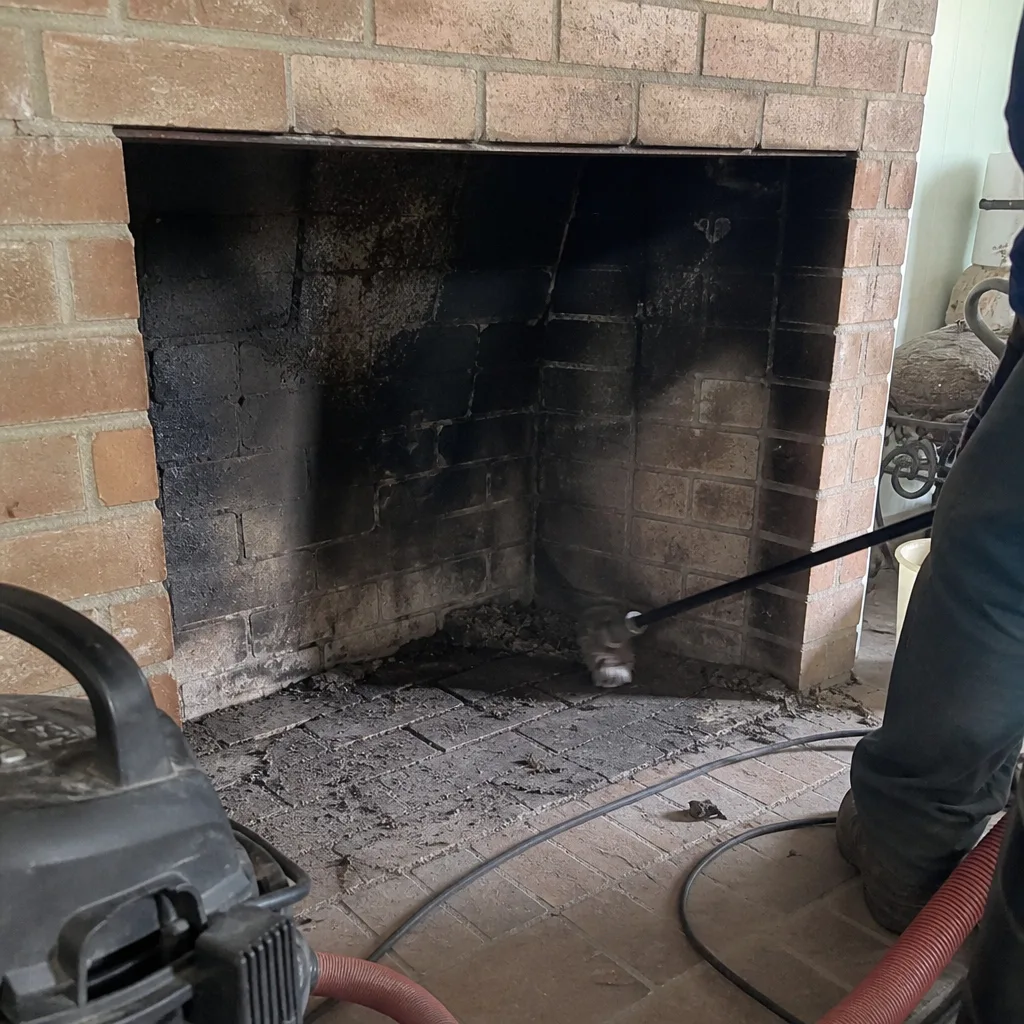 Before
 After
 Before
 After
When to Call a Professional
Call us before you light the next fire if any of these are true: smoke enters the room when you use the fireplace, a creosote or musty smell persists between fires, you can see glaze or damage inside the flue, you suspect a nest or debris blockage, water has found its way into the firebox, or you’ve moved into a home without a known chimney history. An inspection answers the question for good, and chimney repair work can be handled by the same company that sweeps and inspects. Parkway Chimney Sweep offers free estimates in Brownsville, so the cost of asking is nothing. Call (877) 729-8794. We answer 24/7. Fast dispatch from 7am to 7pm, Sunday through Friday.
Frequently Asked Questions
In our experience, the earliest signs here are smell-based: a faint petroleum or tar odor on humid evenings before any fire, or a musty odor that points to moisture. Smoke spillage and visible soot are usually later signs. If either smell shows up, that’s your cue to book an inspection rather than wait for a stronger signal. Call (877) 729-8794 for a free estimate.
A petroleum or tar smell on a humid day with no fire usually means glazed creosote is off-gassing, because the masonry stays warm in Brownsville’s heat and the humidity interacts with the glaze. A musty or earthy smell points to water getting into the flue. Both warrant a professional look before the next fire. Call (877) 729-8794 for an inspection.
White, powdery staining on the masonry is efflorescence, and it means water is moving through the brick or mortar and evaporating off. It’s not cosmetic; recurring staining points to an active water path, and the same water is working on the mortar and flue behind the brick. In Brownsville’s humid air the staining tends to persist and spread. Call (877) 729-8794 for an inspection.
Yes. Mud daubers build nests in sheltered spots, and a flue is a sheltered spot; a cluster narrows the flue and restricts draft, and they don’t make enough noise for most people to notice. Reduced draft is often the only sign. A fitted cap and a seasonal inspection are the prevention. Call (877) 729-8794 for a free estimate.
No. A smoky firebox can happen on a cold start or a windy day, and that’s usually a comfort issue you can manage by warming the flue. But smoke that enters the room every fire, or a draft that has clearly gotten worse since last season, is not normal and deserves an inspection before you burn again. Call (877) 729-8794 for a professional look.
Yes. A light burn season doesn’t remove the need for an annual check, and in Brownsville the long humid idle months are exactly when moisture, pests, and creosote build up problems you won’t notice until you light a fire. One inspection before the season catches most of them. Call (877) 729-8794 for a free estimate.
The Bottom Line
The warning signs a Brownsville homeowner should know are broader than the national checklist. Smells that arrive before any fire, exterior masonry staining and spalling that come from moisture cycling and South Texas sun, pest activity like mud dauber nests quietly cutting draft, draft failure misread as wind, and soot and glaze inside the flue all point to the same conclusion: the chimney wants an inspection, and the sooner it gets one the more likely it’s a simple cleaning. Call Parkway Chimney Sweep at (877) 729-8794 for a free estimate. We answer 24/7. Fast dispatch from 7am to 7pm, Sunday through Friday.
Written by the team at Parkway Chimney Sweep.