
Last updated November 16, 2026
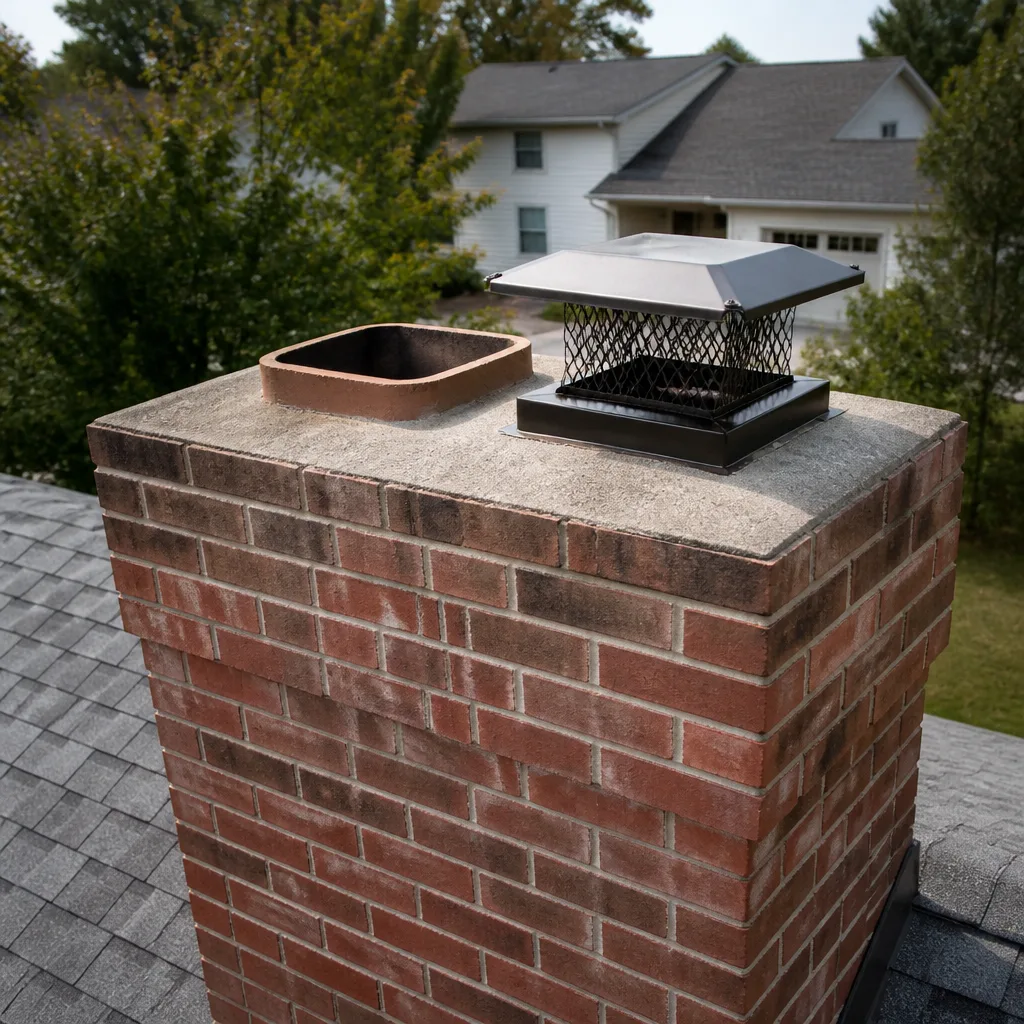 Sweep & inspection
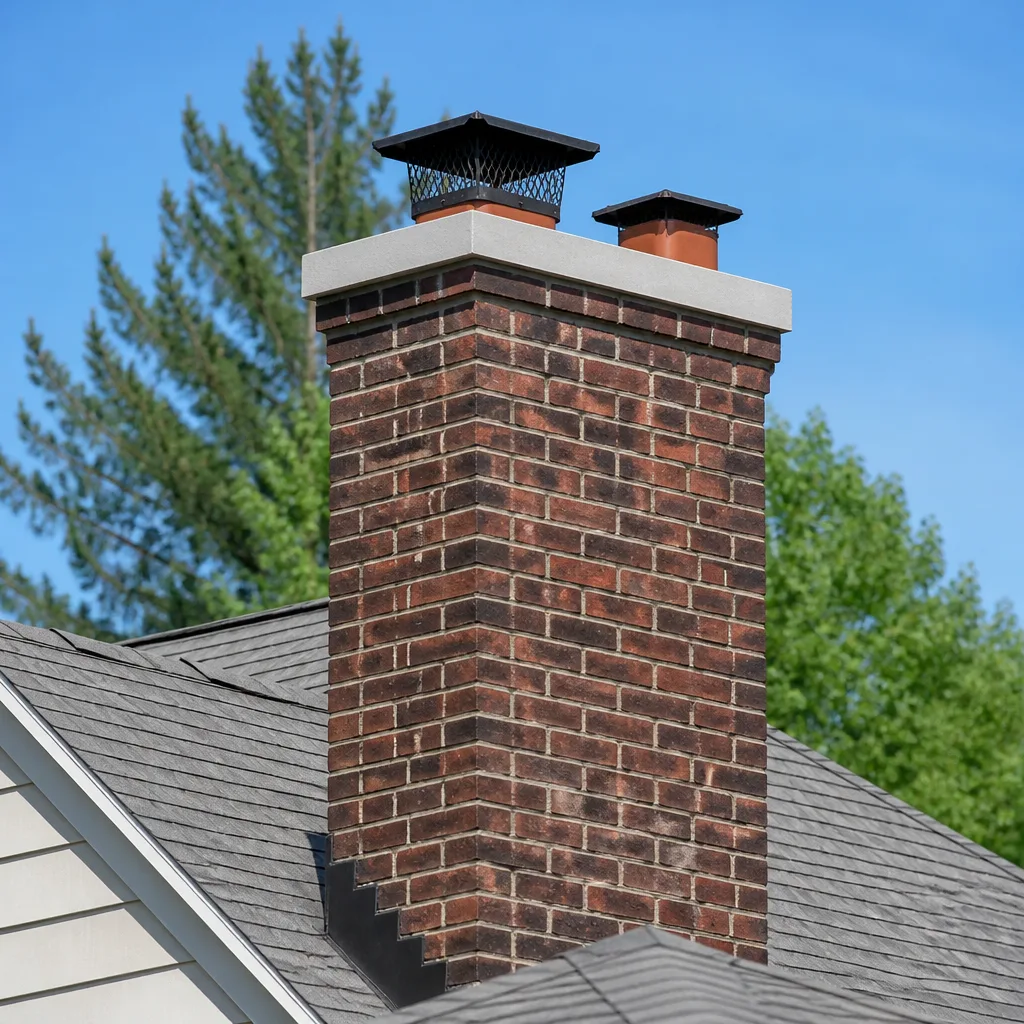 Caps & crowns
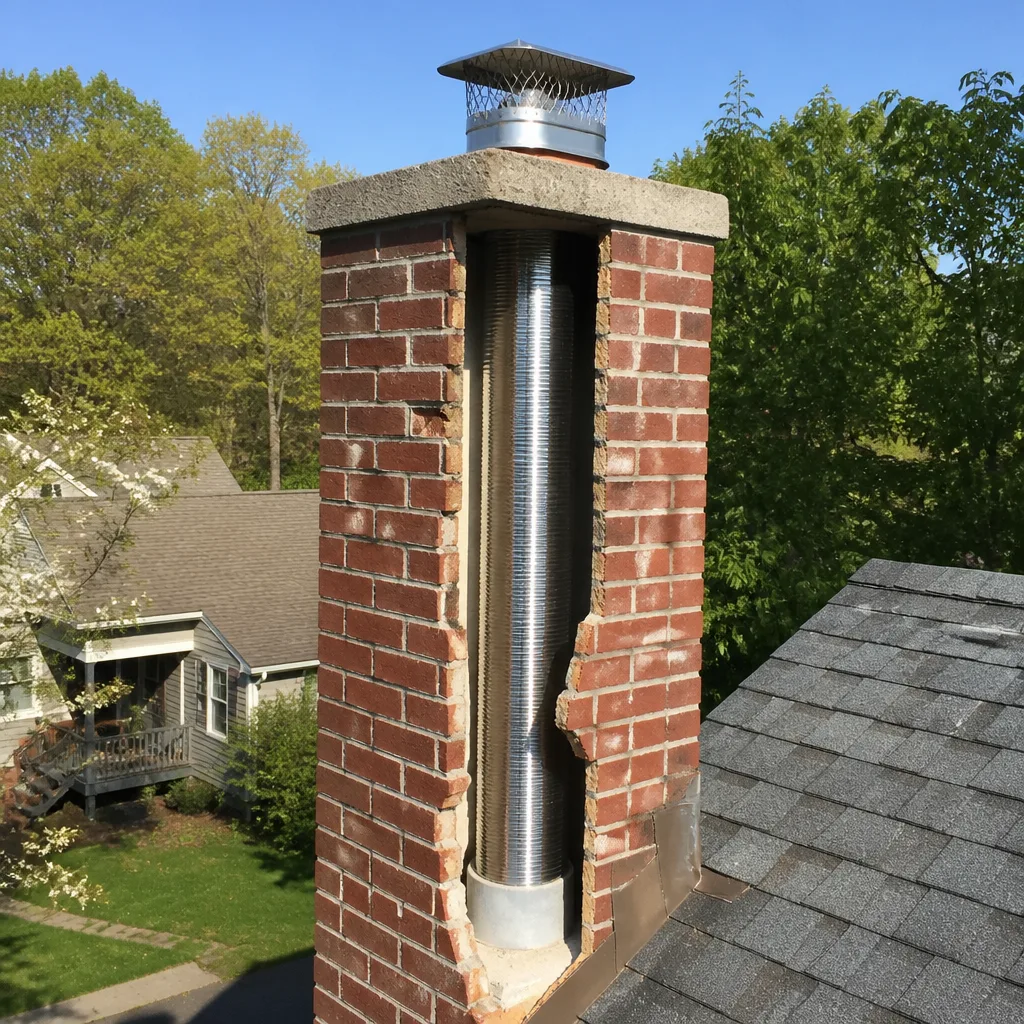 Flue relining
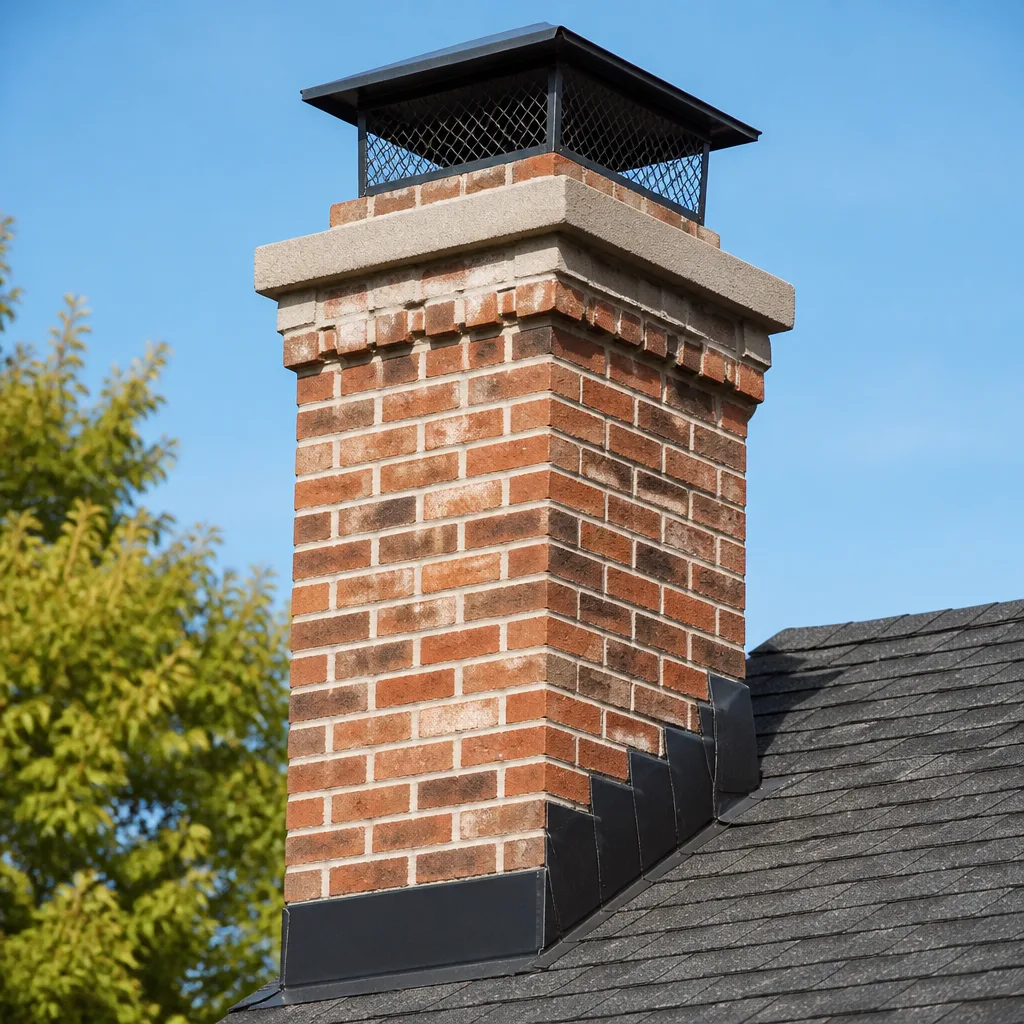 Masonry repair
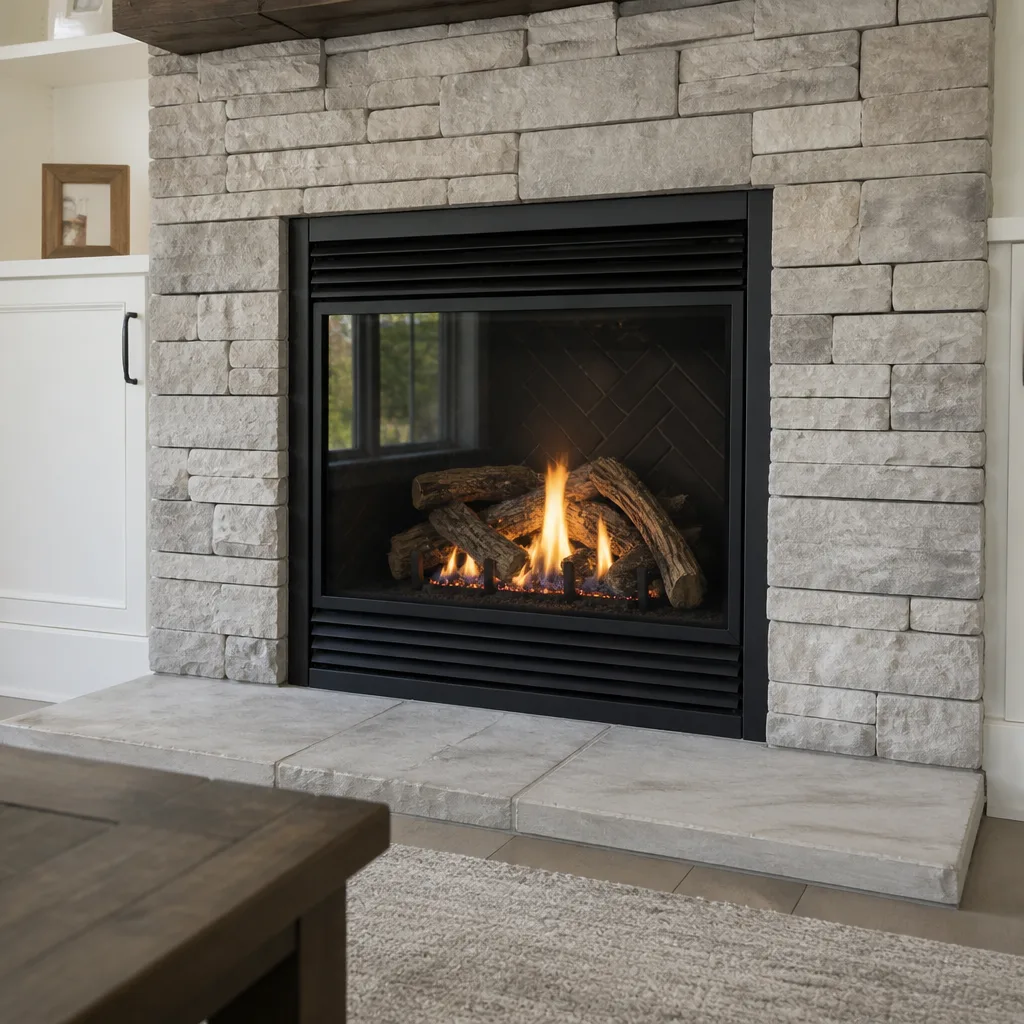 Gas fireplace service
Level 1 sweep and inspection to the NFPA 211 annual standard - flue, crown, cap, and flashing checked and photographed
Chimney sweep logs do not sweep chimneys. They loosen some creosote - which then falls where a brush and vacuum still have to collect it.
Chimney Cleaning Emergency Preparedness Guide for Brownsville Homes
Most chimney emergency guides assume the emergency is a chimney fire. In Brownsville, the emergency is just as likely to be a Category 1 hurricane that peeled back your chimney cap, drove water into the flue, and left a cracked crown you can’t see from the driveway. The harder problem: the fireplace still looks fine from the living room, so nothing stops you from lighting it come the first cool evening of burning season. Across the Gulf Coast, that pattern of “storm damage, then use, then fire” is one we think about constantly. This guide covers both emergencies, fire and storm, with the steps that actually help. You’ll learn what to do in the first 60 seconds of a chimney fire, how blocked flues turn into carbon monoxide problems in a sealed, air-conditioned house, and what a post-hurricane chimney protocol for Brownsville homes really looks like.
Quick Answer
Chimney emergency preparedness in Brownsville means two things: knowing exactly what to do if your chimney catches fire or your CO detector sounds, and knowing that a chimney exposed to hurricane winds and driving rain needs a professional inspection before you light the next fire. The single highest-value preparation is a current inspection report and a chimney sweep’s contact saved in your phone before the emergency starts. Both of those take a phone call and a bit of scheduling, and both are things you can arrange now, on a calm day, when nobody’s scrambling.
Styles & brands we work with
- Sweep & inspection
- Caps & crowns
- Flue relining
- Masonry repair
- Gas fireplace service
Table of Contents
- Brownsville’s Two Chimney Emergencies: Fire and Storm
- If Your Chimney Catches Fire: The First 60 Seconds
- Carbon Monoxide and Your Chimney in a Sealed Brownsville Home
- The Post-Hurricane Chimney Protocol
- Documenting Chimney Condition for Insurance
- Preparing Your Emergency Contacts and Records
- The Pre-Season Preparation Checklist
- The Safety Line You Should Never Cross
Brownsville’s Two Chimney Emergencies: Fire and Storm
Brownsville sits where the Rio Grande meets the Gulf, and that location shapes every part of maintaining a chimney here. Two distinct events dominate: the chimney fire, which usually starts quietly in a creosote-lined flue, and the hurricane, which arrives with a loud and obvious wall of wind and does its damage to the outside of your chimney in the process.
They’re connected. A storm that loosens a cap, shears off a rain cover, cracks the crown, or drives water into a flue tile creates exactly the conditions that lead to a chimney fire the following winter. Water-soaked masonry spalls and cracks. A shifted cap lets rain and debris in. A partially blocked flue changes how smoke and heat move. None of that announces itself from the sofa.
The other thing about Brownsville: winters are mild. Burning season is short and often interrupted, so fires burn intermittently rather than steadily through the cold months. Intermittent fires in a cool flue produce more creosote than steady hot burns, because the smoke condenses against a cold surface before it leaves. A chimney in Brownsville doesn’t get a lot of use, but the creosote it does accumulate is often thicker than a homeowner expects.
That’s the case for treating chimney care here as two-sided preparation: fire readiness and storm readiness. Neither is dramatic. Both are scheduled, methodical, and easier to do before you need them.
If Your Chimney Catches Fire: The First 60 Seconds
A chimney fire is not always a roaring, obvious event. Many chimney fires burn slowly and quietly, and the homeowner has no idea it happened until an inspection afterwards reveals cracked flue tiles or warped components. Other times it announces itself clearly. Recognizing the difference matters.
How to recognize a chimney fire
- A loud crackling, popping, or roaring sound from inside the flue, often described as sounding like a freight train or a distant rumble.
- Dense, dark smoke or a whooshing sound coming out of the chimney top.
- Pieces of creosote or debris falling into the firebox or onto the roof.
- A strong, hot, burning smell inside the house.
- Black smoke or flames visible from the top of the chimney, or the metal chimney surfaces glowing.
If you see or hear any of these, treat it as a chimney fire until told otherwise by a professional.
The first 60 seconds
- Get everyone out of the house immediately, including pets. No stopping for belongings.
- Call 911 from outside. Even if the fire appears to be contained, chimney fires can extend into the surrounding framing, and only the fire department can rule that out.
- Do not put water on the fire in the firebox. It can flash into steam and burn you, and it can crack masonry and flue tiles, making the damage worse.
- If you can safely close the fireplace doors or damper (without exposing yourself to smoke or heat), do so to limit air feeding the fire. Never reach over flames to do this.
- Stay out of the house until the fire department says it’s clear.
911 vs. a chimney sweep
Call 911 when the fire is happening now, when you see smoke or flames, or when the CO alarm is sounding. Call a chimney sweep after the fire department has cleared the scene, because even a small chimney fire can crack flue tiles, warp a liner, or damage the crown, and the chimney can’t be safely used until it’s been inspected. If you’re not sure whether what happened was a fire at all, that’s a sweep call too. A chimney sweep combined with an inspection answers the question.
Carbon Monoxide and Your Chimney in a Sealed Brownsville Home
Carbon monoxide risk from a chimney is tied directly to whether the flue is doing its job. A clear, properly sized, intact flue carries CO and other combustion gases up and out. A blocked, cracked, or disconnected flue sends them into your house. And Brownsville homes tend to be tight and air-conditioned for most of the year, which removes the small drafts that used to make older homes slightly more forgiving.
What to watch for
Carbon monoxide is odorless, colorless, and tasteless, so the only reliable warning is a working detector. That said, these symptoms in more than one person at the same time, especially improving when you leave the house, are worth a call to 911 or a medical line:
- Headaches that don’t respond to the usual remedies
- Dizziness, nausea, or feeling disoriented
- Shortness of breath or chest tightness
- Confusion or unusual drowsiness
- Flu-like symptoms without fever, especially in several family members at once
Where to place CO detectors
- On every level of the home, including the room where the fireplace or wood stove is.
- Outside each sleeping area, so sleeping occupants can hear it.
- In a bedroom if that bedroom has a fireplace or attached bathroom with a combustion appliance.
- Mounted per the manufacturer’s instructions regarding height and distance from the fireplace.
What connects a blocked flue to CO buildup
Common causes include a bird’s nest or debris blocking the top of the flue, a liner that’s separated or cracked, a chimney cap that’s fallen across the opening, a backdraft from a kitchen or bath exhaust fan pulling combustion gases into living space, or soot and creosote restricting flow after a period of heavy burning. After a storm, all of those become more likely: wind can dislodge a cap, drive debris down, and crack masonry that was fine the day before. A blocked flue in a house with the windows closed is the classic setup, and it’s one reason we take carbon monoxide risk seriously in Brownsville specifically. If you’ve never had a CO detector, get one. If you have one, test it and check the battery.
The Post-Hurricane Chimney Protocol
Hurricanes are the defining seasonal hazard in Brownsville, and a chimney is one of the exterior features that takes damage in ways that are easy to miss. Winds on a Category 1 hurricane can loosen a chimney cap, shear off a rain cover, lift a chase cover, or crack a crown. Debris can fall against the chimney breast. Even without visible damage, the wind and driving rain will find the weakest joint.
Which storm conditions mean mandatory inspection before use
- Any hurricane or tropical storm that brought sustained winds over 40 mph through your neighborhood.
- Any storm where you visibly see a shifted, tilted, or missing chimney cap or chase cover.
- Any storm with significant flooding or water intrusion around the chimney breast, attic, or ceiling near the flue.
- Any storm that brought heavy wind-driven rain against the chimney side of the house.
- Any storm after which you see displaced mortar, cracked brick, or water stains inside the firebox.
If any of those apply, don’t light the fireplace until an inspection confirms the chimney is safe to use.
What a post-storm inspection must cover
Not just the visible cap. A proper post-hurricane inspection of a Brownsville chimney should include:
- The full exterior: cap, chase cover, crown, brick and mortar joints, flashing, and any visible movement of the chimney structure relative to the roof.
- The flue interior: liner integrity, cracks in flue tiles, separation at joints, and any blockage from debris or storm material.
- The firebox and smoke chamber: damaged parging, cracked brick, and signs of water intrusion.
- The damper: whether it still opens and closes and whether it’s sealed properly against the weather.
- The attic and ceiling near the flue: water stains, moisture, or signs of water traveling along the outside of the flue.
- The appliances or firebox connection: whether the stove, insert, or fireplace is still properly connected to the flue.
We treat the full service arc as the point: inspection, cleaning, and repair under one accountability structure, so a storm finding doesn’t get passed between three contractors. If a repair is needed, we work with products engineered for chimney service, not adapted from general construction: HeatShield ceramic resurfacing for resurfacing damaged flue tiles, DuraFlex flexible liner systems where a liner is compromised, and Gelco and Famco caps and chase covers where the storm has left the top exposed.
Documenting Chimney Condition for Insurance
Insurance claims for storm damage get easier when you can prove what the chimney looked like before the storm and what it looks like after. Doing both halves of that is a habit worth building now, before the next storm season.
Before storm season
- Take clear, dated photos of the chimney from all sides, including the cap and the roofline.
- Keep a copy of your most recent inspection report. It’s a dated, professional record of condition, which is much stronger than “it was fine before.”
- Note the make and model of any fireplace insert or wood stove, and keep the manufacturer’s documentation.
- Record liner type and diameter (flexible liner vs. tile, stainless vs. aluminum, size) if known. Your technician can confirm this from the top of the chimney and note it on the report.
After a storm
- Take photos from the same angles, dated, before any cleanup.
- Document the interior: firebox, damper, ceiling near the flue, and any water stains.
- Don’t throw anything away until an adjuster or inspector has seen it.
- Get a written inspection report that states what conditions the inspector observed and what was recommended. Written contractor findings are the backbone of a claim.
The same documentation habit helps if a chimney fire happens, because the insurer will ask the same questions: what condition was the chimney in before, what happened, what was the extent of damage, and what repair work will restore it. A pre-event inspection report is the strongest single piece of paper you can hold.
Preparing Your Emergency Contacts and Records
Preparedness is mostly logistics. The scheduling is easy on a calm day and impossible in a crisis, so do the setup work before you need it.
Contacts to keep on hand
- Your chimney sweep, with Parkway Chimney Sweep saved as a client contact.
- Your local fire department’s non-emergency number, for questions after a fire.
- Your homeowner’s insurance agent and policy number.
- A CO alarm company number, if your detector has one, for replacement parts.
Records to keep in one place
- Your most recent inspection report, dated.
- Manufacturer documentation for any insert, stove, or fireplace.
- Photos of the chimney exterior and interior, dated each year.
- A note of the liner material and size, if known.
- Any prior repair invoices or written recommendations.
Knowing your fireplace’s manufacturer and liner specs before an emergency matters because a repair decision often needs that information. A liner replacement should be matched to the appliance, and the written record saves time and second-guessing if the chimney is damaged. In our experience, the homeowner with a folder (physical or digital) has a much smoother recovery than one starting from scratch.
One more note on contact: the line is staffed continuously, and crews are dispatched Sunday through Friday, 7am to 7pm. If you’re calling at night or on a Saturday evening about a chimney that’s already stopped smoking, that call gets booked into the next available slot. If the chimney is still smoking, or a CO alarm is sounding, treat it as a 911 situation first.
The Pre-Season Preparation Checklist
Pre-season is the calm before the emergency, and it’s where a lot of the risk gets retired. Run through this list before your first fire of the year.
- Schedule a full chimney inspection and cleaning in the late summer or early fall, ahead of the first cold snap. We offer all three services in one visit through a chimney repair and inspection assessment, so nothing gets missed between visits.
- Test every CO detector and replace batteries.
- Check the chimney cap, chase cover, and crown from the ground with binoculars, or have them checked from the top during inspection.
- Verify the damper opens, closes, and seals properly.
- Clear combustibles away from the hearth, mantel, and firebox opening.
- Confirm the fireplace screen or doors are intact and in place.
- Do a “practice run” mentally: if the CO detector went off right now, where would you go, who would you call, and where are your keys.
- Save the chimney contact in your phone, and note the phone number of the fire department’s non-emergency line.
Every item on this list is something a homeowner can do without touching the inside of the chimney. The interior cleaning and inspection work belongs to a trained professional, and we’ll say why below.
The Safety Line You Should Never Cross
The chimney is a genuinely dangerous component of the home, and the difference between a minor repair and a serious injury often comes down to whether the work was done by a trained technician. High heat, confined spaces, carbon monoxide, and heavy components at height are not things to figure out from a video.
Two specific dangers are worth naming plainly. First, a chimney fire can ignite creosote in the flue and spread to surrounding framing. The problem with creosote is that it doesn’t just look like soot; it can burn at extremely high temperatures, and a flue fire can crack tiles and damage the liner without ever breaching the exterior wall. Second, carbon monoxide from a blocked or cracked flue is invisible and can accumulate quickly in a sealed house. Neither danger rewards a do-it-yourself approach.
What you should do instead: schedule a professional inspection and cleaning every year, keep a working CO detector, and never re-light a chimney that has been involved in a fire or a major storm until it’s been checked by a professional. If you suspect a problem right now, get out of the house and call 911. If you just need a professional assessment, Brownsville homeowners can schedule an inspection through us. Our technicians have up to 14 years of experience, and the materials we use (HeatShield ceramic resurfacing for flue repair, DuraFlex flexible liner systems where relining is needed, and Gelco and Famco caps and chase covers for weatherproofing) all come from professional chimney trade channels: Olympia Chimney and Copperfield. Trade-grade materials, not hardware-store substitutes.
Common Mistakes to Avoid
- Lighting the fireplace after a storm without an inspection. A cap that looks fine from the ground can be cracked, shifted, or missing underneath. The first fire after a hurricane is the classic ignition point for a chimney fire, and a pre-use inspection closes that gap.
- Assuming a chimney that “looks fine” is fine. Storm damage and creosote buildup are often invisible from the living room. The interior of the flue is where the risk lives, and that’s the part you can’t inspect from the sofa.
- Skipping the CO detector, or letting it go dead. In a tight, air-conditioned Brownsville home, a failed CO detector is the only warning that a blocked or damaged flue is sending combustion gases indoors. It’s a small device that carries a lot of the safety weight.
- Treating a chimney fire as “over” once the flames are out. The fire department clearing the scene doesn’t mean the chimney is safe to use. Flue tiles can be cracked, the liner can be warped, and that’s a sweep-and-inspection situation, not a wait-and-see situation.
- Throwing water on a fire in the firebox. Water flashes to steam and can crack masonry and flue tiles, or scald someone nearby. Get out, call 911, and let the fire department handle it.
- Not keeping records. No inspection report, no dated photos, no manufacturer documentation means a much rougher time with an insurer after a storm or a fire. Keep a folder, digital or physical, and update it each year.
- Waiting for the first cold snap to call. On the Gulf Coast, that first cool evening often arrives without much warning, and the schedule fills up. Late summer and early fall are when the calendar is more forgiving.
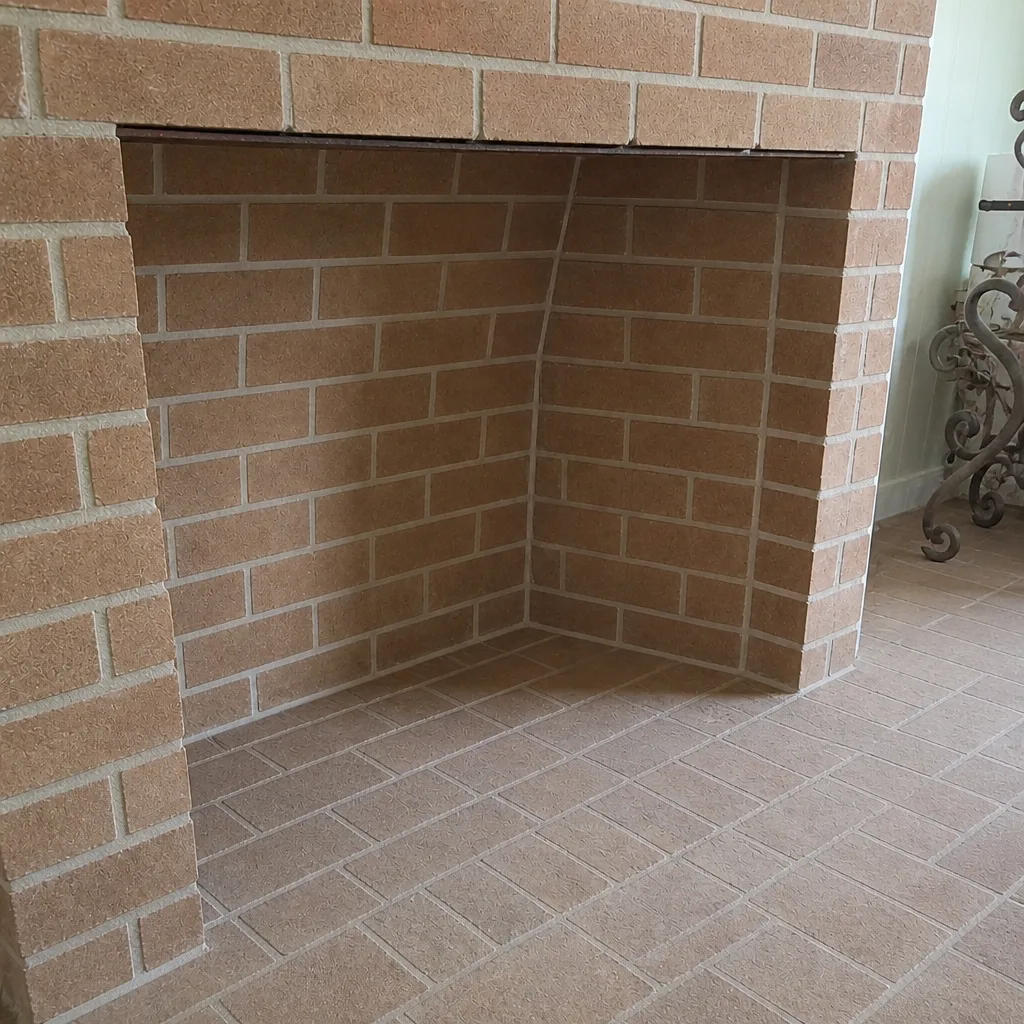
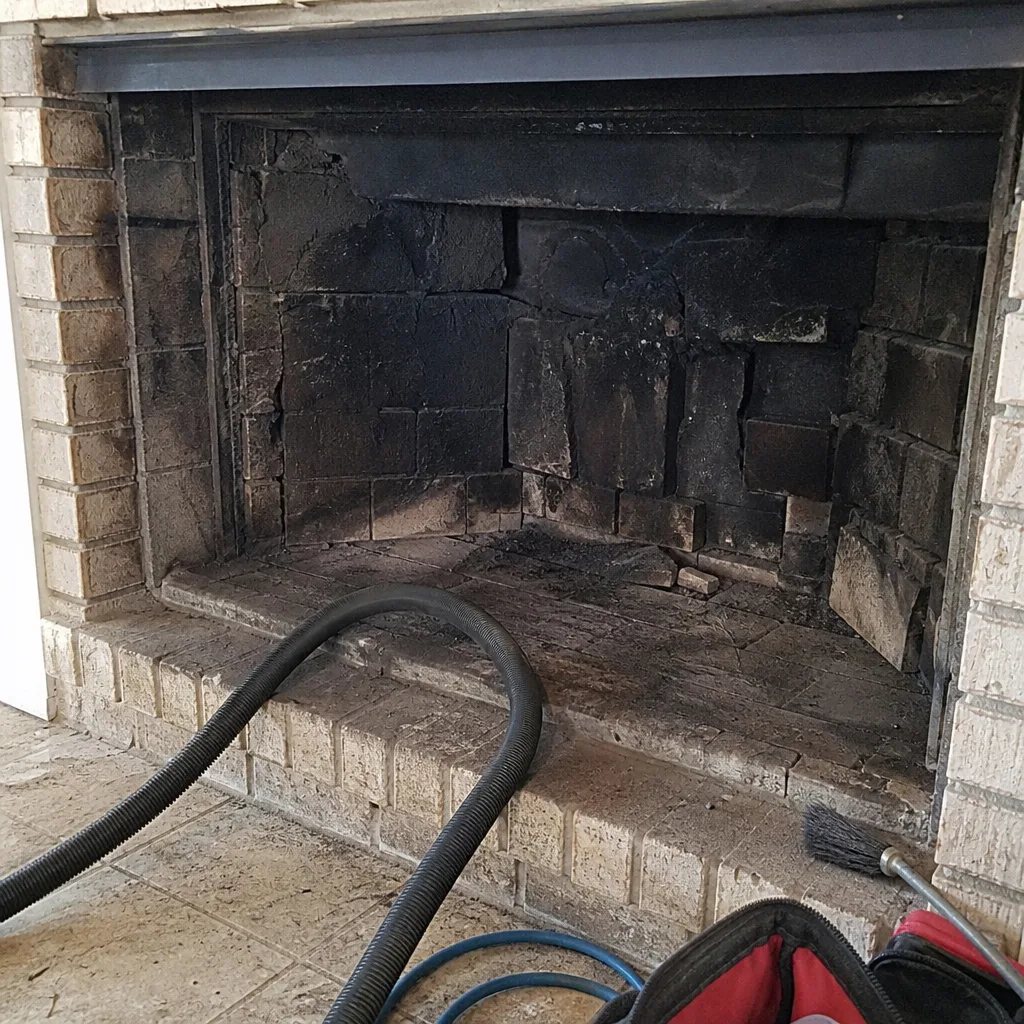
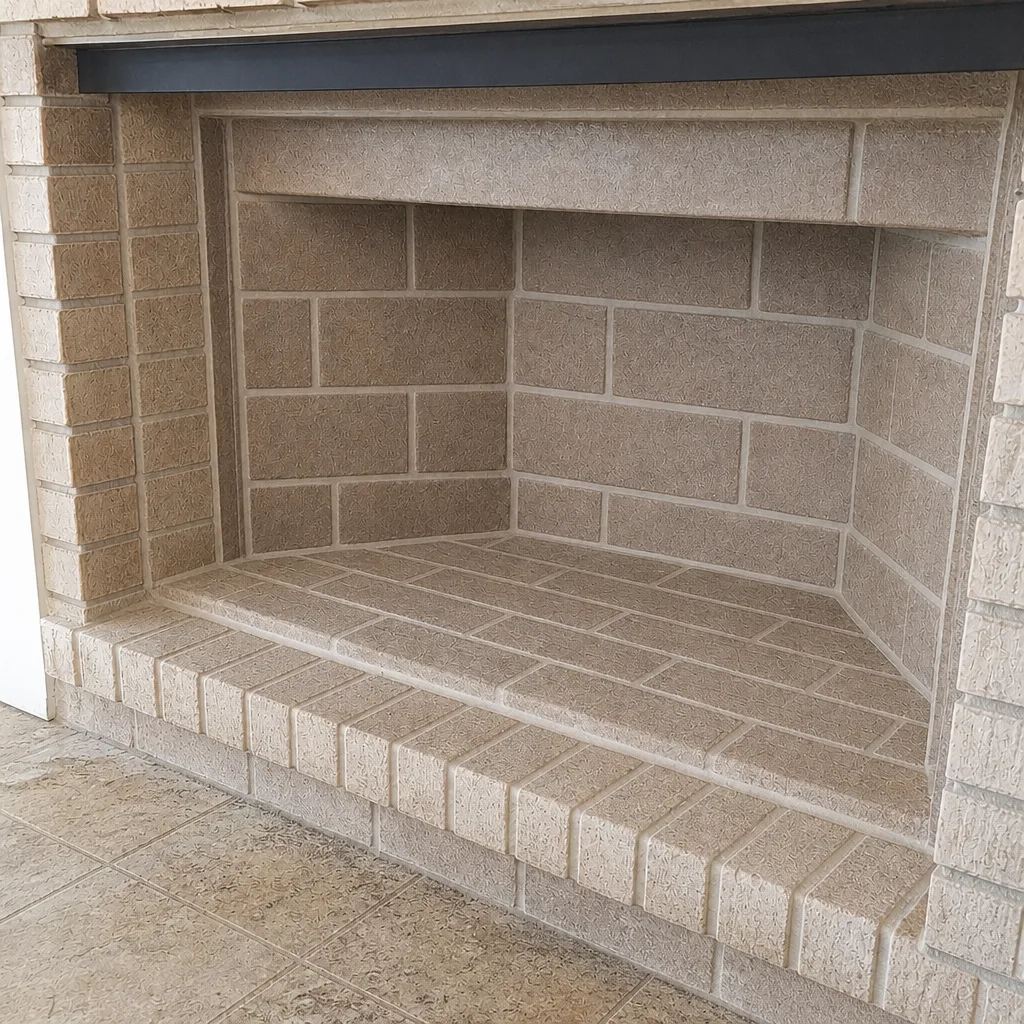
See the difference
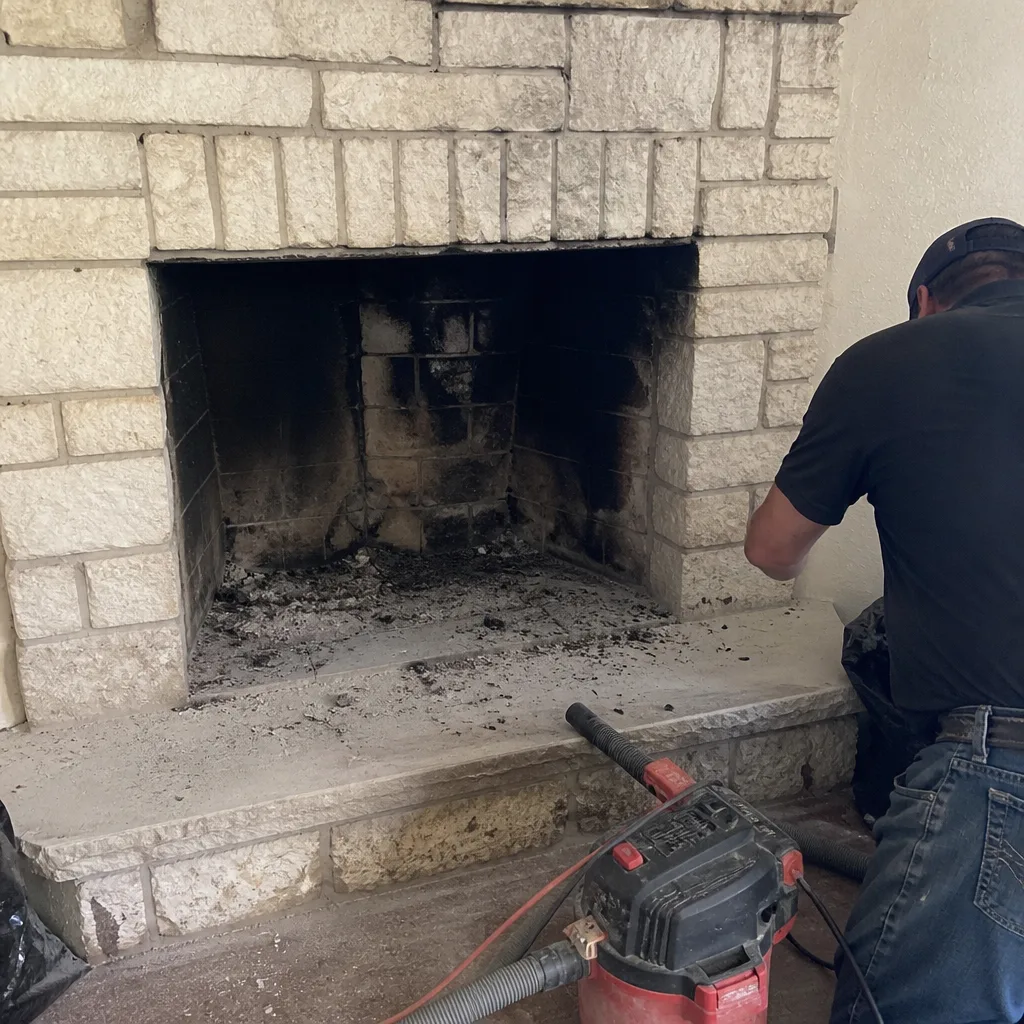 Before
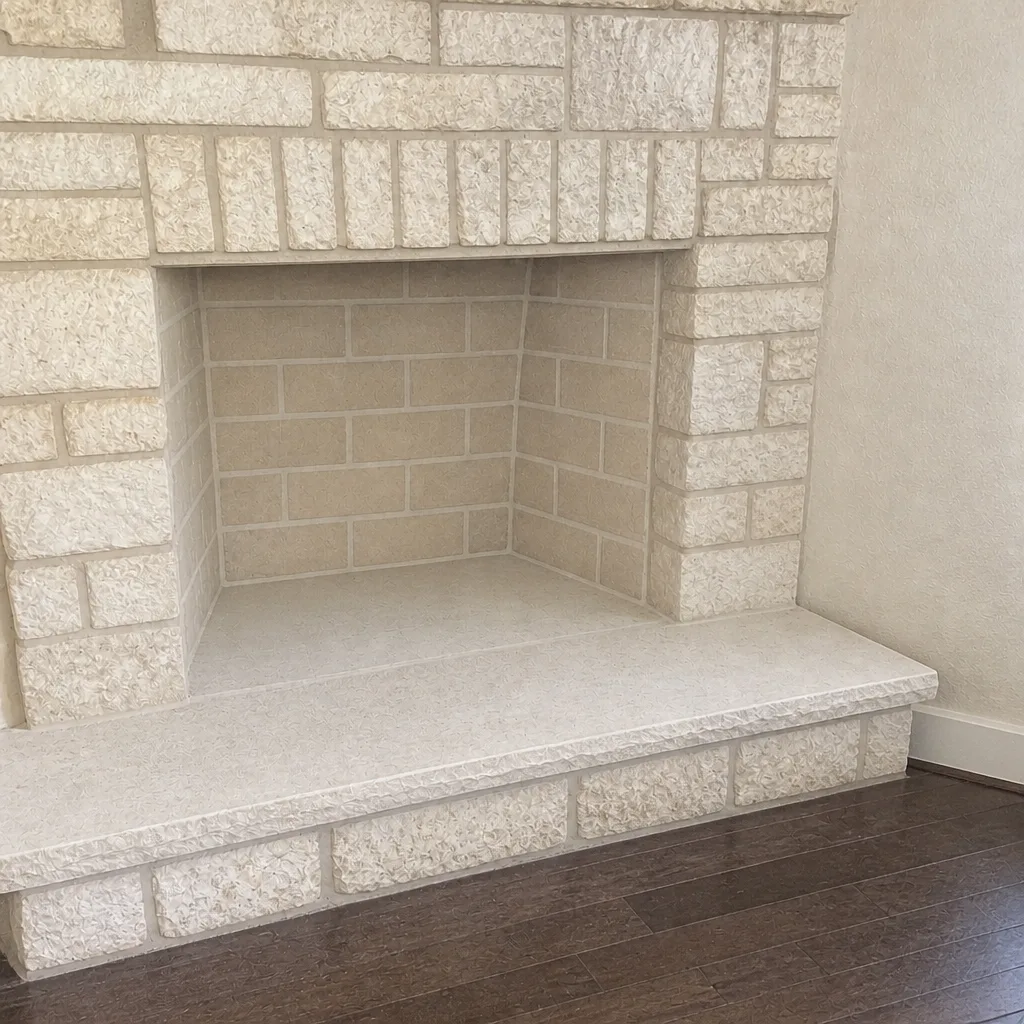 After
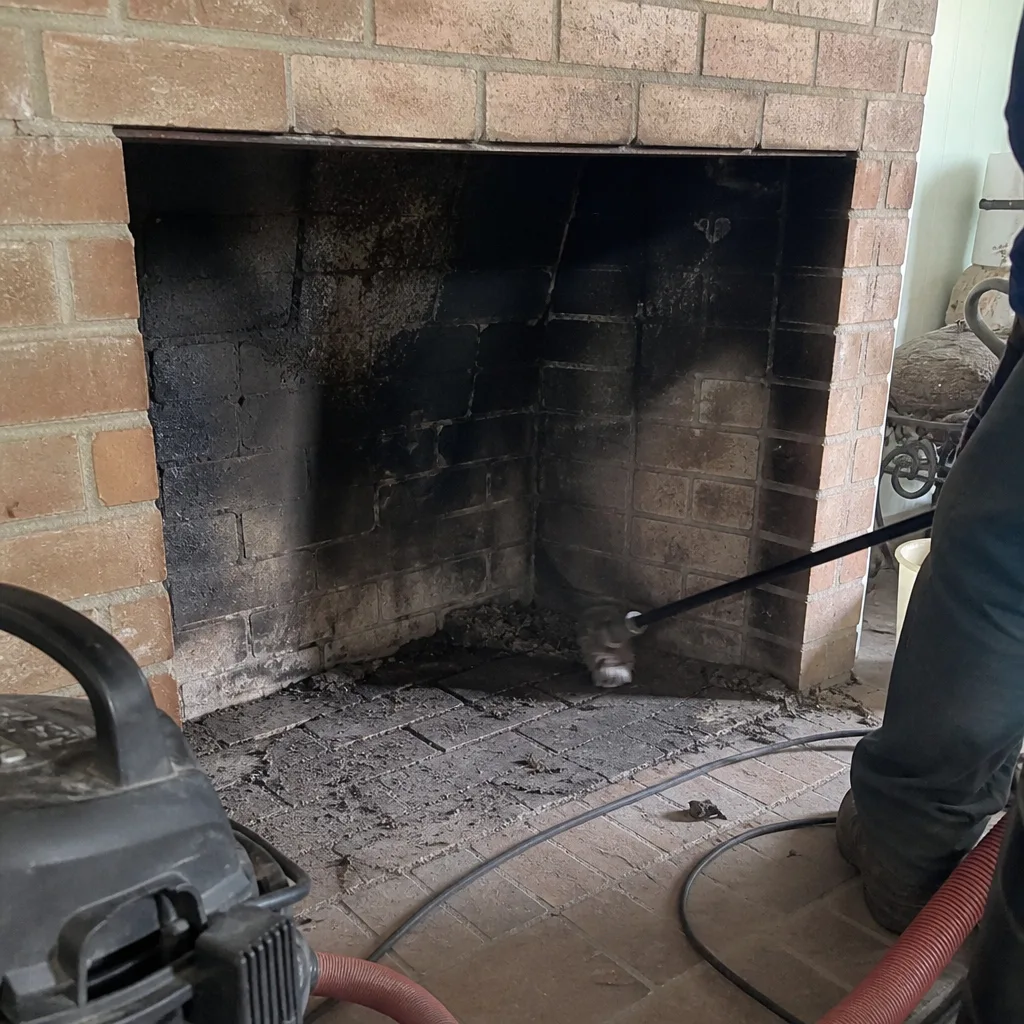 Before
 After
 Before
 After
When to Call a Professional
Call a professional chimney sweep when any of the following is true: you smell smoke in the house when a fire is burning; the fire burns poorly or backdrafts; you notice soot falling from the chimney or a creosote odor; you’ve had a chimney fire, even a small one; a storm has brought winds over 40 mph through your neighborhood and the chimney hasn’t been inspected since; or it’s simply been more than a year since the last inspection and cleaning. Call 911 first if there’s smoke, flames, or a CO alarm; call us after the fire department has cleared the scene.
Parkway Chimney Sweep offers free estimates in Brownsville. Call (877) 729-8794. We answer 24/7. Fast dispatch from 7am to 7pm, Sunday through Friday.
Frequently Asked Questions
Get everyone out of the house and call 911 from outside. Once the fire department has cleared the scene, call a chimney sweep to inspect the flue for cracks, warped lining, or other damage before the chimney is used again. Do not put water on the fire, and don’t reach over flames to close a damper.
Yes. Hurricane-force winds can shift a cap, crack a crown, lift a chase cover, or drive water into flue tiles in ways that aren’t visible from the yard. An inspection should cover the exterior, the flue interior, the firebox, the damper, and the attic and ceiling near the flue. The point isn’t to be alarmist; it’s that the damage that leads to chimney fires is usually the damage you can’t see.
The only reliable warning is a working CO detector, because carbon monoxide is odorless and colorless. Place one on every level of the home, in the room with the fireplace, and outside each sleeping area. If a detector sounds, get out and call 911. If you notice headaches, dizziness, nausea, or confusion in more than one person at once, treat it as a CO event until ruled out.
Once a year, and possibly more often if you burn heavily or have had a storm or fire since the last inspection. Brownsville’s short, interrupted burning season tends to produce more creosote than steady burning does, because intermittent fires in a cool flue condense more of the smoke. An annual inspection catches both accumulation and storm damage.
Keep dated photos of the chimney from all angles, your most recent inspection report, manufacturer documentation for any insert or stove, and any prior repair invoices or written recommendations. After a storm or fire, take photos from the same angles before cleanup, and get a written inspection report stating the condition observed and the recommendations. That paper trail is what an insurer will want to see.
We don’t recommend it. The flue interior is a confined space with creosote, soot, and potentially damaged components; a proper sweep requires the right equipment, training to recognize a compromised liner, and knowledge of how the appliance connects to the flue. The annual inspection is also where storm damage and CO risks get caught. A trained technician is a better call than a rented brush.
The Bottom Line
Chimney emergency preparedness in Brownsville has two sides, and both reward doing the work before the crisis arrives. On the fire side: know the signs of a chimney fire, know to get out and call 911 first, and know that a professional inspection after the fire is not optional. On the storm side: assume any hurricane over 40 mph through your neighborhood requires an inspection before the next fire, and take dated photos before and after. The single highest-value preparation is a current inspection report and a sweep’s number in your phone. Save the number, keep the records, and get the inspection scheduled before the first cool evening catches you by surprise.
Parkway Chimney Sweep provides chimney sweeping, chimney repair, and chimney inspection for Brownsville homeowners. Call (877) 729-8794 for a free estimate. We answer 24/7. Fast dispatch from 7am to 7pm, Sunday through Friday.
Written by the team at Parkway Chimney Sweep.