
Last updated November 16, 2026
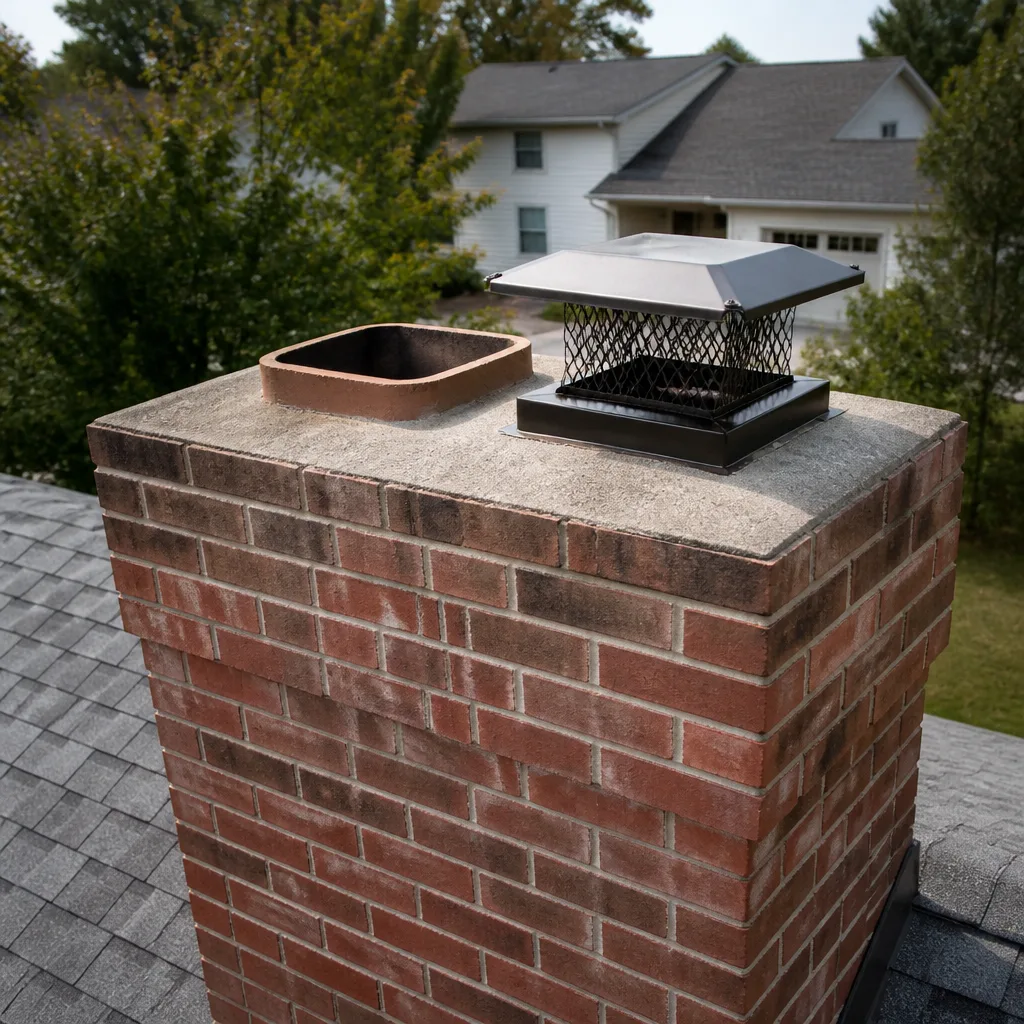 Sweep & inspection
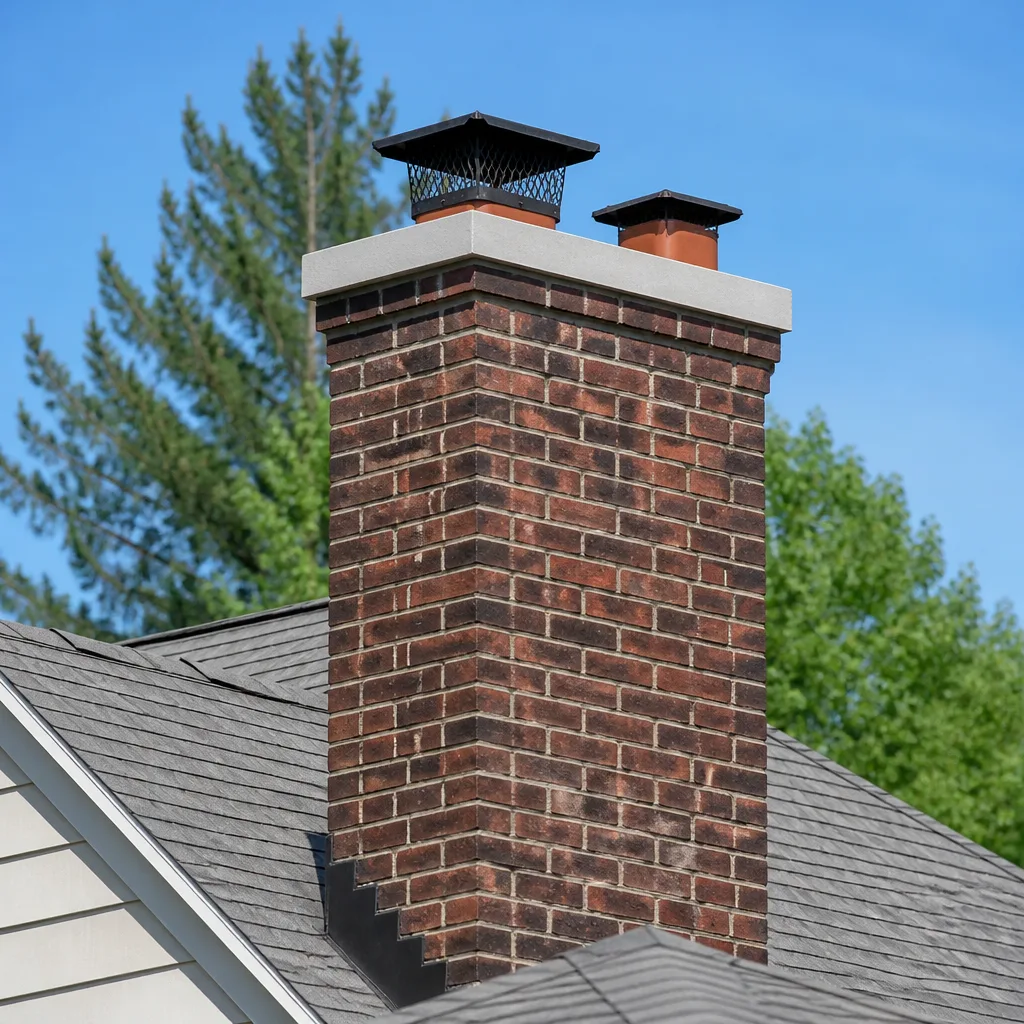 Caps & crowns
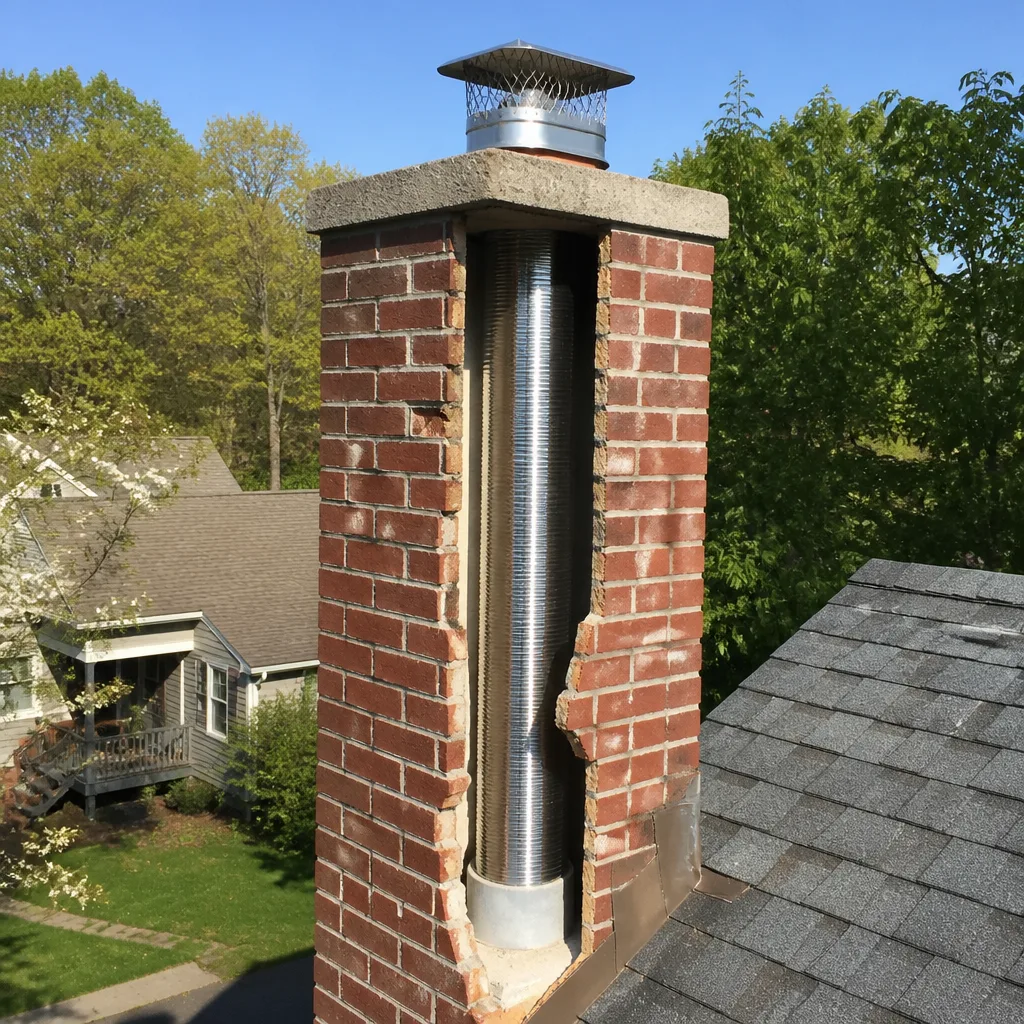 Flue relining
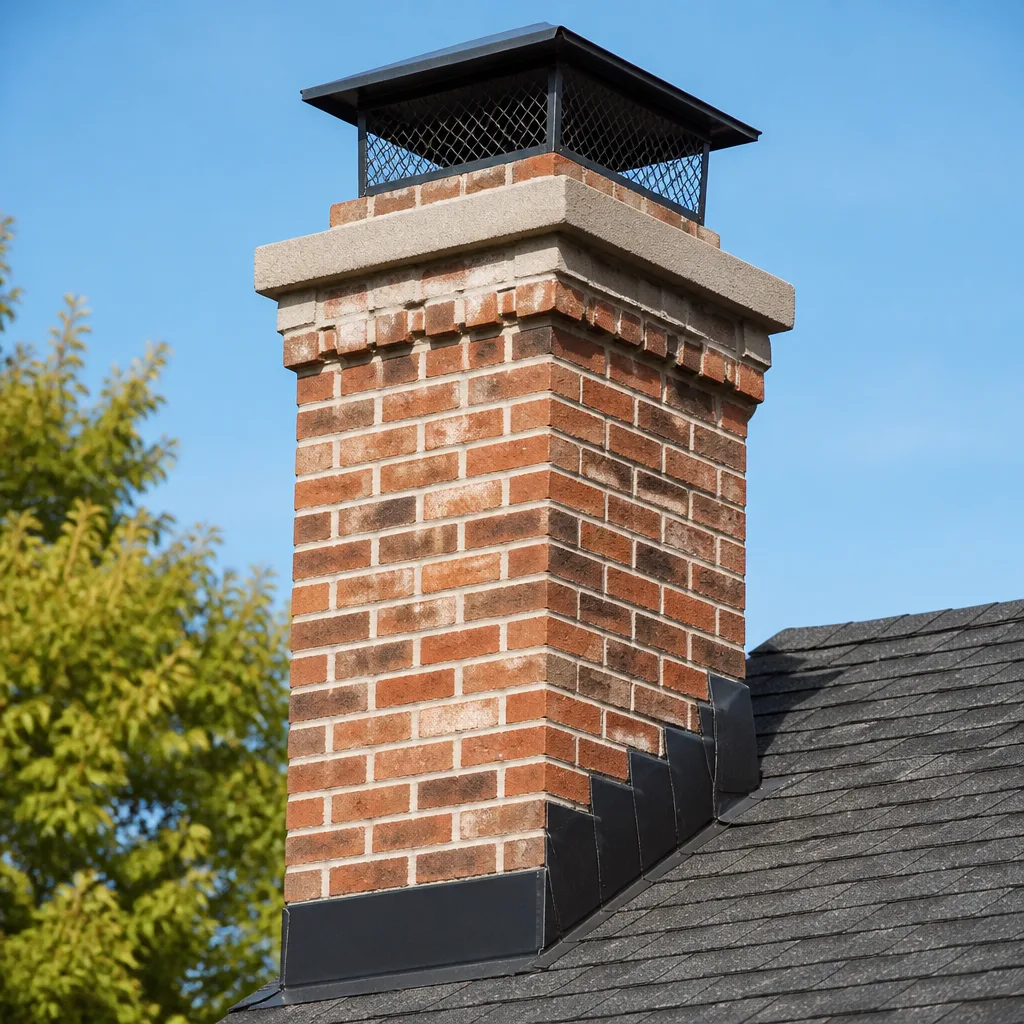 Masonry repair
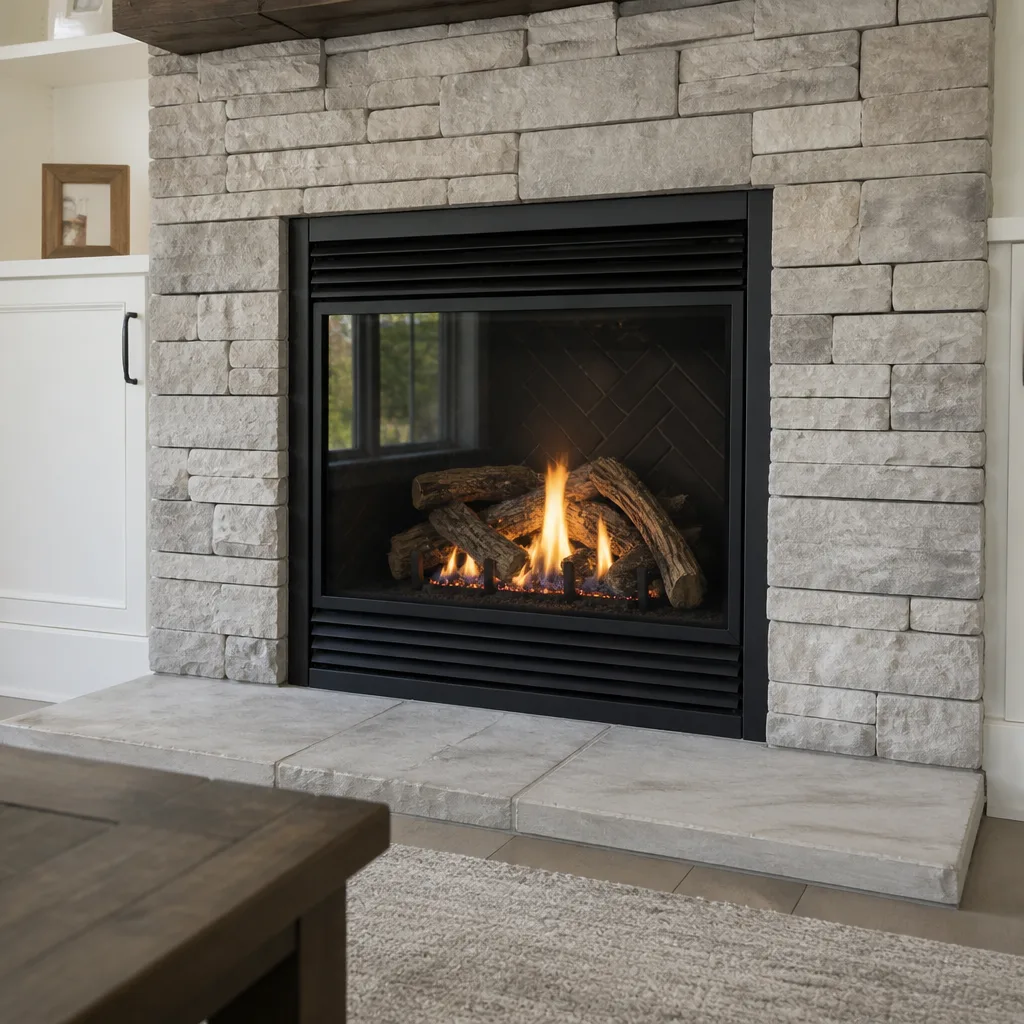 Gas fireplace service
Level 1 sweep and inspection to the NFPA 211 annual standard - flue, crown, cap, and flashing checked and photographed
Chimney sweep logs do not sweep chimneys. They loosen some creosote - which then falls where a brush and vacuum still have to collect it.
Chimney Sweep Troubleshooting in Brownsville: Common Problems and How to Fix Them
Most homeowners in Brownsville assume the worst chimney problem is a flue fire, so they watch for flames and ignore everything else. In our experience, the trouble here usually starts quieter than that. A chimney that smells like a wet dog after rain is not a minor annoyance; it is an early sign of moisture intrusion that, left alone, will rot your smoke chamber and corrode your flue liner. South Texas humidity and long months of little use create a problem set you won’t find in a cold-climate guide. This guide walks through the symptoms Brownsville homeowners actually see, how to read each one, and what’s safe to watch versus what needs a professional.
Quick Answer
Chimney problems in Brownsville most often come from humidity and infrequent use rather than heavy burning. The common issues are moisture-driven: musty odors, white efflorescence stains, spalling brick, and rusted dampers, alongside draft trouble and early-stage creosote. You can diagnose many of them from the firebox without climbing the roof, and the ones that signal real danger require you to stop using the fireplace until a professional inspects it.
Styles & brands we work with
- Sweep & inspection
- Caps & crowns
- Flue relining
- Masonry repair
- Gas fireplace service
Table of Contents
- Why South Texas Humidity Creates Chimney Problems
- Reading the Symptoms: What Your Chimney Is Telling You
- Draft Problems: Negative Pressure vs. Undersized Flue
- What Creosote Color and Texture Tells You
- What You Can Safely Check From the Firebox
- Stop Using the Fireplace Immediately vs. Schedule a Visit
- Moisture Repairs: Caps, Covers, and Resurfacing
- Common Mistakes to Avoid
- When to Call a Professional
- Frequently Asked Questions
If you want the full picture on how our Parkway Chimney Sweep team approaches a chimney from inspection to repair, this guide covers the diagnostic side of that work. For homeowners in Brownsville, the local climate shapes almost every problem below.
Why South Texas Humidity Creates Chimney Problems
Brownsville’s humidity is the single biggest factor in how a chimney ages here. A masonry chimney is a sponge. Brick and mortar absorb moisture from the air, and in a place where the air is often heavy with water vapor, that absorption happens slowly and steadily all year. When a chimney is used regularly, the heat of a fire drives that moisture back out. When it sits idle for months, the moisture stays put and works its way deeper into the masonry.
That idle time is common in Brownsville. Winters are mild, so many fireplaces go long stretches without a fire. The chimney is a tall, open column with a direct line to the outside air, and every humid day adds a little more moisture to the brick, the mortar joints, and the smoke chamber.
This cycle produces three symptoms that cold-climate chimney guides rarely emphasize:
- Efflorescence. The white, chalky staining you see on exterior brick or inside the firebox. It’s salt pushed to the surface as moisture moves through the masonry and evaporates. Efflorescence itself is harmless, but it tells you water is moving through the brick, which means the chimney isn’t sealed against moisture.
- Spalling. When that moisture cycle repeats enough times, the face of the brick flakes off or pops loose. Spalling is structural damage, not cosmetic. Once brick starts spalling, the masonry is breaking down and repair is no longer optional.
- Musty odors. The wet-dog smell after rain is a moisture signature. It comes from damp creosote, damp masonry, or both. A strong musty odor in a chimney that hasn’t been used much points toward water intrusion somewhere in the system.
None of these problems develop overnight, which is good news. They also don’t fix themselves, which is the part homeowners tend to miss. The earlier you catch the efflorescence, the cheaper the fix. Waiting until brick is spalling means you’re repairing masonry instead of sealing it.
Reading the Symptoms: What Your Chimney Is Telling You
A chimney communicates its condition through specific, observable signs. Learning to read them lets you sort a routine issue from one that needs attention quickly. Here’s how the common symptoms map to underlying causes in a Brownsville climate.
- White staining on brick or in the firebox: moisture intrusion through the masonry. The chimney needs a moisture assessment, and the fix usually involves a cap, a crown repair, or both.
- Flaking or crumbling brick face: prolonged moisture cycling that’s progressed to structural damage. This moves from “schedule an appointment” to “get it looked at soon.”
- Musty odor after rain: water getting into the flue or smoke chamber. Often a missing or damaged cap, or a failing crown that’s letting rain run down the flue.
- Rust on the damper or firebox hardware: moisture sitting inside the firebox. A top-sealing damper or a proper cap would have kept the water out.
- Smoke rolling back into the room: a draft problem. This can be pressure-related or flue-size-related, and the two need different fixes (more on that below).
- Shiny, glazed creosote on the flue walls: advanced creosote that needs professional removal before you burn again.
The pattern to notice: most Brownsville chimney symptoms point back to moisture first and fire second. A chimney that stays dry and gets inspected on a regular schedule is far less likely to develop the structural problems that are expensive to fix.
Draft Problems: Negative Pressure vs. Undersized Flue
If smoke drifts into the room instead of going up the chimney, you have a draft problem, and the first job is figuring out which kind. The two most common causes need very different fixes, and mixing them up wastes money on the wrong repair.
Negative air pressure
Your house is a system, and a chimney needs air to flow up the flue. In a tight, well-sealed home, or one where a kitchen exhaust fan, a dryer, or a bathroom vent is running, the house can pull air down the chimney instead of up it. That’s negative pressure. The signs: smoke spills when another exhaust appliance is running, the fireplace drafts poorly on windy days, or it only backs up when the house is closed up. The typical fix is a top-sealing damper, which seals the flue when the fireplace isn’t in use and helps the chimney behave predictably. Better supply air to the fire and a sealed flue is often enough to solve a pressure problem.
Undersized or blocked flue
If the flue is too small for the firebox opening, the chimney simply can’t move the volume of smoke the fire produces. The same thing happens when the flue is partially blocked by a nest, debris, or heavy creosote buildup. Signs include smoke that backs up regardless of other appliances running, a weak draft even on calm days, and a fire that struggles to draw from the start. This one needs a flue-size assessment, and in many cases the fix is relining with a flexible liner sized correctly for the firebox. We use DuraFlex liner systems for this work because they’re built specifically for flue performance rather than adapted from general construction products.
Here’s the short version for telling them apart:
- Run the kitchen or bath exhaust fan and light a small test fire. Smoke that spills only with the fan running points to negative pressure.
- Note the weather. Backdraft that shows up on windy days or when the house is sealed tight also points to pressure.
- If the fireplace drafts poorly in all conditions, suspect the flue itself: size, blockage, or a damaged liner.
- Either way, a proper diagnosis happens during an inspection. You need someone to look at the flue, the crown, and the firebox together.
What Creosote Color and Texture Tells You
Creosote is the residue of incomplete combustion, and it deposits on the inside of the flue. The look of it tells you a lot about how the fireplace has been used, and it determines whether you can keep burning or need a professional sweep first.
| Stage | What it looks like | What it means | What to do |
|---|---|---|---|
| First degree | Fluffy, soot-like, dark powder that brushes off easily | Normal buildup from routine use | Monitor; schedule a routine sweep |
| Second degree | Hard, crumbly, dark flakes | Buildup that’s starting to adhere to the flue walls | Professional sweep before regular use |
| Third degree | Shiny, glazed, tar-like coating | Advanced creosote that’s harder to remove and increases fire risk | Professional removal before burning again |
First-degree creosote is the kind you can keep an eye on between scheduled cleanings. Second degree means it’s time to book a sweep. Third degree is the one to take seriously: glazed creosote is the most flammable form, and it doesn’t come off with a standard brush pass. In a Brownsville chimney, heavy creosote is less common than moisture damage because fires tend to be occasional, but a few seasons of sealing the house up and burning on cool damp evenings can still build it up. If you see shiny glazed deposits on the flue walls through the firebox, stop burning and have it looked at.
What You Can Safely Check From the Firebox
You don’t need to climb onto the roof to catch most problems early. The firebox offers a clear view of several components, and checking them is safe. Where the work becomes unsafe is anything that involves the roof, the top of the flue, or disassembling the firebox. Those are for a trained professional.
Here are the visual checks you can do safely before booking a chimney sweep:
- Look up the flue from the firebox. A flashlight aimed up the chimney reveals cracks in the flue tile. Hairline cracks are a concern; missing chunks of tile or visible gaps are a stop-and-call situation.
- Check the damper for corrosion. Rust on the damper or its frame means moisture has been sitting in the firebox. A damper that sticks or won’t seal properly lets heated room air escape and does nothing to keep rain out.
- Look at the smoke shelf. Just above the damper, the smoke shelf catches debris. Leaves, soot, or a nest sitting there can block the draft path and cause smoke to back up.
- Scan the firebox walls. Cracked firebrick or deteriorated mortar joints inside the firebox point to water or heat damage. Note where the cracks are so you can describe them when you call.
- Check for white staining on the interior masonry. Efflorescence inside the firebox is the same moisture signal as on the outside brick.
What you should not do: reach up into the flue beyond your flashlight beam, pull on flue tiles, try to repair cracks from below, or get on the roof. Chimney work carries real height and structural hazards, and a professional sweep includes a check of the components you can’t see from the firebox. During a full inspection, a camera is used to look at the entire flue so nothing gets missed.
If your firebox needs repair, we use HeatShield ceramic resurfacing for damaged flue tile repair without full demolition. That keeps the repair contained when the tile is cracked but the chimney structure is still sound.
Stop Using the Fireplace Immediately vs. Schedule a Visit
Knowing when to stop and when you can keep going is the practical heart of troubleshooting. Here’s a clear line.
Stop using the fireplace immediately if you see or suspect any of the following:
- Shiny, glazed creosote lining the flue. That is third-degree creosote and it’s flammable.
- Cracked or missing flue tiles you can see from the firebox, or gaps between tile sections.
- Smoke rolling into the room consistently, not just once on a windy day.
- A strong smell of creosote or a musty odor that’s getting worse. You may be smelling damp creosote or a blocked flue.
- Damaged firebrick or crumbling mortar inside the firebox.
- Any sign that water is actively entering the chimney.
You can schedule a routine appointment (rather than stopping immediately) if you see:
- White efflorescence staining without flaking brick.
- Mild soot buildup you’ve noticed between cleanings.
- A damper that’s sticking but still seals when closed.
- A weak draft that shows up only under specific conditions, like when the exhaust fan runs.
The rule we give homeowners: anything you can see as damage in the flue or firebox means stop. Anything that’s a performance issue or a mild moisture signal means book a visit before the next burning season. When in doubt, stop. There’s no fireplace problem that gets better with another fire.
Moisture Repairs: Caps, Covers, and Resurfacing
Given how much Brownsville’s humidity contributes to chimney damage, moisture repair is the highest-value fix most homeowners here can make. The goal is simple: keep water out of the flue and the smoke chamber, and let the masonry dry out from its own absorbed moisture.
The first line of defense is a chimney cap. A properly fitted cap vents smoke but blocks rain from running straight down the flue. We source caps and chase covers from Gelco and Famco, which build products specifically for chimney weatherproofing rather than general construction. A cap also keeps out birds and debris, which handles some of the draft-blockage problems at the same time.
The second layer is the crown at the top of the chimney. A cracked or worn crown lets water seep into the masonry below. When we repair a chimney, we look at the crown as part of the system, not as a separate item.
Inside the flue, a damaged liner is where moisture does the most expensive harm. A corroded or cracked liner lets water reach the surrounding masonry and lets combustion gases escape. For chimney repair that involves the liner, we use DuraFlex flexible liner systems, and for tile and smoke chamber damage we use HeatShield ceramic resurfacing. Both are chimney-trade products engineered for thermal cycling and flue performance. Our supplies come through Olympia Chimney and Copperfield, the wholesale trade channels chimney professionals use.
Homeowners who care about what’s going into their chimney should ask to see the product specification. It’s your flue, and you should know exactly what’s being installed and why.
Common Mistakes to Avoid
Some of the problems we diagnose come from how a chimney was handled, not from the fire itself. These are the mistakes we see most often in Brownsville.
- Skipping inspections because the fireplace was rarely used. Low use doesn’t mean low risk. A chimney that sits idle in humid air builds up moisture damage, and that damage doesn’t show unless someone looks. An inspection catches it before spalling starts.
- Ignoring white staining as cosmetic. Efflorescence is the visible sign that water is moving through your masonry. Treating it as a stain to scrub off misses the actual problem, which is where the water is coming from.
- Burning wet or green wood. Unseasoned wood produces more smoke and more creosote, and in a humid climate it never dries out fully. Dry seasoned firewood burns cleaner and keeps the flue cleaner.
- Running a bathroom or kitchen fan while the fire is lit in a tight house. This is one of the most common causes of smoke spilling into the room. Negative pressure pulls smoke back down the flue.
- Sealing a chimney cap too tightly or putting a lid on without venting. A cap needs to vent smoke and moisture; a solid cover traps damp air in the flue. Use a proper chimney cap from a chimney-trade manufacturer.
- Hiring a general handyman for chimney work. Chimney repair uses materials and methods specific to the flue. Trade-grade material from a chimney brand is not interchangeable with a big-box substitute, and a general contractor may not know the difference.
- Delaying repairs because “it still works.” A fireplace can appear to work while the flue liner is corroding and the crown is letting water in. By the time it visibly fails, you’re into a larger repair.
When to Call a Professional
Some problems are yours to monitor. Others need a trained eye, and knowing the difference protects your home and your wallet. Call a professional when you see high-glazed creosote, cracked flue tiles, structural spalling, or persistent draft problems that don’t respond to a pressure fix. Call when a damper is rusted out or won’t seal, when the chimney smells musty after rain, or when you see any sign of water in the firebox. Also call if it’s been several years since your last inspection and you’re planning to burn this season.
The work you can’t do safely includes the roof, the top of the flue, the crown, and any liner repair. Chimney work carries real height, structural, and combustion hazards, and the firebox checks above are as far as a homeowner should go. Parkway Chimney Sweep offers free estimates in Brownsville and handles inspection, cleaning, and repair under one accountable company. Call (877) 729-8794. We answer 24/7. Fast dispatch from 7am to 7pm, Sunday through Friday.
Frequently Asked Questions
White chalky staining, a musty smell after rain, rust on the damper, and flaking brick are the most reliable signs. In Brownsville, moisture is the leading cause of chimney damage, so any of these symptoms is a good reason to book an inspection.
You can do the visual firebox checks in this guide, but full cleaning and inspection are professional work for a reason. The flue, crown, and cap all need to be checked from outside and from above, and that work involves the roof and height hazards. Call (877) 729-8794 for a sweep that includes a proper flue check.
A draft problem, either negative air pressure or an undersized or blocked flue. Test it by running an exhaust fan while a small fire is lit; if smoke spills only then, it’s pressure. If it drafts poorly in all conditions, suspect the flue and have it inspected. Call (877) 729-8794 for an exact diagnosis and free estimate.
Once a year for a wood-burning fireplace, or more often if you burn heavily or notice creosote building up. Because Brownville fireplaces are often used lightly, the inspection matters more than the sweep count; a yearly look catches moisture damage before it spreads. Call (877) 729-8794 to book it.
Often, yes. Cracks in the flue tile can be resurfaced with HeatShield ceramic, and where the liner needs replacing, DuraFlex flexible liner systems are installed inside the existing flue. A full rebuild is only needed when the masonry itself has failed.
A cap sits on top of a round or square flue to vent smoke and keep rain out; a chase cover seals the top of a framed chimney chase. Both are weatherproofing components, and both matter in a humid climate. If you’re unsure which your chimney needs, we’ll check during the estimate.
The Bottom Line
Most chimney problems in Brownsville come from humidity and idle fireplaces, not the dramatic fire damage people worry about. Learn to read the symptoms: white efflorescence, musty odors, and rusted hardware all point to moisture; smoke spilling into the room points to a draft issue; glazed creosote means stop burning now. Do the safe firebox checks, stop using the fireplace when you see visible damage, and book a professional inspection before the damage turns structural. If you want one company to handle the inspection, the cleaning, and the repair, call Parkway Chimney Sweep at (877) 729-8794 for a free estimate. We answer 24/7, with fast dispatch from 7am to 7pm, Sunday through Friday.
Written by the team at Parkway Chimney Sweep.
See the difference
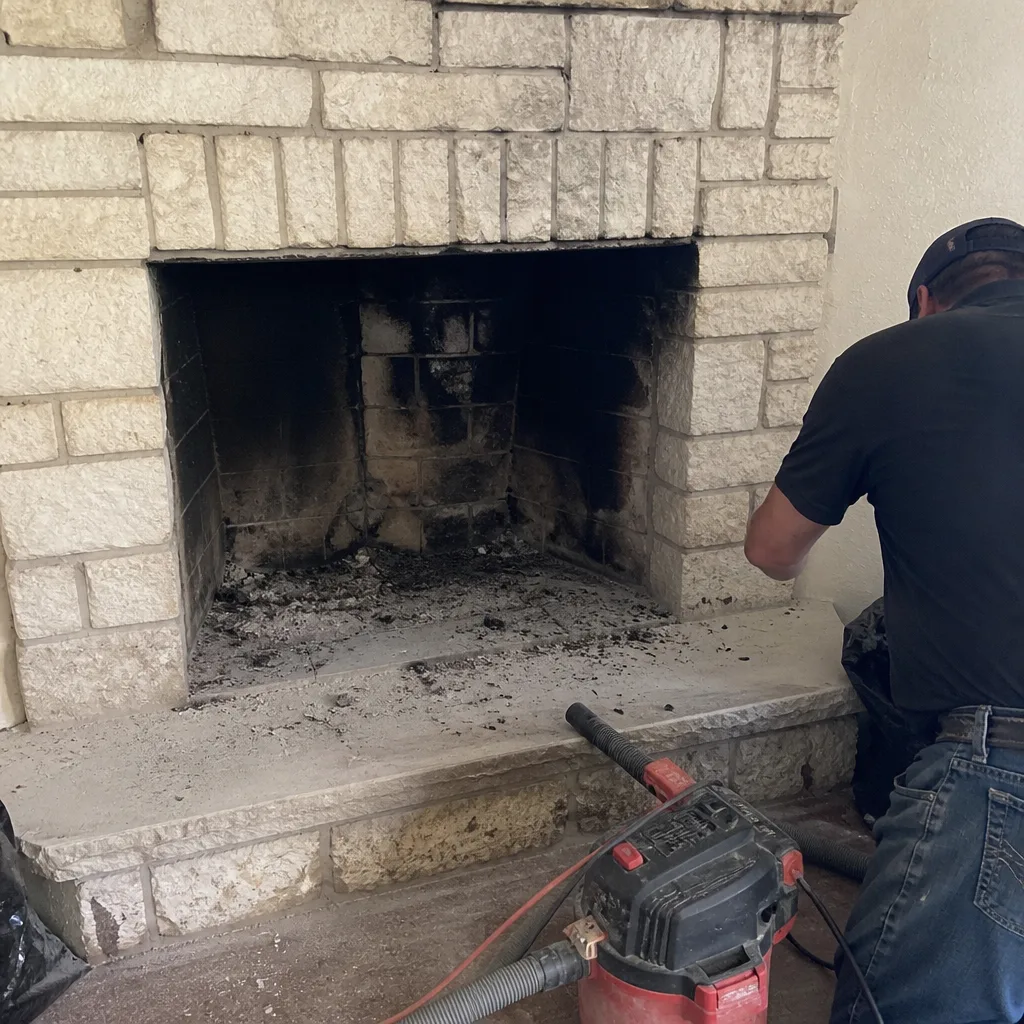 Before
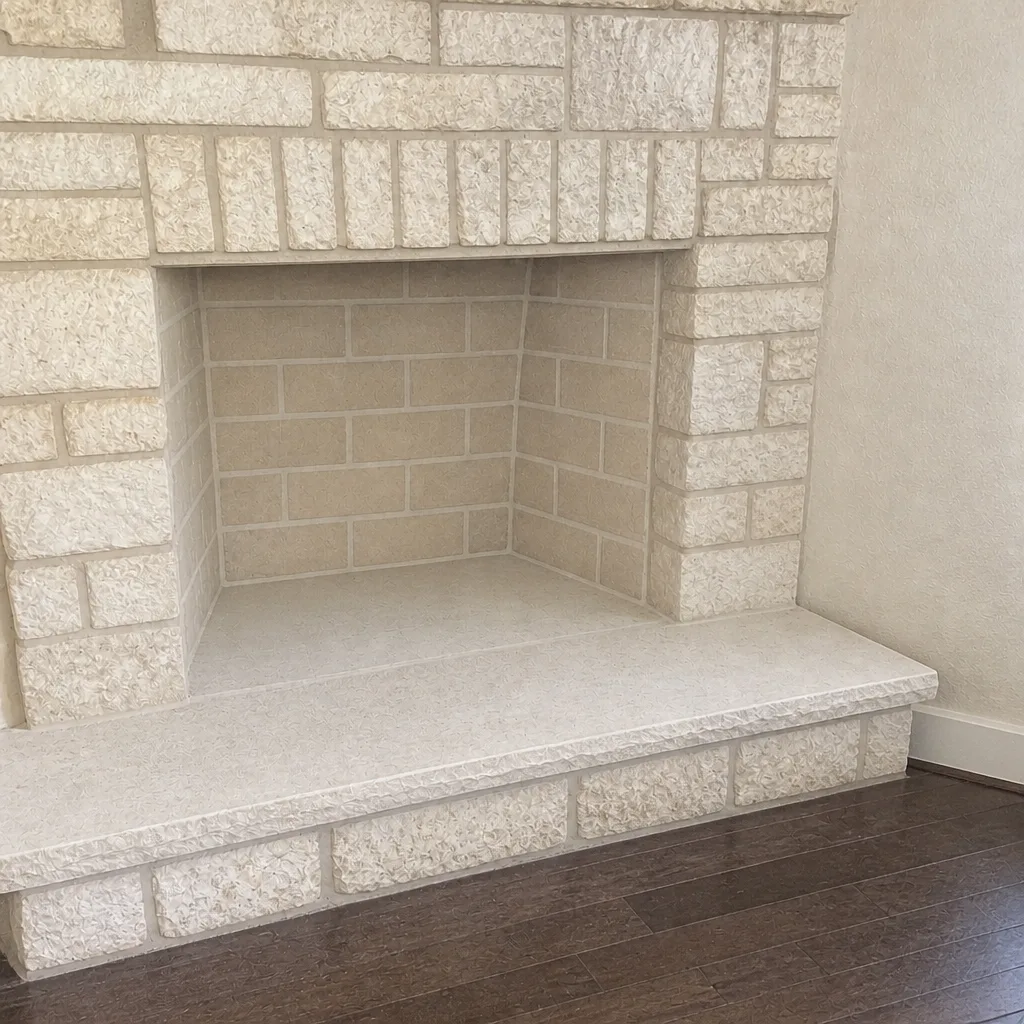 After
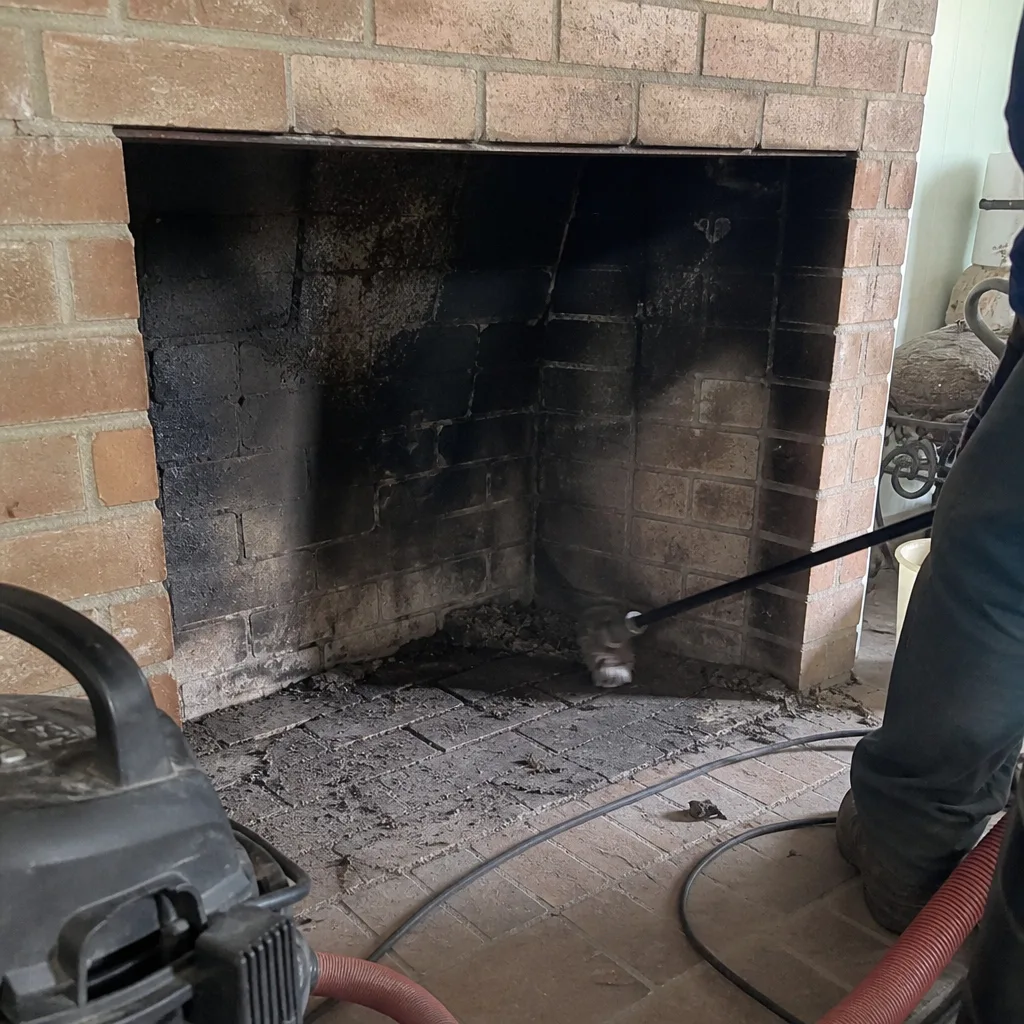 Before
 After
 Before
 After