
Last updated November 16, 2026
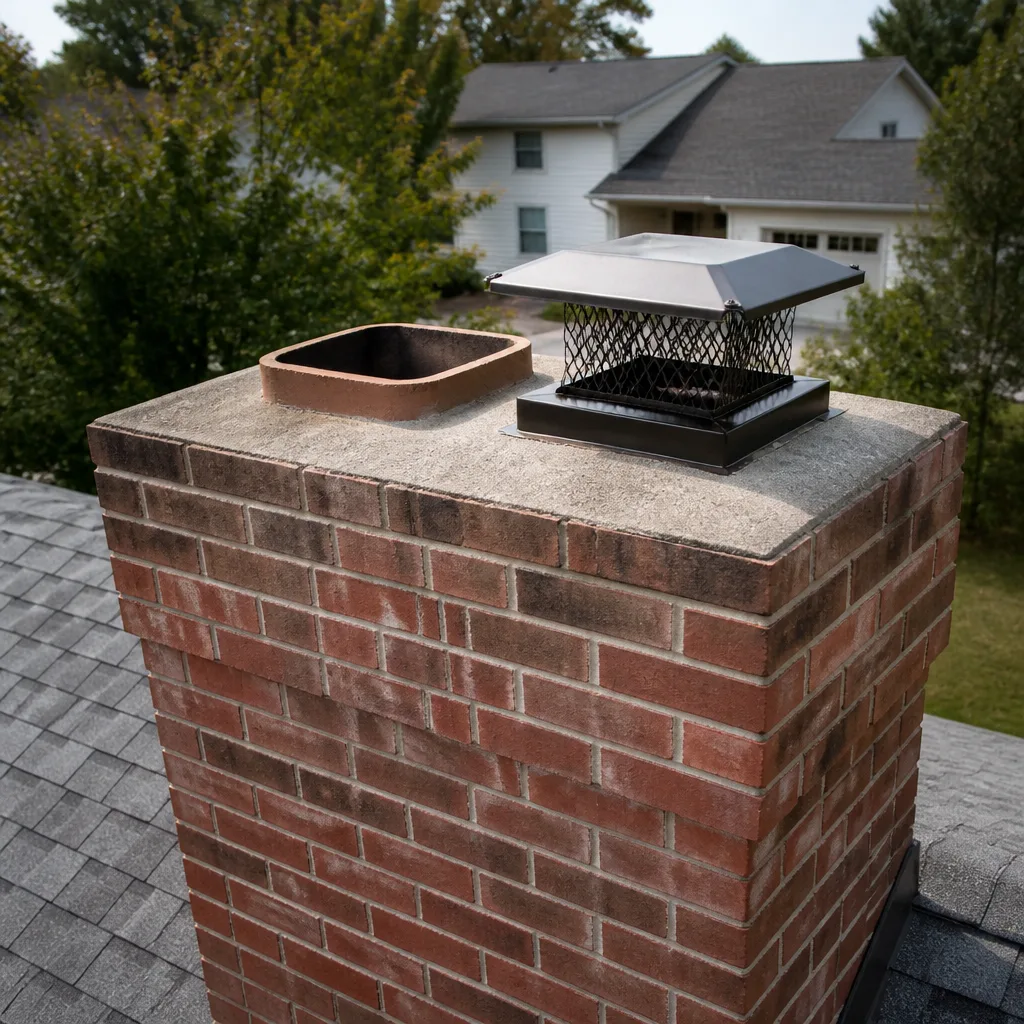 Sweep & inspection
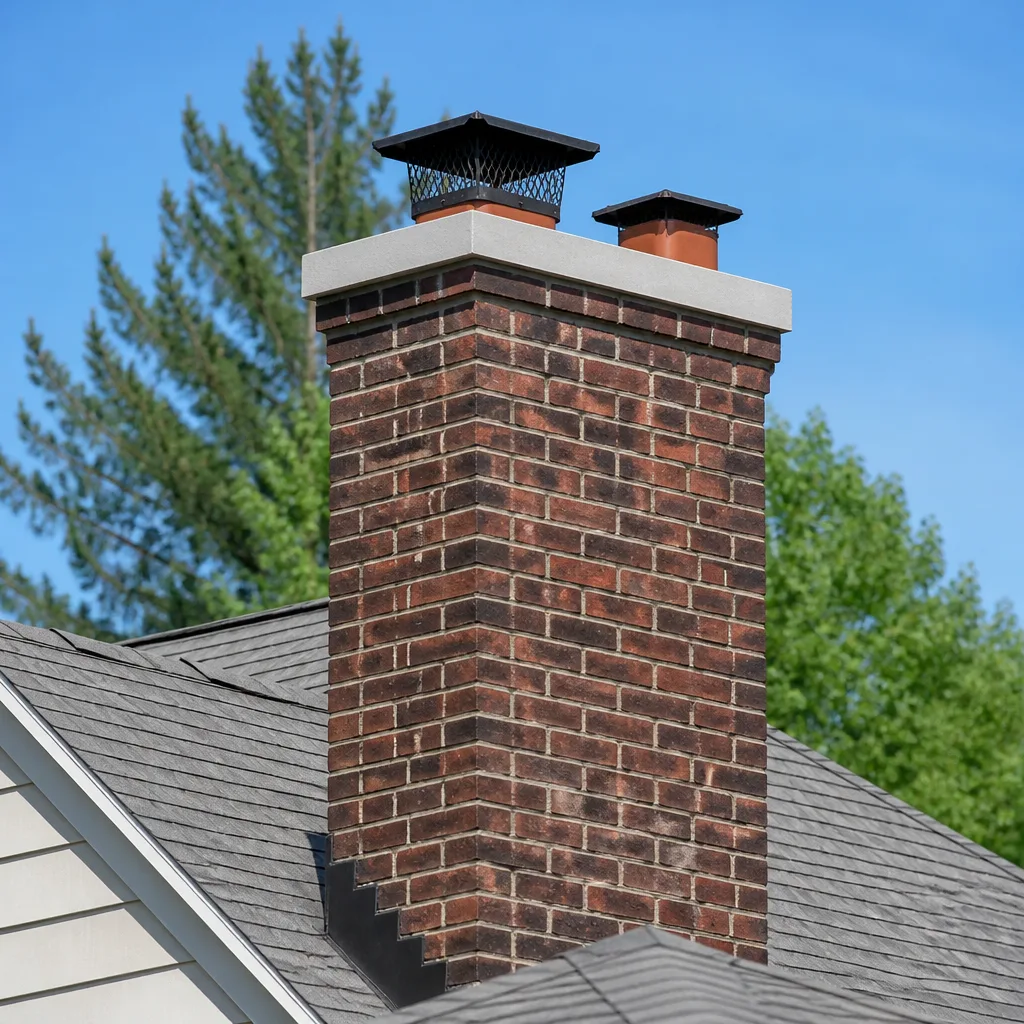 Caps & crowns
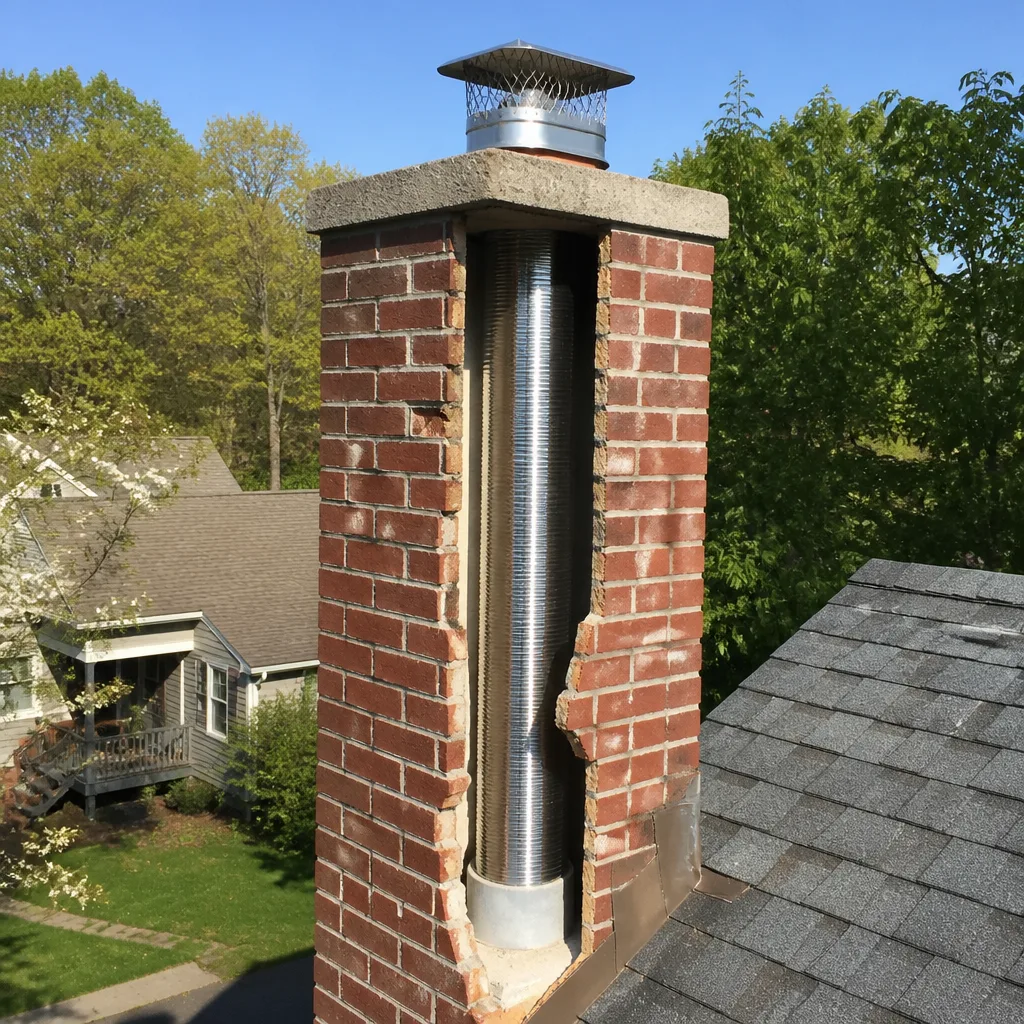 Flue relining
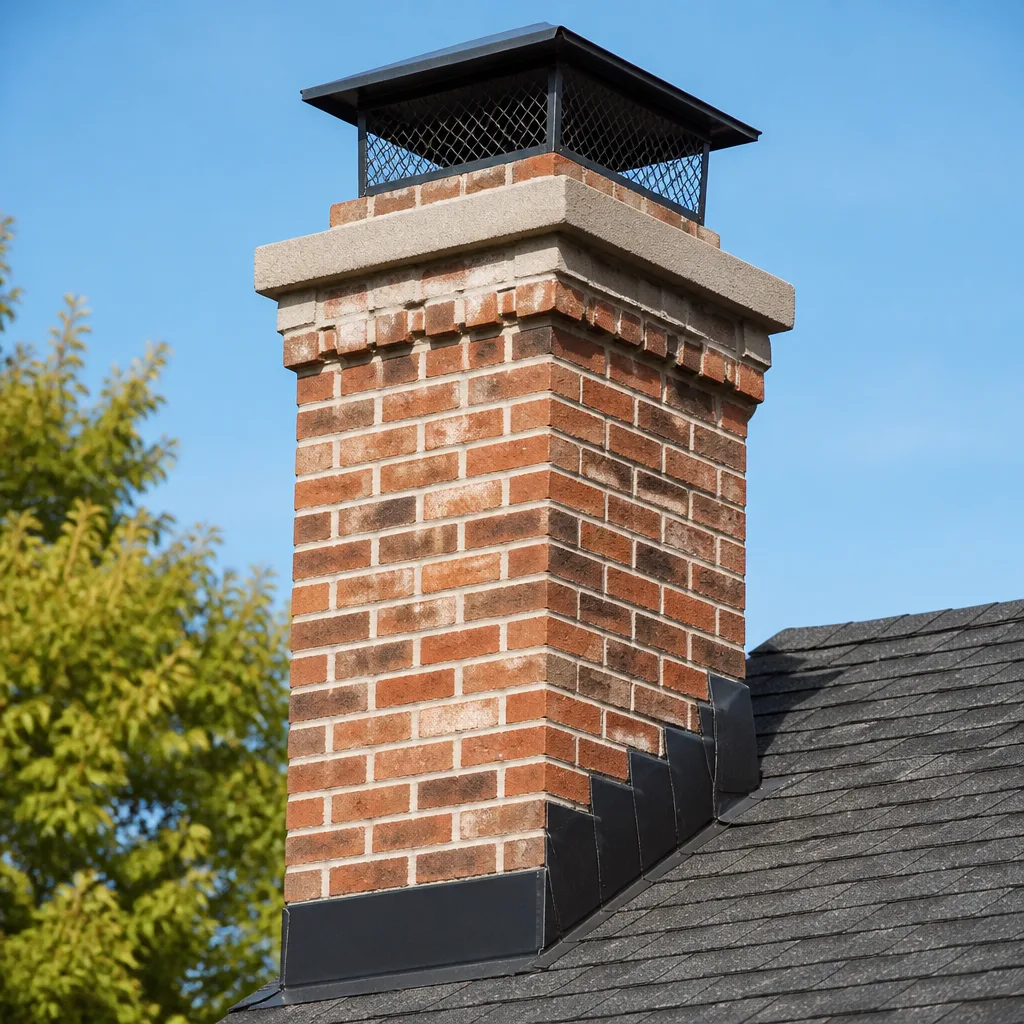 Masonry repair
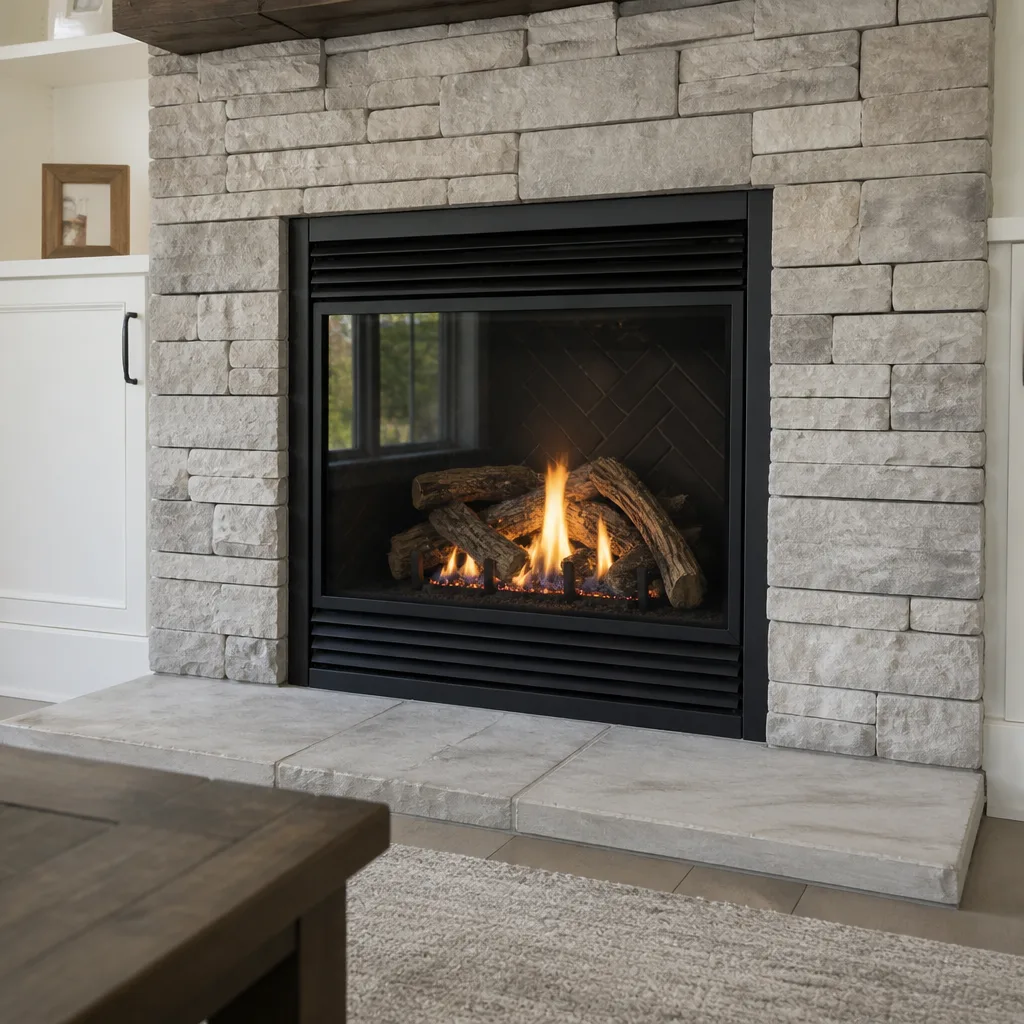 Gas fireplace service
Level 1 sweep and inspection to the NFPA 211 annual standard - flue, crown, cap, and flashing checked and photographed
Chimney sweep logs do not sweep chimneys. They loosen some creosote - which then falls where a brush and vacuum still have to collect it.
Chimney Sweep Maintenance Checklist for Brownsville Homeowners
The standard annual chimney checklist was written for someone burning a cord of wood every winter. That’s not most households here. Plenty of Brownsville homeowners light a fire a handful of times a season, maybe less, and the national templates quietly assume a burn pattern this climate doesn’t produce. What gets missed is often the stuff that matters more in a humid Gulf Coast setting than creosote ever will. This guide is a checklist built for how chimneys here actually get used: what to look at and when, what you can safely check yourself, and what needs a trained eye. By the end you’ll know how to keep a Brownsville chimney ready without over-maintaining it or ignoring it.
Styles & brands we work with
- Sweep & inspection
- Caps & crowns
- Flue relining
- Masonry repair
- Gas fireplace service
Quick Answer
A chimney maintenance checklist for Brownsville should be organized around your real burn frequency, not a national average. If you light the fireplace only a few times a year, your priorities shift toward moisture monitoring, storm-season cap and crown inspections, and a pre-season look for insect nests in the flue rather than frequent creosote sweeps. A professional inspection once a year, plus targeted checks before the first fire and after hurricane season, catches almost everything.
Table of Contents
- Why a Brownsville Checklist Looks Different
- Pre-Season Checklist Before Your First Fall Fire
- Wasp and Mud Dauber Nests: The Pre-Season Check Most Guides Skip
- Post-Hurricane-Season Inspection Points
- Assessing a Chimney That Hasn’t Been Used in 12+ Months
- Moisture and Efflorescence: A Year-Round Task Here
- What Product-Grade Components Look Like
- Common Mistakes to Avoid
- When to Call a Professional
- Frequently Asked Questions
- The Bottom Line
Why a Brownsville Checklist Looks Different
Most chimney maintenance advice is built for the Northeast and Midwest, where a house might burn through a cord or two of hardwood between October and March. That produces heavy creosote loads and drives the once-a-year sweep recommendation most people have heard. Brownsville doesn’t work that way. Winters are mild, burn seasons are short and interrupted, and many fireplaces go weeks between fires with the damper shut.
That shift changes your priorities in a few specific ways:
- Creosote accumates slowly on a light burn schedule, so annual sweeping isn’t always the pressing issue. A yearly inspection still is.
- Moisture matters more than soot. Humid air and driving rain find weak points in a crown, cap or flashing, and those weak points cause more long-term chimney damage here than a season’s worth of smoke.
- Idle flues become habitats. A chimney that sits unused from spring to fall is an inviting spot for wasps, mud daubers and birds.
- Storm season reshapes the calendar. The Atlantic hurricane season runs June through November, which overlaps exactly the stretch when many Brownsville chimneys sit untouched. The first fire of the year often comes right after the season closes.
So the checklist below isn’t organized by “once a year, do everything.” It’s organized by when the risk actually shows up in this climate. That’s the whole premise: match the task to the season and to how much you burn.
If you want the baseline service these seasonal tasks support, a chimney sweep combined with an inspection covers the professional side of the checklist in a single visit.
Pre-Season Checklist Before Your First Fall Fire
Run this in late September or early October, before you light anything. It’s the most important check of the year because it’s the one that catches problems while you still have time to fix them calmly.
- Look up the flue from the firebox with a flashlight and the damper open. You’re checking for daylight at the top, obvious blockages, and anything nesting.
- Test the damper through its full range. It should open and close smoothly and seat fully. A damper that sticks or won’t close all the way is a heat-loss and smoke problem.
- Check the firebox for cracked or loose brick and crumbling mortar joints. Small surface cracks in the firebrick are common; deep gaps or displaced bricks are not.
- Inspect the cap from the ground with binoculars. Confirm it’s present, intact, and that the screen or mesh isn’t torn or clogged.
- Look at the crown (the concrete or mortar top around the flue) for visible cracks or separation from the chimney body.
- Check the flashing where the chimney meets the roof for lifted, rusted or missing metal.
- Clear the firebox of last season’s ash and any stored items, and confirm the hearth area is clear of combustibles.
- Test smoke alarms and carbon monoxide detectors before the first burn, not after.
That last item belongs on every version of this checklist, regardless of climate. A chimney is only as safe as the detection around it.
If any of the structural items look wrong, the next step is a proper look at the chimney repair side of things rather than a patch job. Cracks and flashing defects don’t fix themselves over a mild winter.
Wasp and Mud Dauber Nests: The Pre-Season Check Most Guides Skip
National chimney checklists rarely mention insects. Here, it’s one of the most common pre-season surprises. A flue that sat open to the air from March to October is exactly the kind of sheltered, dry cavity that paper wasps and mud daubers look for. Mud daubers build their nests from mud tubes packed into corners, and they favor the inside of a chimney cap or the top of a flue.
What to look for:
- Mud tubes or crusty deposits visible when you look up the flue. These can narrow the flue or block it entirely.
- Papery nest structures near the damper or on the smoke shelf.
- Live activity around the cap on warm days, which usually means a nest is being built or maintained.
- Debris on the smoke shelf behind the damper, where nests and nesting material tend to collect.
Here’s where we draw a line. Checking from below with a flashlight is safe and worth doing. Reaching into a flue to remove a nest is not, particularly if it’s active. Wasps in an enclosed space, with limited escape, is a job for someone with the right equipment and the right approach. A professional sweep clears nests as part of setup and can confirm the flue is actually clear before you trust it with a fire.
Did you know that a blocked flue can push smoke and carbon monoxide back into the room instead of up and out? That’s the real risk with a nest that goes unnoticed, and it’s why this check earns a place near the top of the list.
Post-Hurricane-Season Inspection Points
South Texas storm activity tests a chimney in ways a mild winter never will. Wind-driven rain, gusting wind and flying debris can loosen a cap, crack a crown further, or lift flashing. The time to look is after the season winds down, before you start burning again. October through November is the natural window: storm season is closing and the first fire is coming.
Work through these points after the season:
- Re-check the cap. Confirm the cap is still firmly attached, the mesh is intact, and nothing has shifted. A cap that’s come loose is a wind and rain entry point.
- Inspect the crown for new cracks or widening of old ones. Compare against what you saw in early fall.
- Check the flashing and counter-flashing at the roof line. Lifted or creased metal lets water in behind the chimney, which shows up as staining or rot inside later.
- Look for debris on the roof and against the chimney that came down during storm activity.
- Check the attic and ceiling around the chimney for new water stains after heavy rain.
- Look at the chimney exterior for spalling or loose masonry that wasn’t there before the season.
This is also where product quality shows its value. A cap that was assembled from a commodity piece of sheet metal tends to work loose and rust faster than one engineered for the job. Caps and chase covers sourced from dedicated chimney manufacturers last through repeated storm seasons in a way hardware-store substitutes rarely do.
For a fuller picture of how we approach these inspections in town, see our Brownsville service page.
Assessing a Chimney That Hasn’t Been Used in 12+ Months
This is the most common scenario here, and the one where homeowners most often guess wrong about what’s safe. A chimney that hasn’t been used in a year or more needs a specific sequence of checks before you light a fire, and some of those checks are yours to do while others genuinely need a professional.
What you can check yourself:
- Look up the flue with the damper open and a flashlight. Any daylight at the top means the path is open; no daylight means something is blocking it.
- Confirm the damper operates fully and seats closed.
- Inspect the firebox for new cracks or loose brick that appeared while it sat.
- Look at the cap and crown from the ground with binoculars.
- Check inside the firebox and on the smoke shelf for nests, debris or animal activity.
- Smell for persistent musty or damp odors, which can point to moisture entering the flue.
What needs a professional:
- A camera inspection of the flue to confirm no hidden obstruction, cracked liner tile, or separation between liner sections. You can’t see the middle of a flue from below.
- Verification that the liner is intact and appropriate for the appliance. A liner that cracked while idle can let heat reach combustible framing.
- Assessing creosote that may have glazed or hardened during the idle period.
- Confirming the cap screen is clear and the whole assembly is sound after a full year of weather.
The short version: if a chimney has sat for a year or more, don’t assume “it was fine last time I used it.” Time, humidity and insects have been working on it the whole time you weren’t. A single inspection tells you whether it’s ready.
Moisture and Efflorescence: A Year-Round Task Here
In a typical northern climate, moisture is a winter problem solved by freeze-thaw and a good cap. Here, moisture is a year-round concern because the humidity never really backs off. That makes it a standing task rather than a seasonal afterthought, and it’s the item most national checklists bury or skip.
Two things to watch for:
- Efflorescence: the white, powdery staining that appears on masonry when water moves through it and evaporates, leaving salts behind. It’s a sign moisture is getting into the masonry, not just sitting on the surface.
- Dark staining or damp patches on the chimney exterior or nearby ceiling after rain, which points to water getting past the cap, crown or flashing.
Make a habit of a quick look at the chimney’s exterior masonry on a dry day once every couple of months. What you’re doing is catching the early sign before it becomes structural. Masonry that stays damp for long periods weakens, and a minor crown crack you spot early is a far smaller job than water that’s worked its way into the flue.
The protective components matter here. A properly fitted cap and well-sealed crown are the front line against moisture. We work with caps and chase covers from manufacturers who build specifically for chimney weatherproofing, and that’s not a detail to gloss over when you’re deciding what to put on top of your chimney.
Where moisture damage has already reached the flue liner, resurfacing can sometimes restore it without full demolition. HeatShield ceramic resurfacing is one option for repairing damaged flue tile, and it’s a question worth asking when a liner shows wear.
What Product-Grade Components Look Like
When you’re checking your own chimney, it helps to know what “good” looks like. The difference between a professional-grade component and a commodity substitute is usually visible if you know where to look. This is where a homeowner can make a real difference by insisting on the right materials rather than whatever’s on the shelf.
Three components to focus on during your checks:
- Chimney caps: a proper cap is engineered to shed water and keep out animals while allowing exhaust. Trade-grade caps fit the flue correctly and hold up over repeated storm seasons better than thin generic covers. Caps and covers from manufacturers who specialize in chimney weatherproofing hold up to this climate in a way a general hardware piece won’t.
- Dampers: check that yours operates smoothly and seats fully. A damper that’s supposed to be top-mounted, or a throat damper that won’t seal, lets heat out and moisture in year-round.
- Liners: the liner is what protects your house from the heat of the fire. Look for a liner that’s appropriate to your appliance and intact end to end. Flexible liner systems built for chimney relining are the standard for a reason; they’re engineered for thermal cycling and flue performance, not adapted from general construction products.
We deliberately source through wholesale trade channels used by certified chimney professionals rather than the local hardware aisle. It means you know exactly what’s going into your chimney and why. The brands we install and repair with are the same ones specified by people who engineer for flues for a living, and that consistency is part of what makes a repair last through a Brownsville summer.
One company handles the inspection, the cleaning and the repair, so there’s no gap where one piece of advice stops and another begins.
Common Mistakes to Avoid
- Following a national annual checklist without adjusting for burn frequency. If you burn a few times a year, sweeping on someone else’s schedule wastes money while skipping the checks that actually matter for an idle chimney.
- Skipping the pre-season insect check. A nest in the flue is easy to miss from a distance and dangerous to discover while it’s blocking smoke from escaping.
- Treating the cap and crown as one-time installs. In this storm climate, both need a look after the season, not just when something visibly breaks.
- Ignoring efflorescence. The white staining is a symptom, not a cosmetic nuisance, and it’s the earliest sign that moisture is working into the masonry.
- Assuming “it worked last time” means it’s ready. A chimney that sat for 12+ months needs a re-check, because humidity, insects and storm activity have all been at work on it.
- Buying hardware-store components for a chimney. A generic cap or commodity liner is built for general construction, not for a flue that runs hot and vents exhaust.
- Removing a nest or doing liner work yourself. Insects in an enclosed flue and the heat that reaches framing around the liner are both jobs for someone trained for them.
When to Call a Professional
Some of this checklist is yours to run on a calm afternoon. A few situations should go straight to a trained professional: any sign of a cracked or separated liner, a flue you can’t see daylight through, active nesting in the flue, a damper that won’t seat, water staining near the chimney, or a chimney that’s sat unused for a year or more. Those aren’t guesses you want to make before lighting a fire, because the failure modes involve heat reaching framing or exhaust backing into the room.
Parkway Chimney Sweep offers free estimates in Brownsville. Call (877) 729-8794. We answer 24/7. Fast dispatch from 7am to 7pm, Sunday through Friday. When you book, one visit covers inspection, sweep and any repair the inspection reveals, so the checklist gets answered in one go rather than across several appointments with different trades.
Frequently Asked Questions
An inspection once a year is the right baseline regardless of burn frequency, while the sweep itself can often stretch further than the annual national recommendation. Creosote builds more slowly on a light schedule. The inspection tells you whether a sweep is actually needed rather than sweeping on a calendar you didn’t set. Call (877) 729-8794 for a free estimate and we’ll tell you what your chimney actually calls for.
Because storm-season wind and driving rain test a cap far more than a mild winter does, and a loose or failed cap lets water straight into the flue. A cap that’s properly engineered and correctly fitted keeps out rain, animals and debris through repeated storm seasons. If your cap is loose, rusted or missing mesh, that’s a check worth closing before the next season starts. Call (877) 729-8794 for a free estimate.
Efflorescence is the white powdery staining on masonry that shows up when water moves through the material and evaporates, leaving salts behind. It’s a sign moisture is getting into the masonry, not just sitting on the outside. It usually points to a cap, crown or flashing issue that’s worth fixing before it does structural damage. Call (877) 729-8794 for a free estimate.
You can safely look up the flue with a flashlight, but reaching in to remove a nest is not a do-it-yourself job, especially if it’s active. Wasps in an enclosed flue have nowhere to go and you have limited room to work. A professional clears the nest with the right equipment and confirms the flue is actually clear afterward. Call (877) 729-8794 for a free estimate.
The first thing to check is whether the flue is clear, by looking up from the firebox with the damper open and a flashlight. That tells you if something’s blocking it, but it doesn’t tell you whether the liner is intact. A camera inspection is what confirms the hidden middle of the flue is sound. Call (877) 729-8794 for a free estimate and we’ll cover both in one visit.
Yes, repairs and lining are performed with the same professional-grade components we’d use on any chimney, sourced through trade channels rather than the local hardware store. That includes products from manufacturers who build specifically for chimney applications, not general construction substitutes. Knowing exactly what’s going into your chimney is part of the point. Call (877) 729-8794 for a free estimate.
The Bottom Line
A chimney checklist for Brownsville isn’t the national template with a local name printed at the top. It’s a checklist matched to how you actually use the fireplace and what this climate actually throws at it. Check the flue and firebox before the first fall fire. Look for nests, since idle flues invite them. Re-check the cap, crown and flashing after storm season. Watch the masonry for moisture year-round. And treat “it sat for a year” as a reason to inspect, not a reason to assume it’s fine.
Keep the self-checks you can do safely, and let a professional cover the liner, the flue camera and the parts you can’t see. Do that and you’ll go into the burn season knowing your chimney is ready rather than hoping so. Parkway Chimney Sweep handles the inspection, sweep and repair under one roof, with trade-grade materials throughout.
To book your pre-season check or ask about what you found, call (877) 729-8794. We answer 24/7. Fast dispatch from 7am to 7pm, Sunday through Friday. The estimate is free, and you’ll know exactly what your chimney needs before anything gets done.
Written by the team at Parkway Chimney Sweep.
See the difference
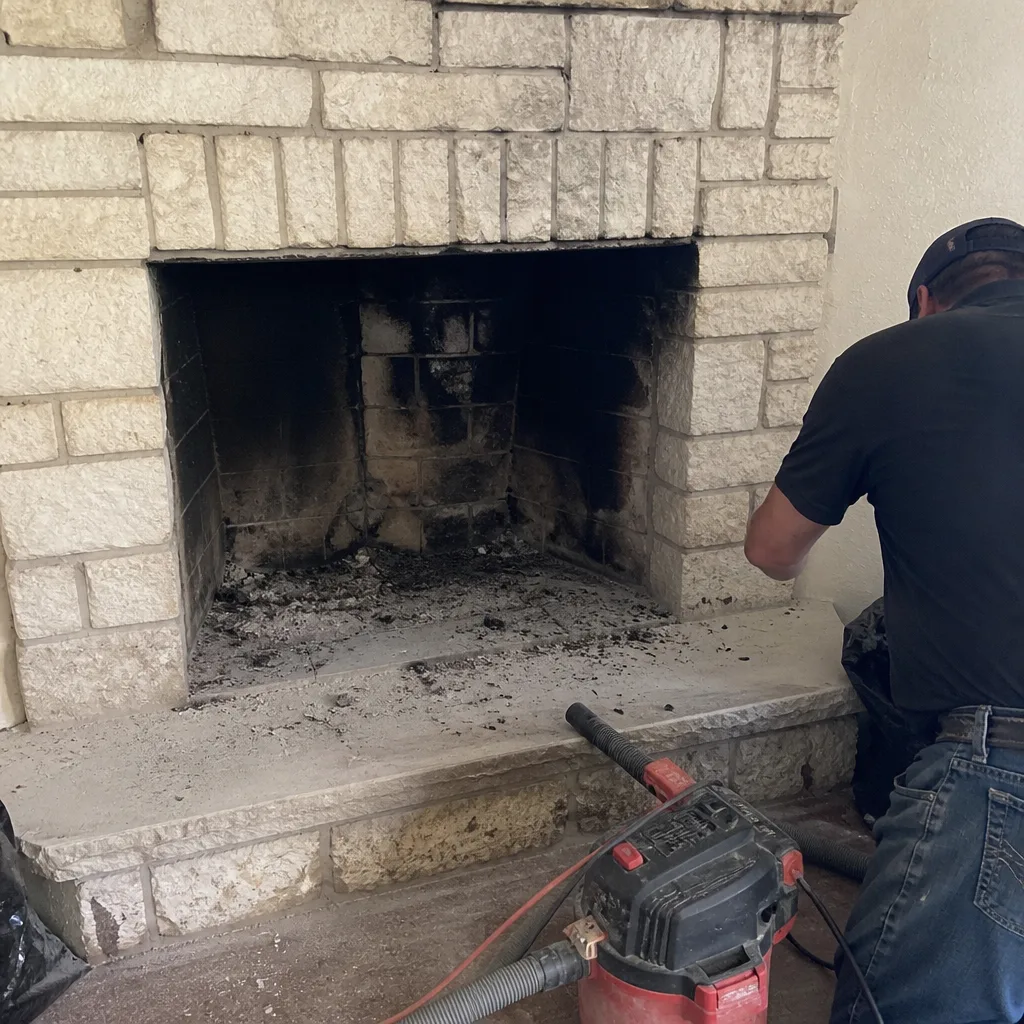 Before
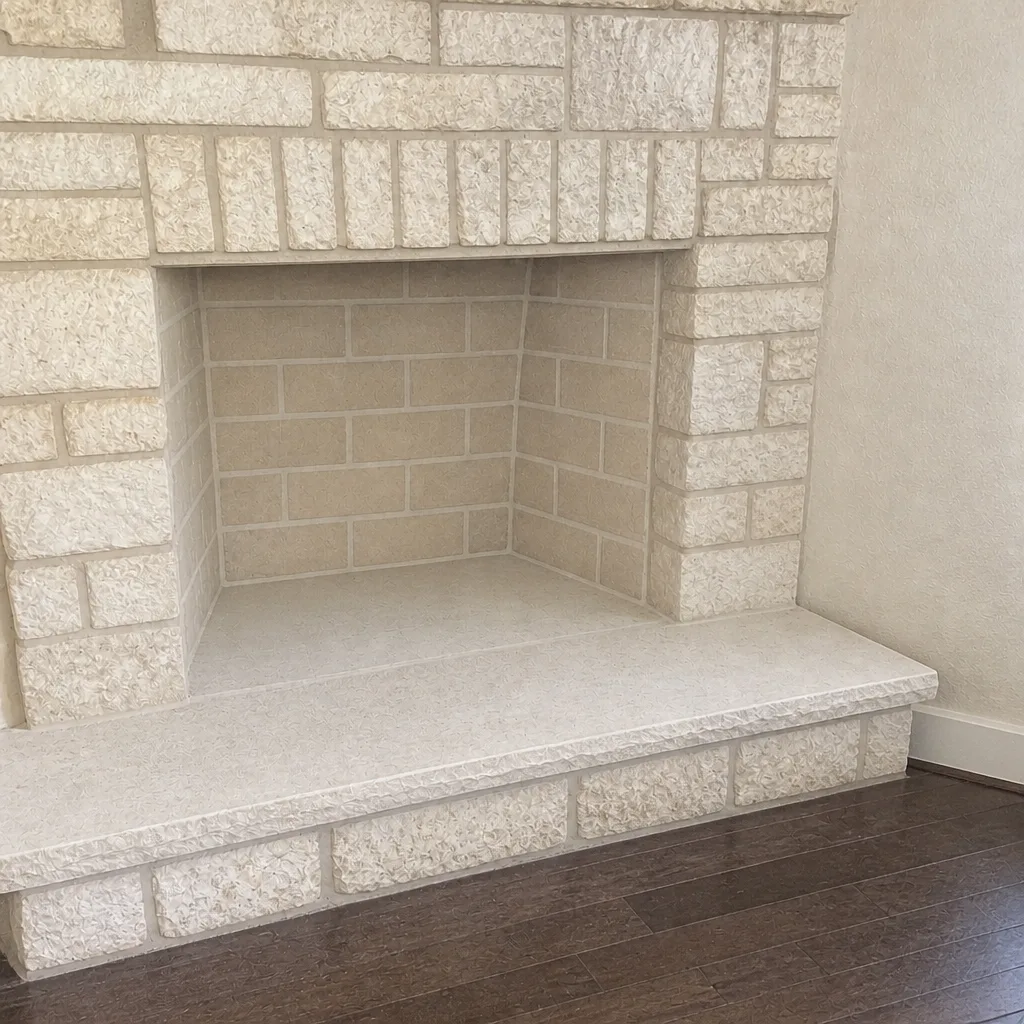 After
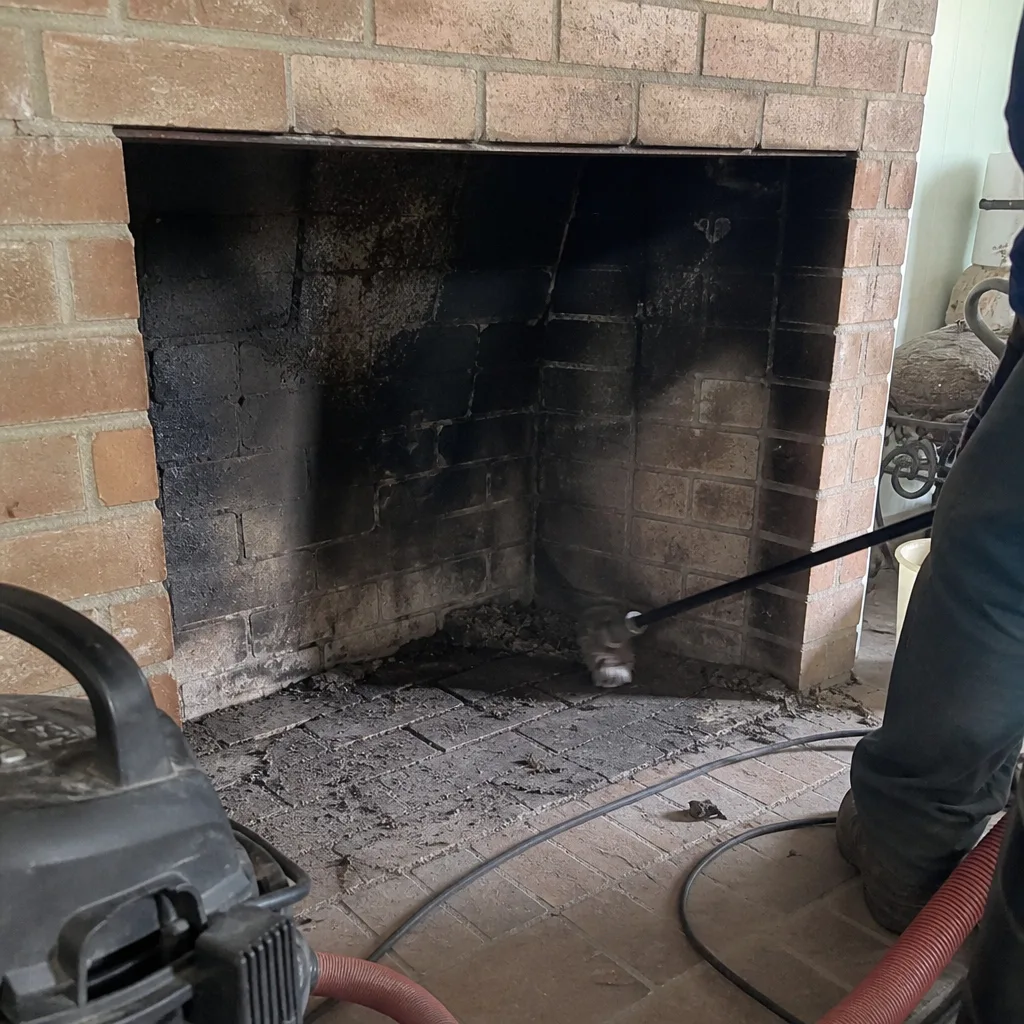 Before
 After
 Before
 After